Silicon Valley
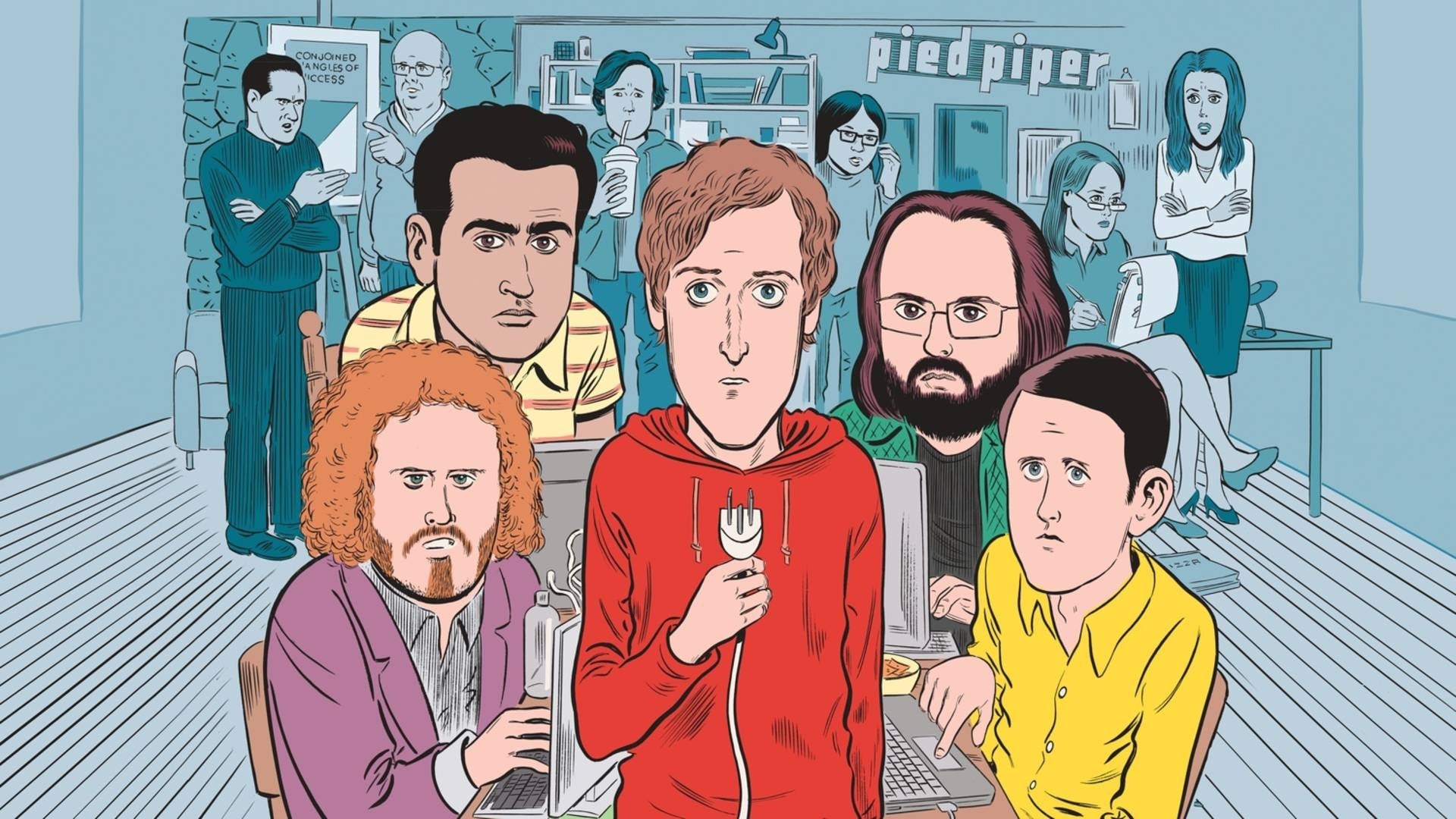
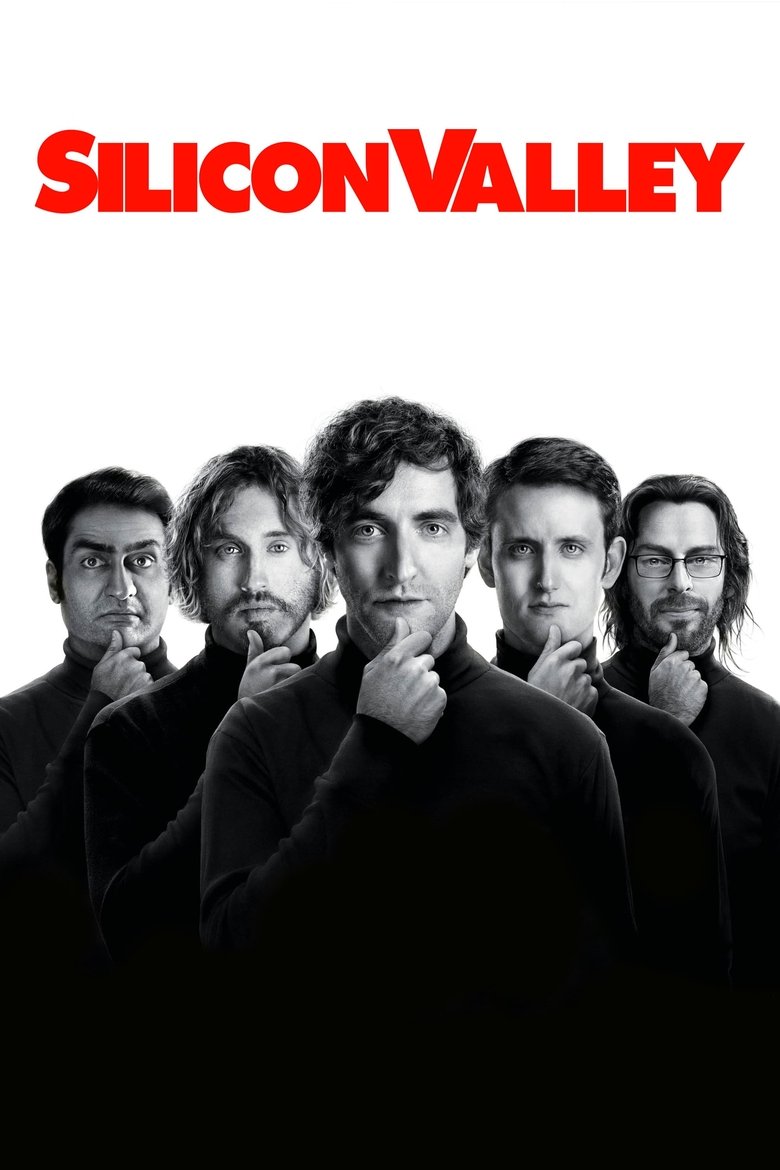
In the high-tech gold rush of modern Silicon Valley, the people most qualified to succeed are the least capable of handling success. Partially inspired by Mike Judge’s own experiences as a Silicon Valley engineer in the late ‘80s, Silicon Valley is an American sitcom that centers around six programmers who are living together and trying to make it big in the Silicon Valley.

Dean@Ditendra
Silicon Valley is an absolute masterpiece of modern television and arguably the sharpest satire ever written about tech culture. From the opening scene to the final credits, the series operates at a level of comedic and narrative brilliance that very few shows ever achieve, managing to be fiercely intelligent while remaining completely hilarious.
What makes the show so incredible is its viciously accurate portrayal of the tech industry. It perfectly captures the specific brand of hubris, corporate doublespeak, and "making the world a better place" hypocrisy that defines modern tech hubs. The writing is incredibly dense and fast-paced, packed with high-concept tech jargon that actually makes sense, paired with some of the best-crafted situational comedy on television. The stakes always feel real, and the narrative engine never stops moving, constantly throwing the characters into absurd, high-pressure crises that force them to scramble, pivot, and self-sabotage in spectacular fashion.
The cast chemistry is legendary. The dynamic between the awkward, idealistic Richard Hendricks and the brilliantly unhinged Erlich Bachman sets a flawless foundation. Combined with the deadpan nihilism of Gilfoyle, the anxious neuroticism of Dinesh, and the pure, unadulterated tragedy of Jared Dunn, every single scene feels like a masterclass in ensemble acting. Even the corporate antagonists, like Gavin Belson and Peter Gregory, are written with incredible depth, standing as pitch-perfect caricatures of eccentric billionaires.
You cannot talk about the brilliance of the show without focusing on Bertram Gilfoyle, the avowed Satanist and network security engineer whose deadpan nihilism anchors the entire office dynamic. He brings a completely unique, dark energy to the comedy that contrasts perfectly with the panicked chaos around him.
His LaVeyan Satanism isn't just a quirky character trait thrown in for cheap laughs; it is the absolute foundation of his philosophy, his work ethic, and his approach to technology. Gilfoyle treats network architecture with a dark, almost religious reverence. His "satanic code" is a masterpiece of digital fortification—built on absolute self-reliance, cold rationality, and a complete disdain for human error. To him, keeping a server running or writing a flawless security protocol is an act of pure, individualistic pride, which aligns perfectly with his beliefs.
The show hits absolute comedic peaks whenever his worldview directly bleeds into his tech. Whether he is building custom server rigs named after demonic entities like "Anton," or configuring systems to play deafening, brutal metal riffs the exact second the Bitcoin price drops below a specific threshold, his setups are as brilliant as they are unhinged. His stoic, unblinking dedication to his craft—and his endless psychological warfare with Dinesh—transforms what could have been a simple IT archetype into one of the most compelling, legendary characters in television history.
It is a rare show that can maintain its momentum over six seasons while consistently delivering top-tier humor and genuinely compelling drama. It is a flawless, cynical, yet strangely affectionate look at the tech world, and it remains a gold standard for comedy series.