September 20, 2025
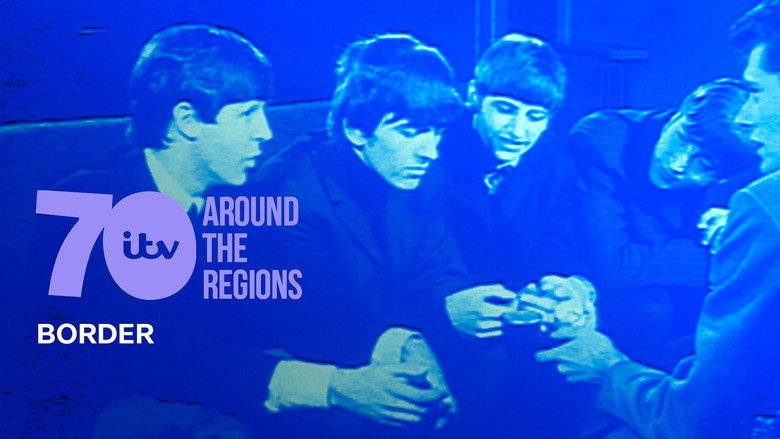
In 1963, as Beatlemania swept the country, Border Television cameras capture the excitement ahead of the Fab Four’s appearance at the ABC Cinema in Carlisle, where fans went to incredible lengths to secure tickets.
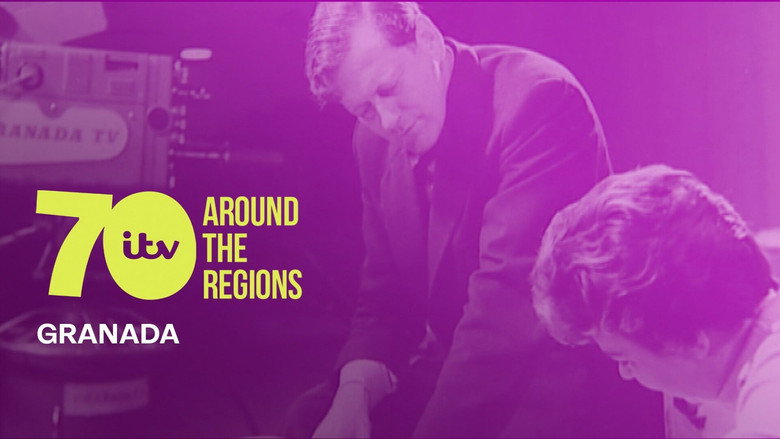
Granada was built on wasteland in Quay Street by two brothers with a big vision. It launched within months and its first programme starred comedian Arthur Askey. This pioneering brand found many future national treasures.
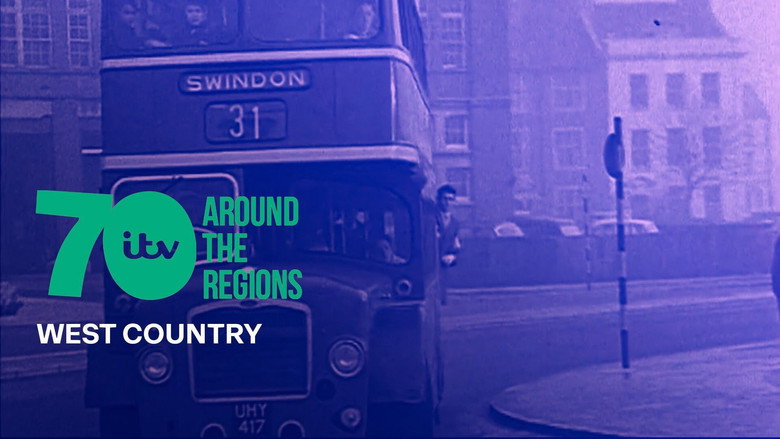
The Bristol bus boycott began after Guy Bailey was denied an interview at the Bristol Omnibus Company because of his race. It pressured the company into ending its discriminatory policy and resulted in the country's first race discrimination law.
On 11 July 1962, a satellite known as Arthur at Goonhilly earth station in Cornwall received the first live transatlantic television images from America. The event was a major milestone marking the birth of a revolution in global telecommunications.
It was a Tuesday teatime in October 1959 when Anglia Television was born, giving viewers in the East a choice in their regional news for the first time. Its symbol - the Anglia knight astride his horse - is still fondly remembered today.
A new viewer-friendly presenting style - the first 10 years of news in the Midlands. Launching with the country’s first female regional newsreader Patricia Cox, during a time when you could buy a mini for £500 and the new Birmingham Bull Ring opened.
The notion of selling advertising to run a television station was a new and untested concept, and one that wasn't welcomed by everyone. But the legacy of commercial television in Wales was born in Pontcanna in Cardiff in 1958.
ITV started as a network of regionally based programme companies and most of the programmes they made over the years are stored in a building in Leeds, which is the former home of Yorkshire Television.
When ITV started broadcasting some institutions were not convinced it was what the country needed. Fans in the South of England though didn't agree and in homes across the UK, people were tuning into shows like Sunday Night at the London Palladium.
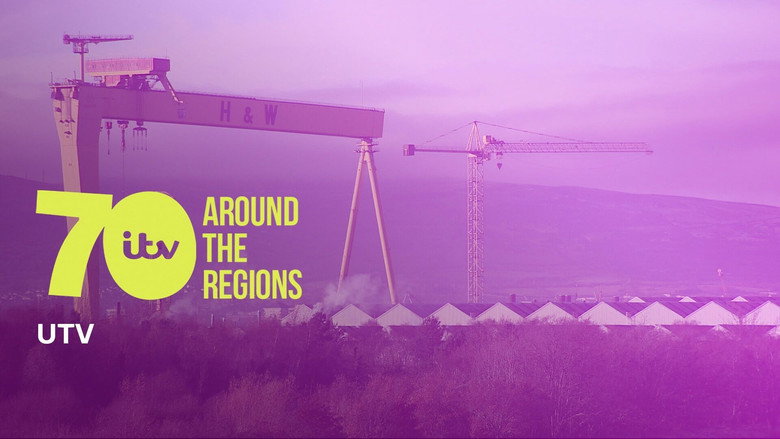
We take a dive into the archive to explore Belfast's burgeoning shipyards in the swinging '60s and the birth of ITV 70 years ago.
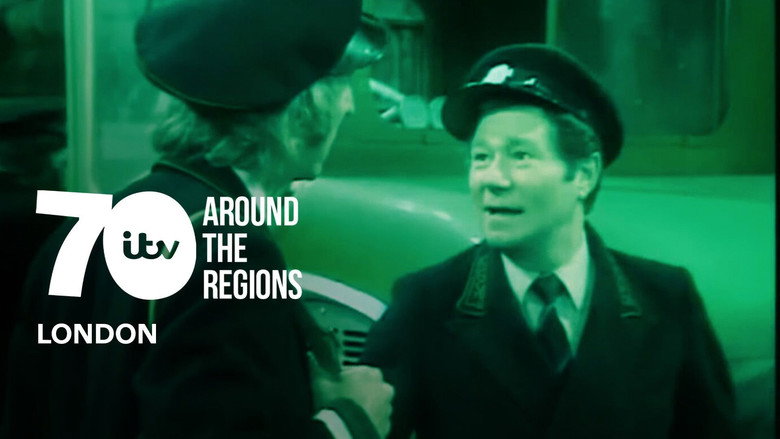
From Upstairs Downstairs to Ant & Dec's Saturday Night Takeaway, ITV produced dozens of big shows on London's South Bank. Some of the stars shared their memories as the iconic building was demolished for redevelopment.
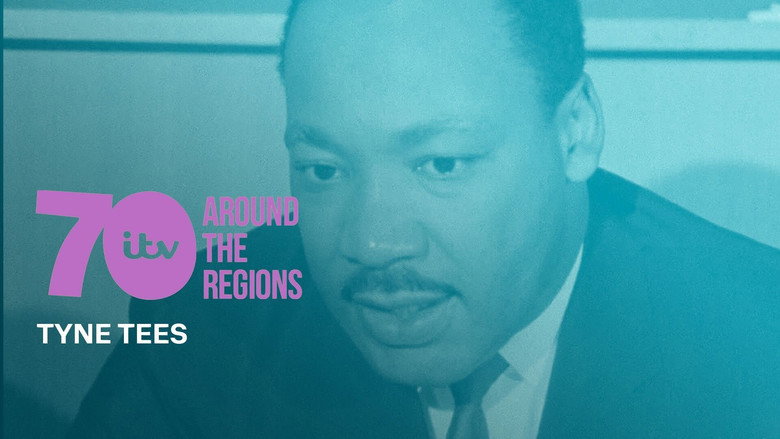
With the start of Tyne Tees, North East people could hear their accents on TV for the first time. The station also broke new ground, employing the first black British TV reporter and first female weather presenter on ITV.
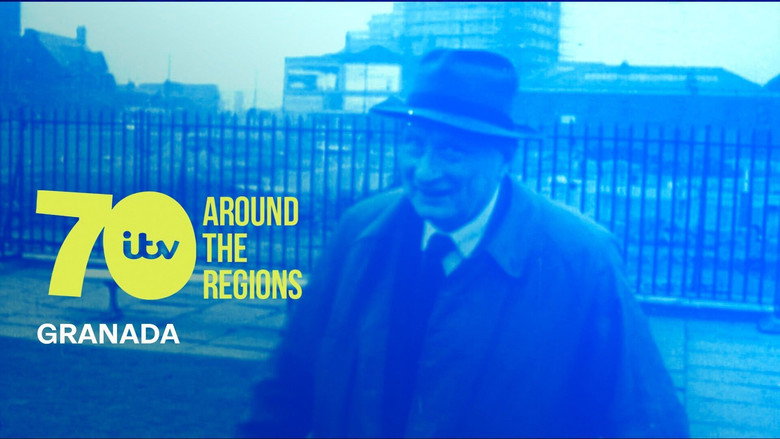
In 1966, Granada Television spent time with LS Lowry at his home and on a trip to London to sell paintings, giving viewers an insight into the man behind his matchstick paintings and hearing in his own words his view on life and work.
Channel Television launched in 1962 with a promise to bring Islanders the most important people and cover the most important events. The very first programme was Robin Hood. We hear from those who remember the early days.
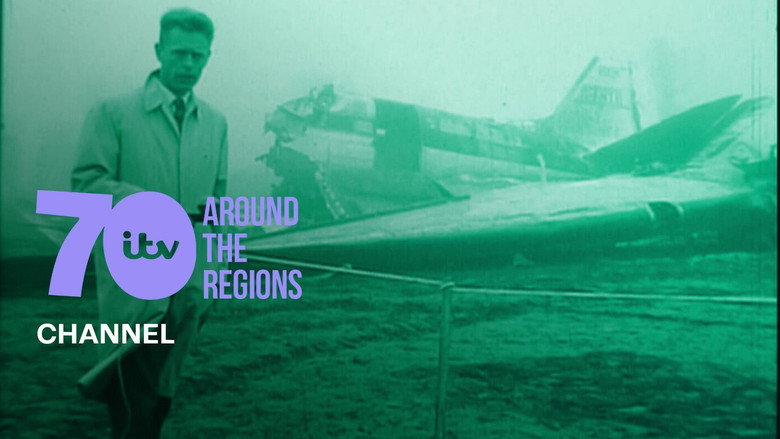
Soon after Channel TV went on air in the 1960s, the station covered its first major event, a plane crash in Jersey in 1965. We look back at the tragedy and the eye witness accounts.
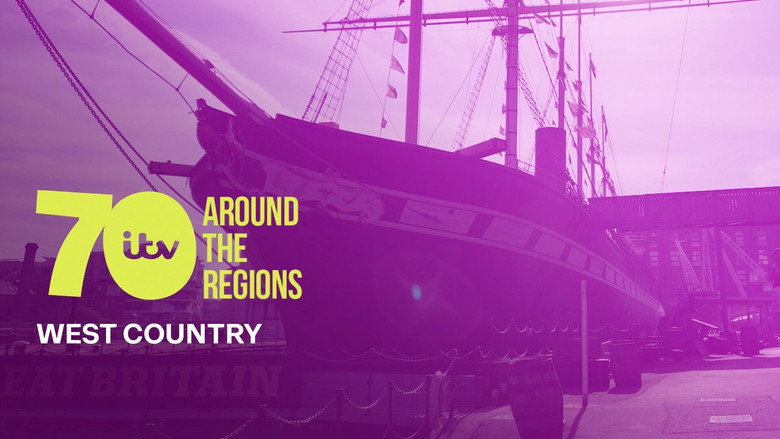
On 19 July 1970 the SS Great Britain returned to Bristol to be restored at the Great Western Dockyard where she was originally built. The 8,000 mile return voyage was a complex operation. Thousands of people lined the harbour to see the ship return.
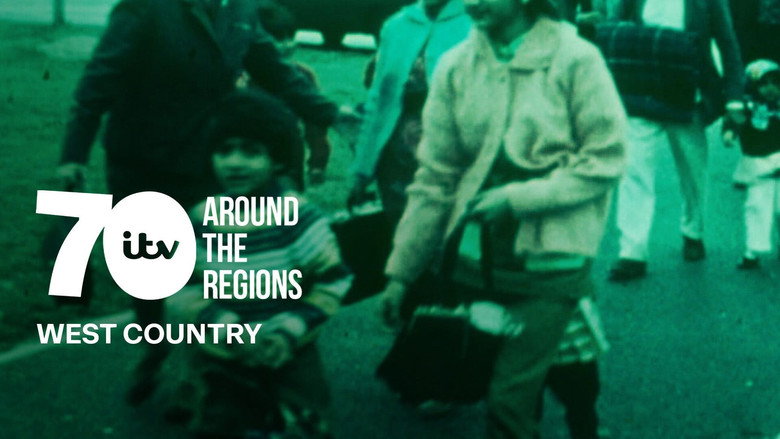
Following Idi Amin's expulsion order in 1972, Ugandan Asians arrived in the UK. Nearly 2,500 people went to Devon, with many being temporarily housed at Heathfield Resettlement Camp. Most relocated to other parts of Britain, but some stayed in Devon.
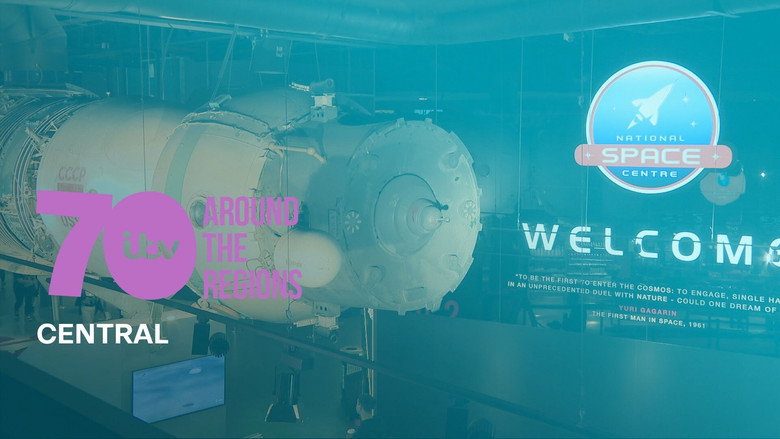
A look back at the headlines on Central News (East Midlands) from 1965 - 74. From Derby County’s Football League Championship win, to the moon landings, to the Theatre Royal Nottingham’s centenary, to the arrival in Leicester of the Ugandan Asians.
A look back at the headlines on Central News (West Midlands) from 1965-74. From the man born without arms who spent his life advocating for people with disabilities, to the building of Spaghetti junction, to the unpopular introduction of the new 50p.
In its first full decade, Anglia's news programme expanded from twice-weekly to every weeknight, while there were notable debuts for long-running programmes including the soap opera Weaver's Green and nature show Survival.
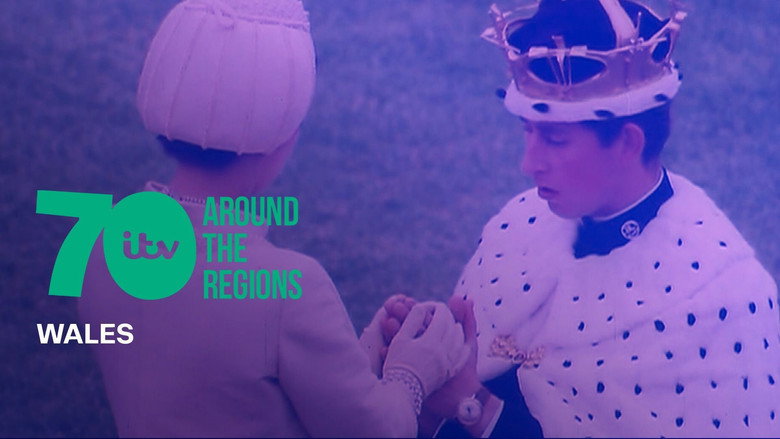
One event that was broadcast all over the world was the Investiture of Prince Charles. With television still a relatively new arrival it was the first time that many people could watch a major royal celebration from the comfort of their own homes.
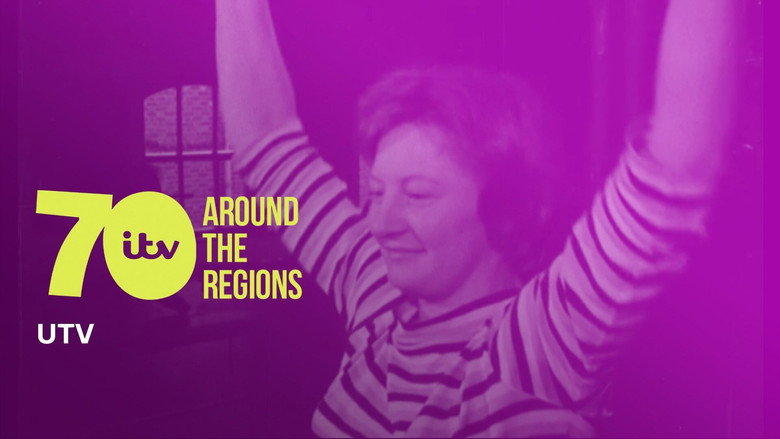
One lady provides the gold standard in Northern Ireland. Lady Mary Peters has enjoyed legendary status since she won gold in the Munich Olympics in 1972. We spoke to her as she looked back.
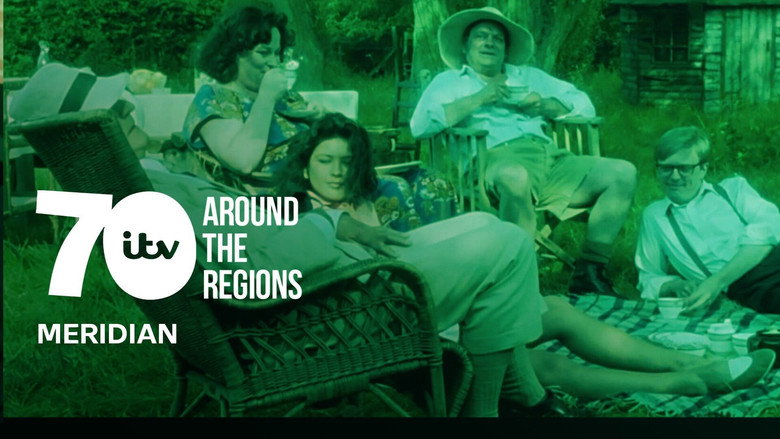
Producing great drama has always been at the heart of ITV and some of our most memorable programmes have been filmed at locations across the South East of England. ITV Meridian has been looking back at some of them.
Producing great drama has always been at the heart of ITV and some of our most memorable programmes have been filmed at locations across the South of England. ITV Meridian has been looking back at some of them.
From Sale of the Century to Tales of the Unexpected, the range of programmes produced in Norwich expanded hugely through the 1970s, while a host of well-known faces made their screen debuts - and for the first time, viewers could watch in colour.
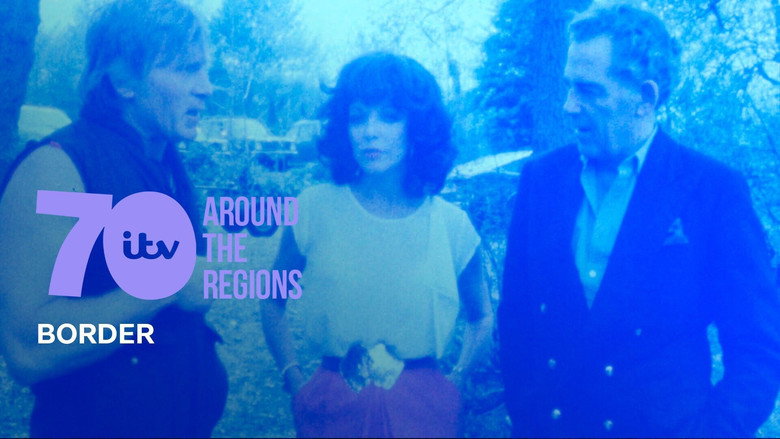
Hollywood royalty Joan Collins was at the height of her fame in 1982 when Border TV caught up with her filming The Pike in the Lake District. It was supposed to be the UK's Jaws, so what went wrong?
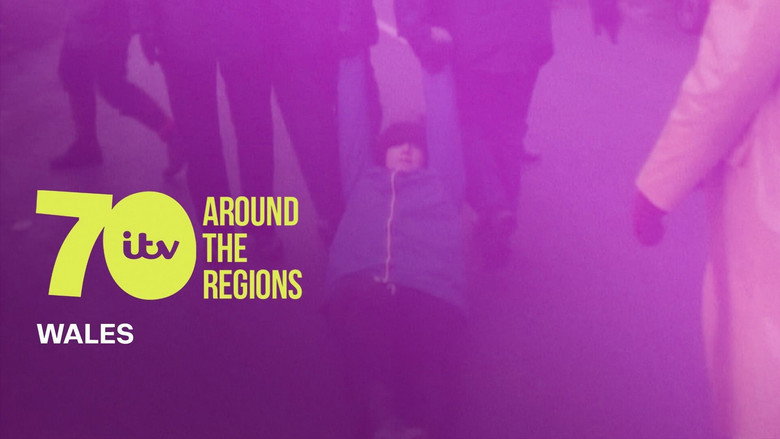
In 1981, Welsh peace campaigners set off from Cardiff on an 120 mile march to protest against nuclear weapons being based on British soil. From small beginnings, the women's peace camp they set up at Greenham Common became known around the world.
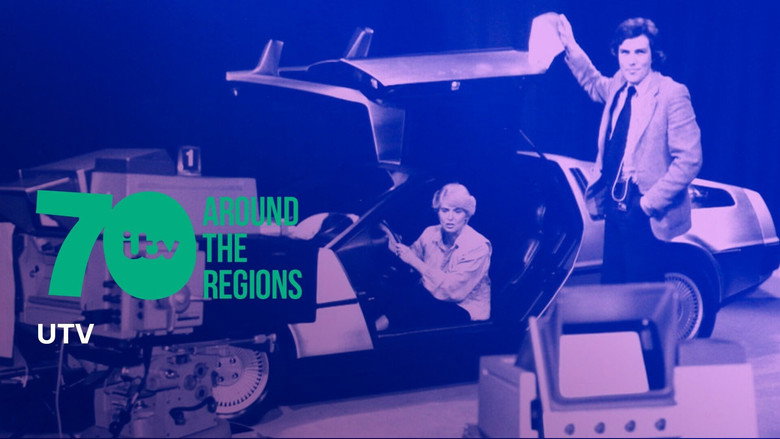
Get into gear with the rise and fall of the Delorean - a car which was made in Northern Ireland but became a global icon thanks to it featuring in the blockbuster film Back to the Future in the '80s.
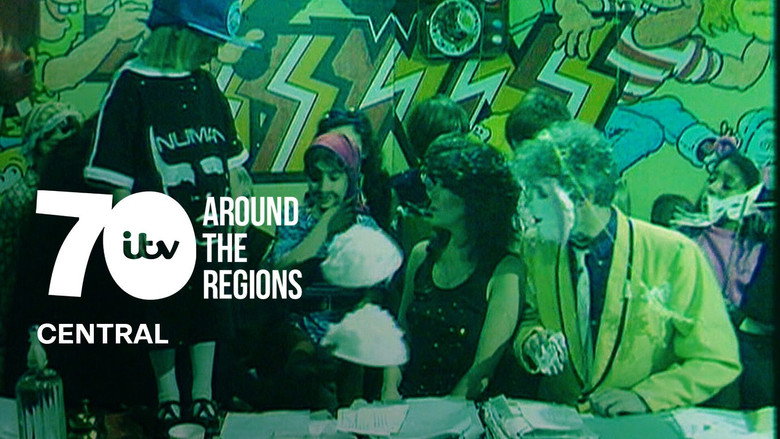
From the birth of Tiswas, to covering Handsworth riots to the prospective father who wouldn't let anything stop him from watching Aston Villa win the European Cup - Central News cameras captured an era of contrasts, from the mid '70s to mid '80s.
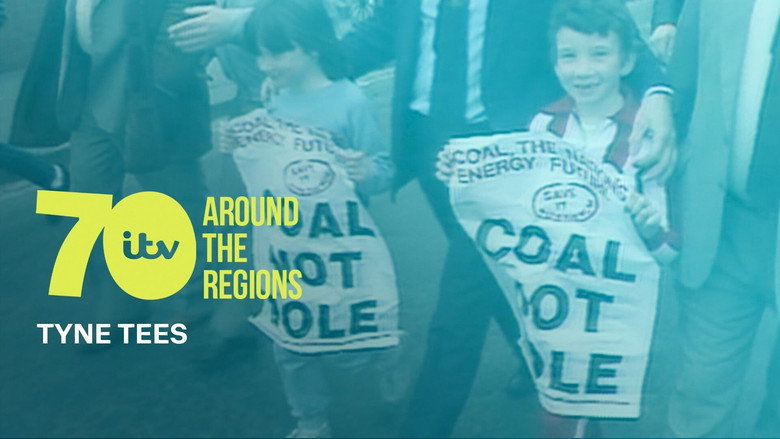
A defining news story of the 1980s saw nearly 23,000 coal miners in the North East walk out on strike in what became one of the biggest industrial actions in British history. Forty years on, Tyne Tees reported on the strike and the scars left by it.
Ipswich Town's UEFA Cup victory was one of the biggest stories of the 1980s, the decade which saw the arrival on Anglia TV of BC Bear and Knightmare, the birth of the Sinclair C5 and the arrival of a minor modern miracle - the remote control.
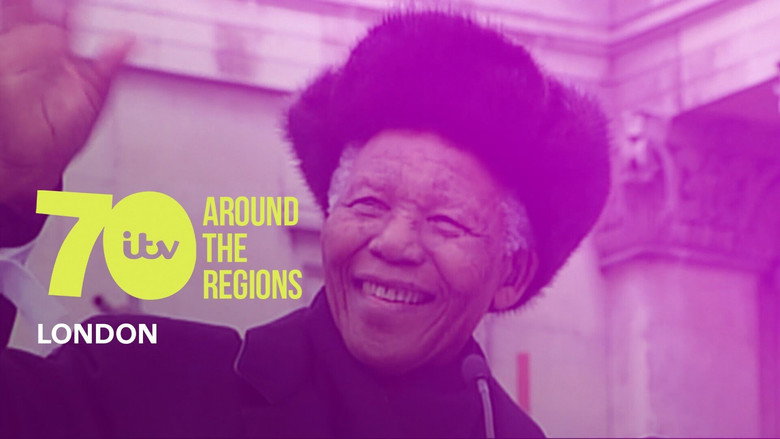
Thousands gathered in Trafalgar Square in 2005 to watch Nelson Mandela's historic speech. The eyes of the world were on London as the Make Poverty History campaign tackled global inequality. Organisers reflect on that big day.
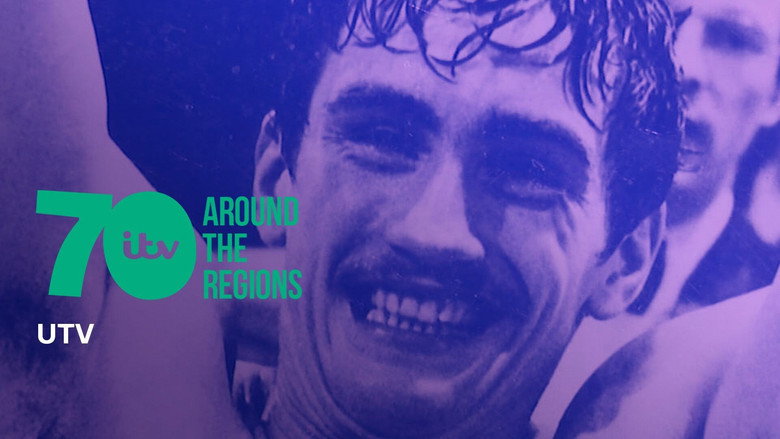
Barry McGuigan conquered the world of boxing - UTV caught up with him to ask him about his career and the moment he won the WBA World Featherweight title defeating Eusebio Pedroza.
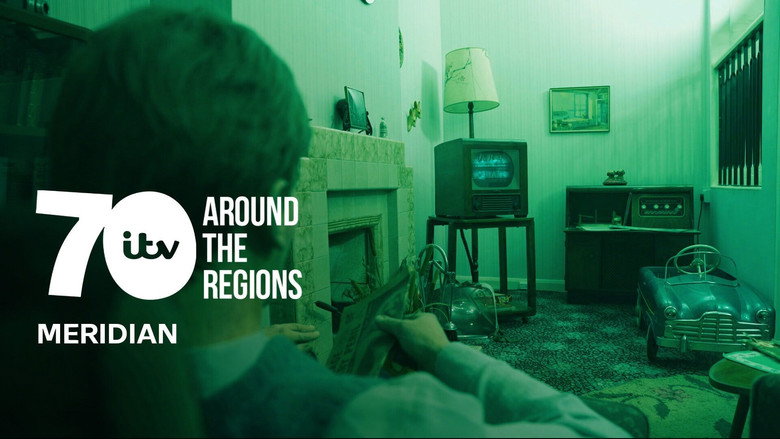
ITV Meridian takes a trip down memory lane to see what life was like for families in the South, when ITV launched in 1955. From new towns to new cars, it was a period change for post war Britain.
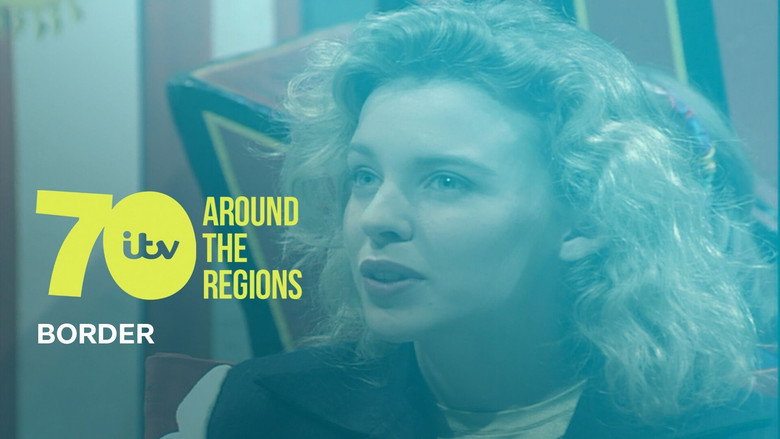
Catch a young Kylie Minogue in this trip down memory lane as we remember the golden age of children's TV at ITV Border. Featuring Stu Francis, Get Fresh and Ghost Train.
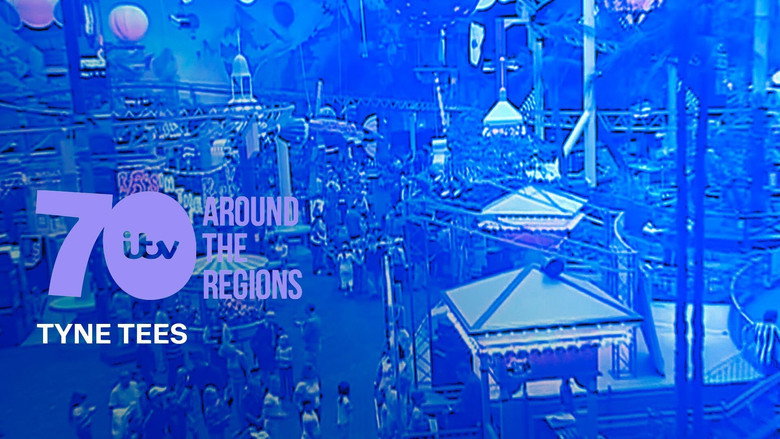
Tyne Tees reported on a plan that saw a power station’s ash dump transformed into Europe’s biggest shopping centre. Sir John Hall’s vision for a US style shopping mall delighted shoppers in the North East and beyond.
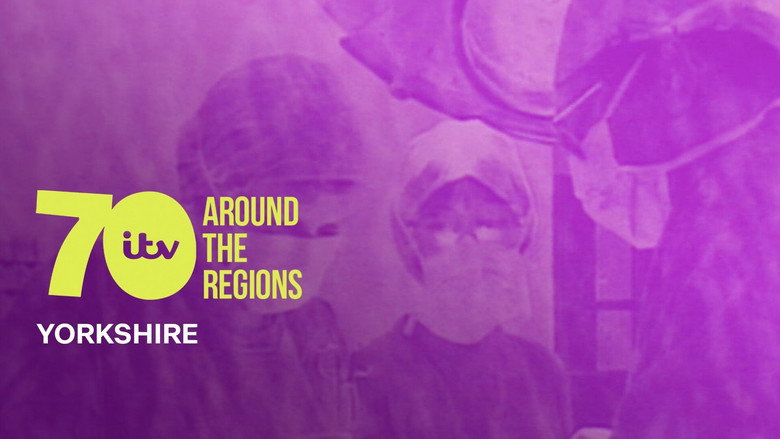
The hospital series 'Jimmy's' was made by Yorkshire Television and ran for a decade from 1987. Ian White meets two of the people who made it happen and revisits one of the hard hitting stories that made it a success.
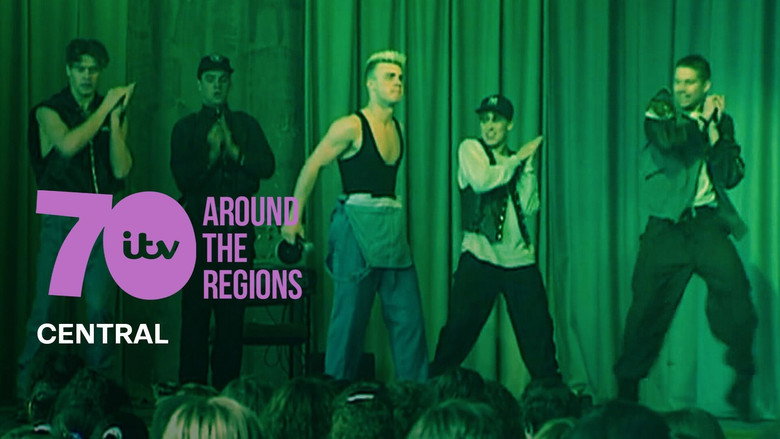
Central reporter Alison Mackenzie reflects on a time when Margaret Thatcher was in power, the miners’ strike came to an end, and a Nottinghamshire school welcomed Take That.
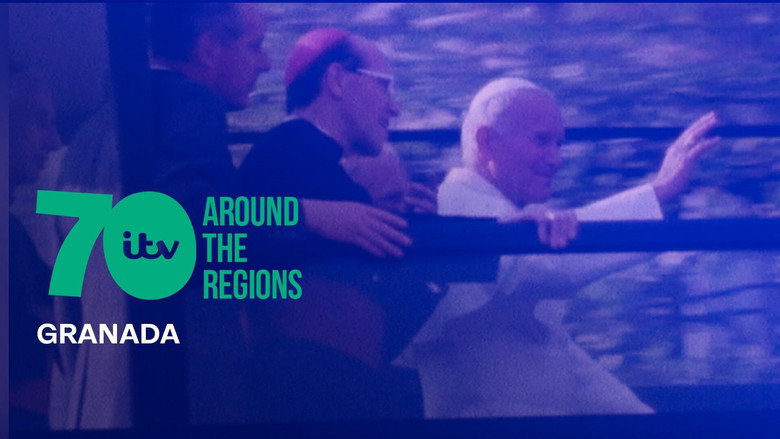
The former Conservative Deputy Prime Minister was key to Liverpool's regeneration following the Toxteth riots in 1981. Michael Heseltine came to the city and met people who showed him a world he had no real experience of - life at its roughest.
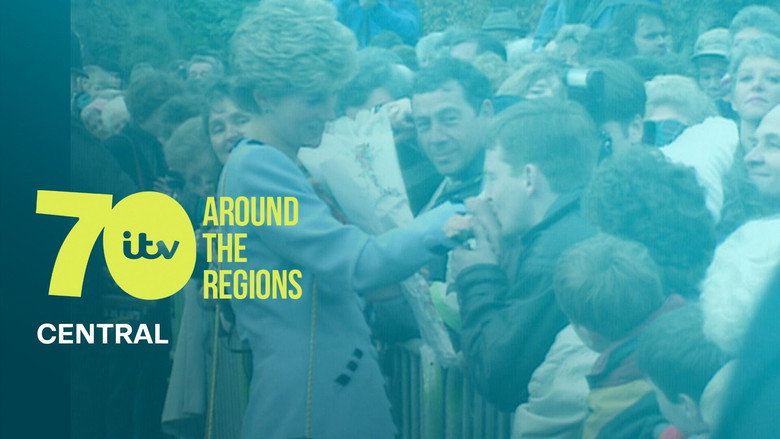
Central cameras reported on some of the happiest and saddest moments in an era that saw the death of Princess Diana, the outbreak of foot and mouth, Nottingham's first tram and the world's first toad crossing.
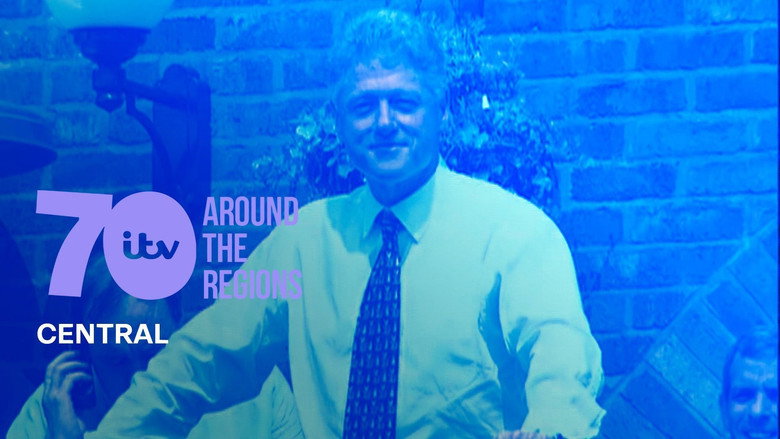
The world's eyes were on Birmingham in 1998 when the city hosted the G8 summit. We speak to those who remember that time and the charisma of the American President Clinton. Plus, we catch up with the special sisters who were born conjoined in 2001.
The Krypton Factor - presented by veteran broadcaster Gordon Burns - ran for nearly 20 years, and regularly attracted 18 million viewers. Known as television’s toughest quiz, it tested contestants' physical stamina and mental attributes.
The move to launch two dedicated programmes for the East and West of the region was designed to make the news feel closer to home, and required the setting up of nine regional news centres. But would they survive the threat of the Millennium Bug?
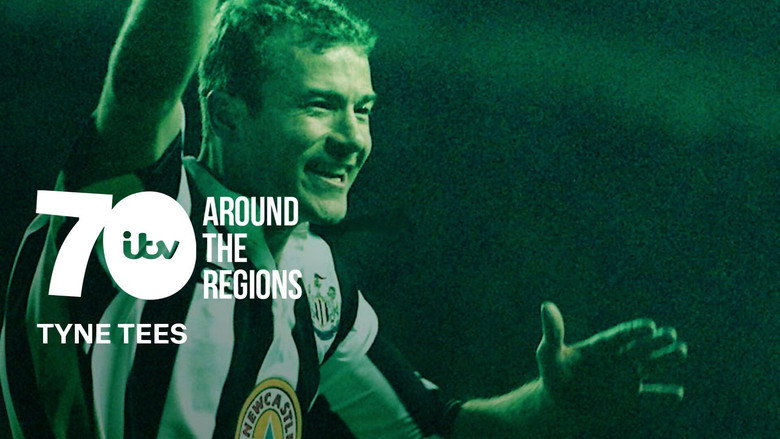
Newcastle was overjoyed when local lad Alan Shearer signed for the city’s beloved football club in 1996 for a then record fee of £15 million. He scored more goals for the club than any other player but that did not bring trophy success for the team.
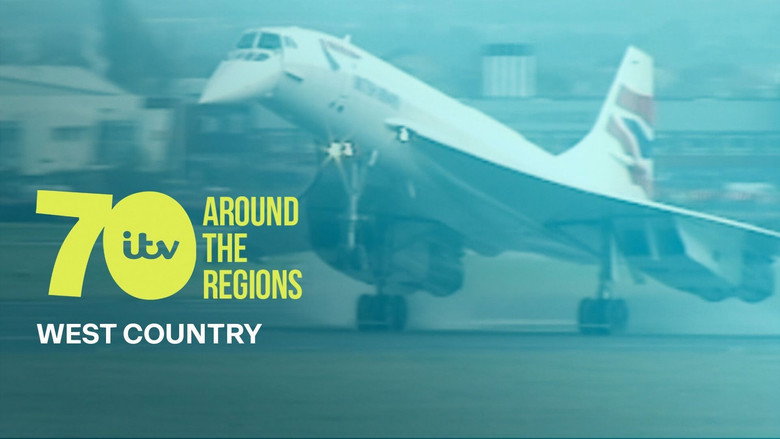
In November 2003, Concorde returned to its birthplace at Filton Airfield near Bristol for the last time. The supersonic jet flew from Heathrow, soaring over the Clifton Suspension Bridge - a moment that brought the city to a standstill.
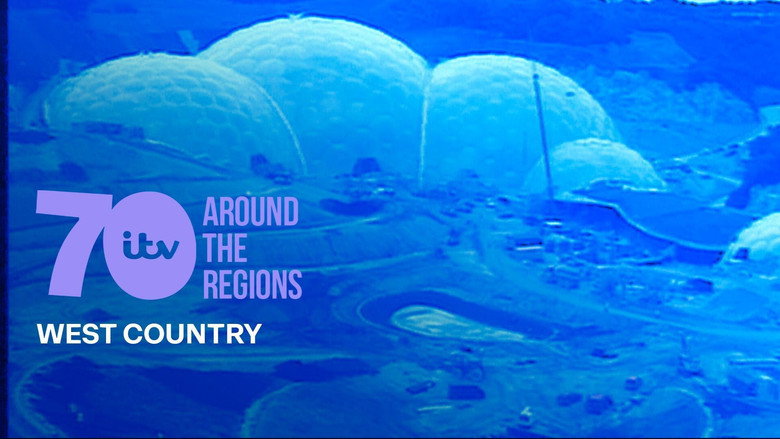
In 2001 the doors of the ambitious Eden Project in Cornwall opened for the first time. The biomes, housing a rainforest and Mediterranean plants, were dubbed the eighth wonder of the world with more than 1.8 million people visiting in the first year.
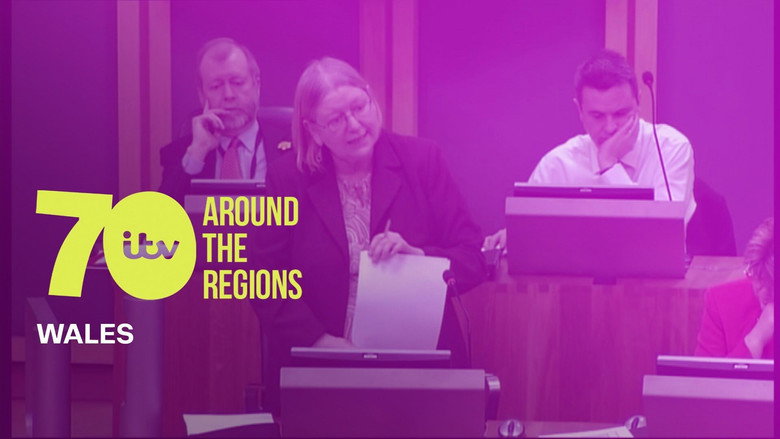
1999 was a hugely significant year for Wales with the opening of the National Assembly for Wales after a pivotal referendum. We hear from one of those politicians who played a part in making history.
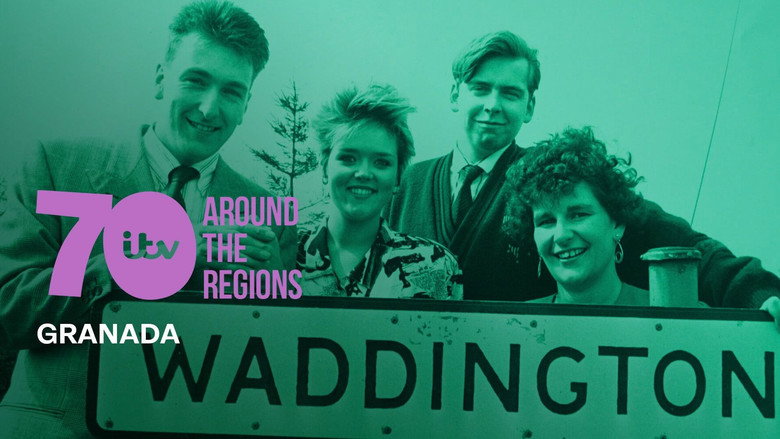
A Lancashire village of just over 1,000 people became one of the pioneers of modern-day satellite TV in an experiment in 1990. Waddington was used by Granada to test out multi-channel viewing and was given its own TV channel with hyper local stories.
Jersey became the set for two hit ITV shows in the '90s and '00s. We look back at the making of the soap series 'Island' in 1996 and the Saturday night game show 'Simply the Best' eight years later.
At the dawn of the new millennium, shows including Trisha, Loose Women and The Wright Stuff meant that more hours of studio-based daytime TV were being made in Norwich than anywhere bar Chicago, New York and Los Angeles.