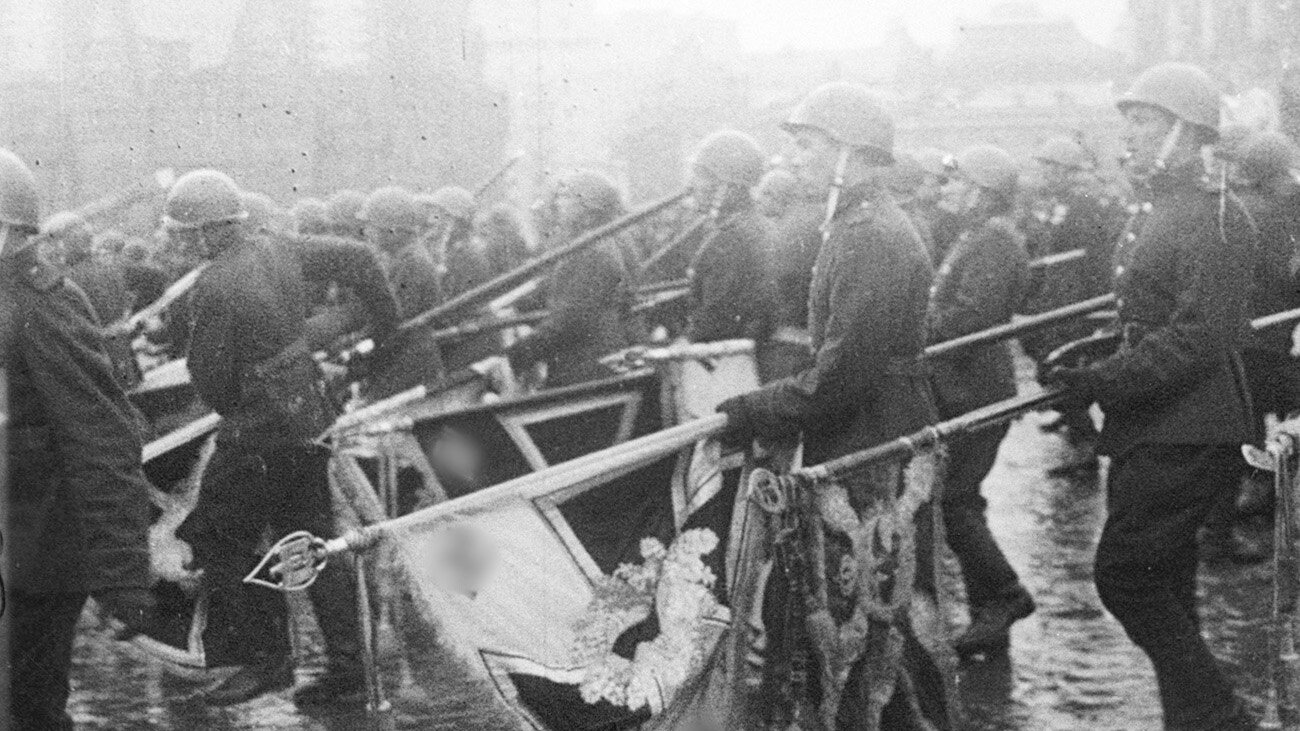

Moscow Strikes Back
A Soviet documentary chronicling the Battle of Moscow (October 1941 – January 1942), when Red Army forces repelled the German advance on the capital. Shot by numerous frontline cameramen, it combines harrowing footage of combat and civilian suffering with scenes of Nazi atrocities, framed against themes of Russian heroism and cultural survival. Originally released under the title Defeat of the German Armies Near Moscow, the English-language version, narrated by Edward G. Robinson, was retitled Moscow Strikes Back. The film won the 1943 Academy Award for Best Documentary. Warning: contains graphic images.

CinemaSerf@Geronimo1967
This isn’t really a documentary so much as a well edited collection of often quite perilously shot archive footage depicting how the Soviet army and it’s citizens prepared to fight back against the Nazis who were heading towards their capital. It’s the middle of winter and the snow is everywhere, so their tasks are made all the more difficult by the freezing conditions, the icy terrain and their own need to wrap up with so many layers of clothing as to make their fighting agility all the more taxing. What is striking about this is the number of horses employed. It’s not just officers with sabres and furry hats, but entire platoons of soldiers use them as the principle mode of transportation whilst their far more mechanised enemy used machines. What soon appears obvious is that their methods prove more resilient as their well armed forces gradually appear to turn the tide. Sure, it’s a propaganda exercise extolling the virtues of Stalin, his comrade generals as well as the stoic and proud population itself, but it isn’t any different from those produced by the UK or the USA to raise and sustain moral, and on that front this is one of the more gruelling films featuring an astonishing selection of imagery.