腊月 (The Twelfth Lunar Month, 2019) arrives as a modest yet culturally significant entry in China's growing catalogue of rural realism cinema. Director Liu Shuwei's semi-documentary examination of the bride price custom (彩礼) in Southwest Shandong doesn't dazzle with technical virtuosity, but it offers an unvarnished window into a social phenomenon that continues to fracture rural families.
The film's greatest strength lies in its anthropological authenticity. Shot with a cast of non-professional actors (led by Han Yubo and Wang Juan) who move through frozen winter landscapes with the unselfconscious rhythm of people who have lived these lives rather than performed them, 腊月 captures the suffocating arithmetic of contemporary rural marriage negotiations. Liu's camera lingers on faces during silences, allowing the weight of financial anxiety to settle between family members. The decision to blur documentary and narrative boundaries proves astute—scenes feel stumbled upon rather than staged, particularly during the tense dinner table discussions where the transactional nature of matrimony hangs heavy in the air.
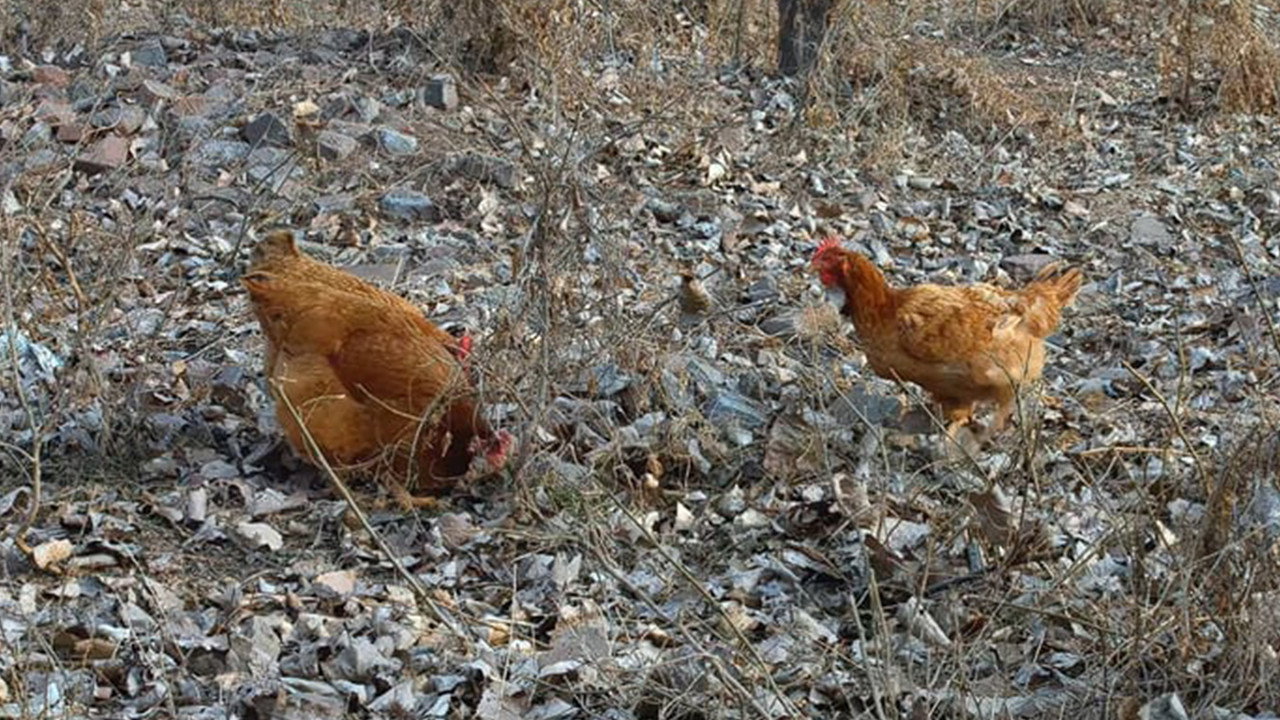
However, the film's low-budget origins and debut-feature unevenness prevent it from achieving the impact its subject deserves. At roughly 80 minutes, 腊月 struggles with pacing; several sequences drift into repetitive circular conversations that dilute rather than deepen our understanding of the characters' desperation. The cinematography, while serviceable, occasionally suffers from harsh lighting and static framing that suggests constraint rather than artistic choice. Some viewers may find the opening sequences disorienting—the film initially presents itself with the aesthetic of a food documentary before pivoting to social drama, a tonal shift that risks losing audiences before the narrative proper begins.
Where 腊月 succeeds magnificently is in its refusal to offer easy moralizing. Liu doesn't condemn the tradition outright, nor does he portray the women seeking financial security through marriage as mere opportunists. Instead, he presents the bride price as a symptom of systemic inequality—limited educational opportunities, urban migration draining villages of young men, and the commodification of female labor. The film quietly argues that when economic mobility is restricted, marriage becomes the only stock market available to rural women, and the price tags reflect brutal survival calculations rather than greed.
The performances, particularly from Wang Juan, carry a raw dignity that elevates the material beyond its technical limitations. In scenes where she negotiates her own worth, there's a heartbreaking pragmatism that speaks to generations of rural Chinese women navigating impossible choices between familial obligation and personal agency.
The Verdict: 腊月 is a vital, if imperfect, document of a transforming China. It earns its 3.5 stars not for cinematic polish—which it lacks—but for its courageous intimacy with a subject most mainstream productions avoid. Like the lunar month it depicts, the film exists in a transitional space between old customs and new realities, capturing a culture mid-metamorphosis with honesty that outweighs its rough edges. For viewers interested in the anthropology of contemporary rural China or the economics of gender, this is essential viewing; for those seeking entertainment, the slow, meditative pace may prove challenging.