Le Filet Américain
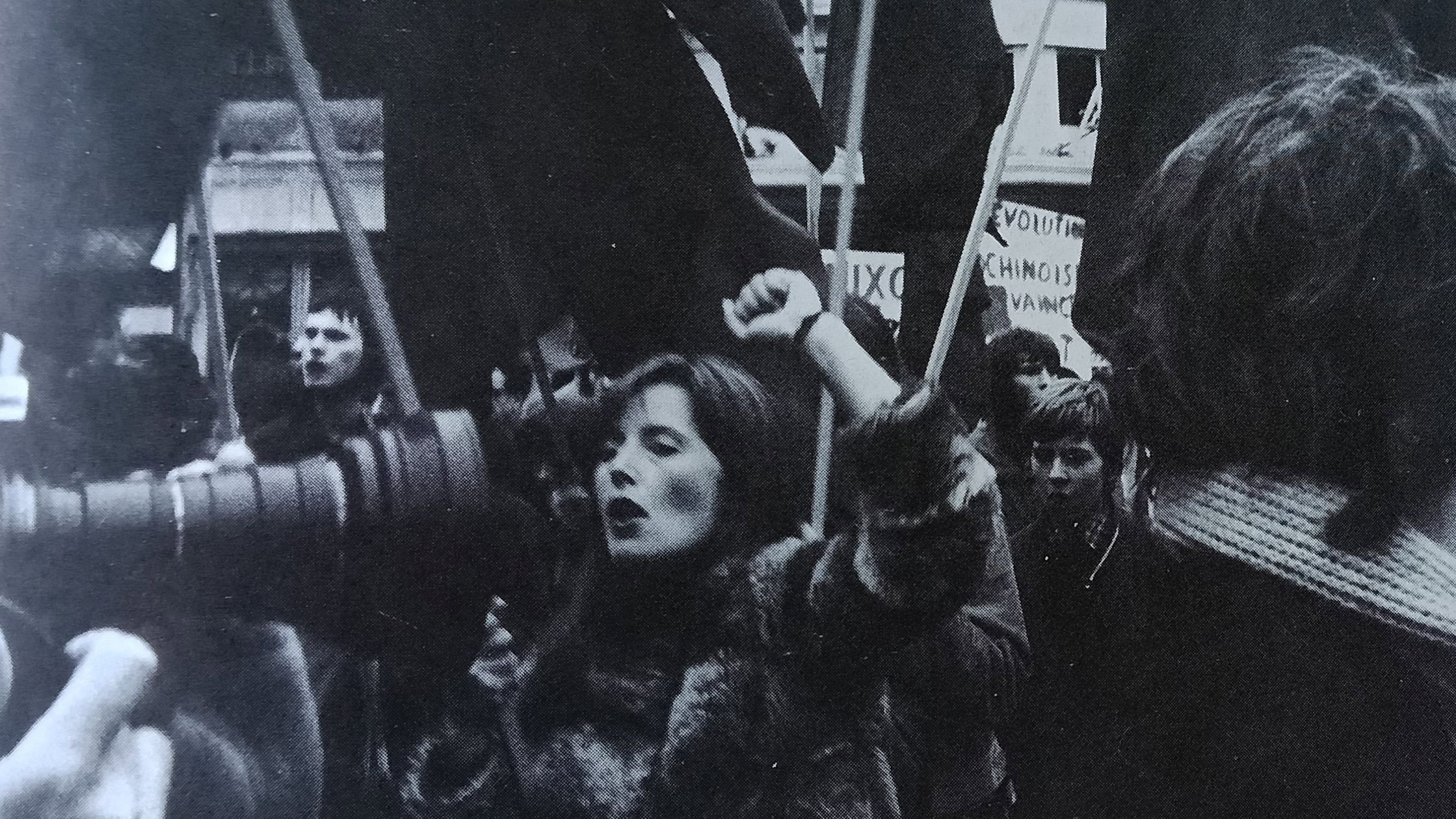
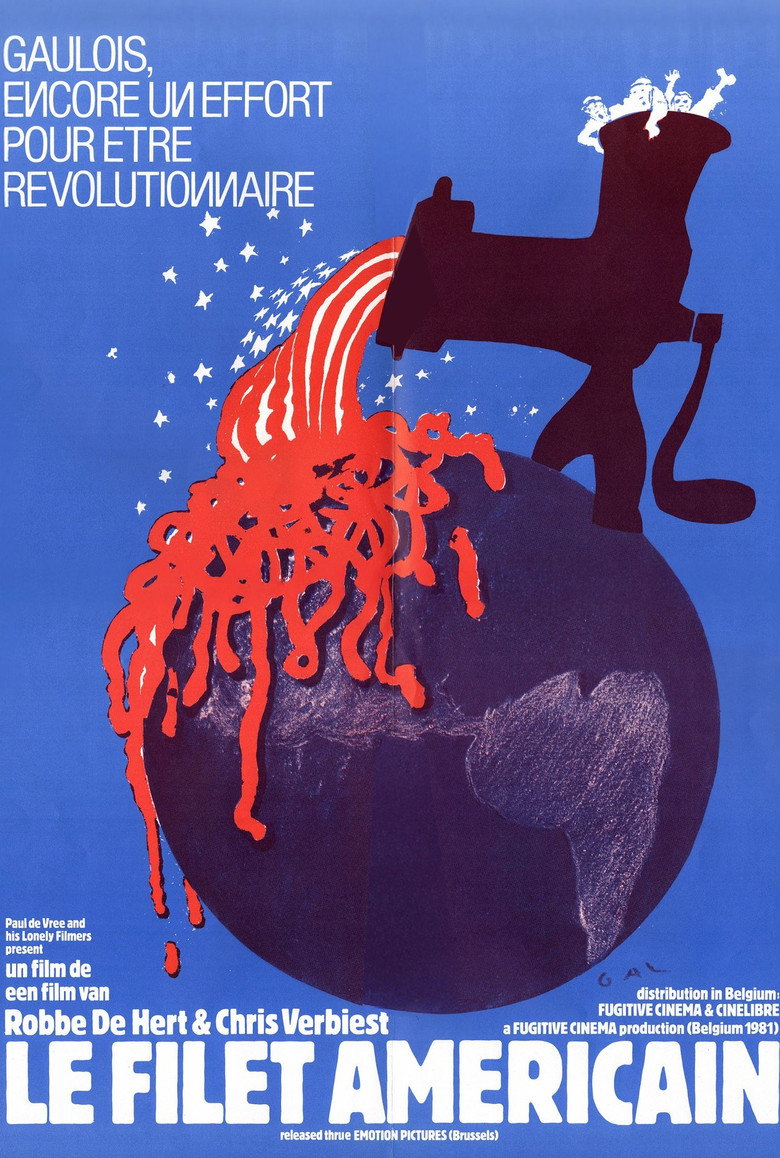
The documentary's legacy lies in its unapologetic fusion of agitprop and satire, a signature style of De Hert’s Fugitive Cinema collective. By juxtaposing Mandel’s economic theories with absurd military parades, the film exposes the contradictions of a society preparing for war while its social fabric decays. De Hert employs rapid montage, pop music, and street-level interviews to strip away the facade of state authority.Decades later, Le Filet Américain remains a vital historical document. It captures a specific era of Belgian polarization, marked by economic crises and the rise of the gendarmerie. The metaphor of the meat grinder endures as a powerful critique of how institutional systems compromise individual dignity for corporate profit.
| Release Date | February 3, 1981 | |
|---|---|---|
| Status | Released | |
| Original Title | Le Filet Américain | |
| Runtime | 1h 27min | |
| Budget | — | |
| Revenue | — | |
| Language | French | |
| Original Language | French | |
| Production Countries | Belgium | |
| Production Companies | Fugitive Cinema, AntwerpenMinistère de la Culture Française de Belgique | |