Left Side, Right Side
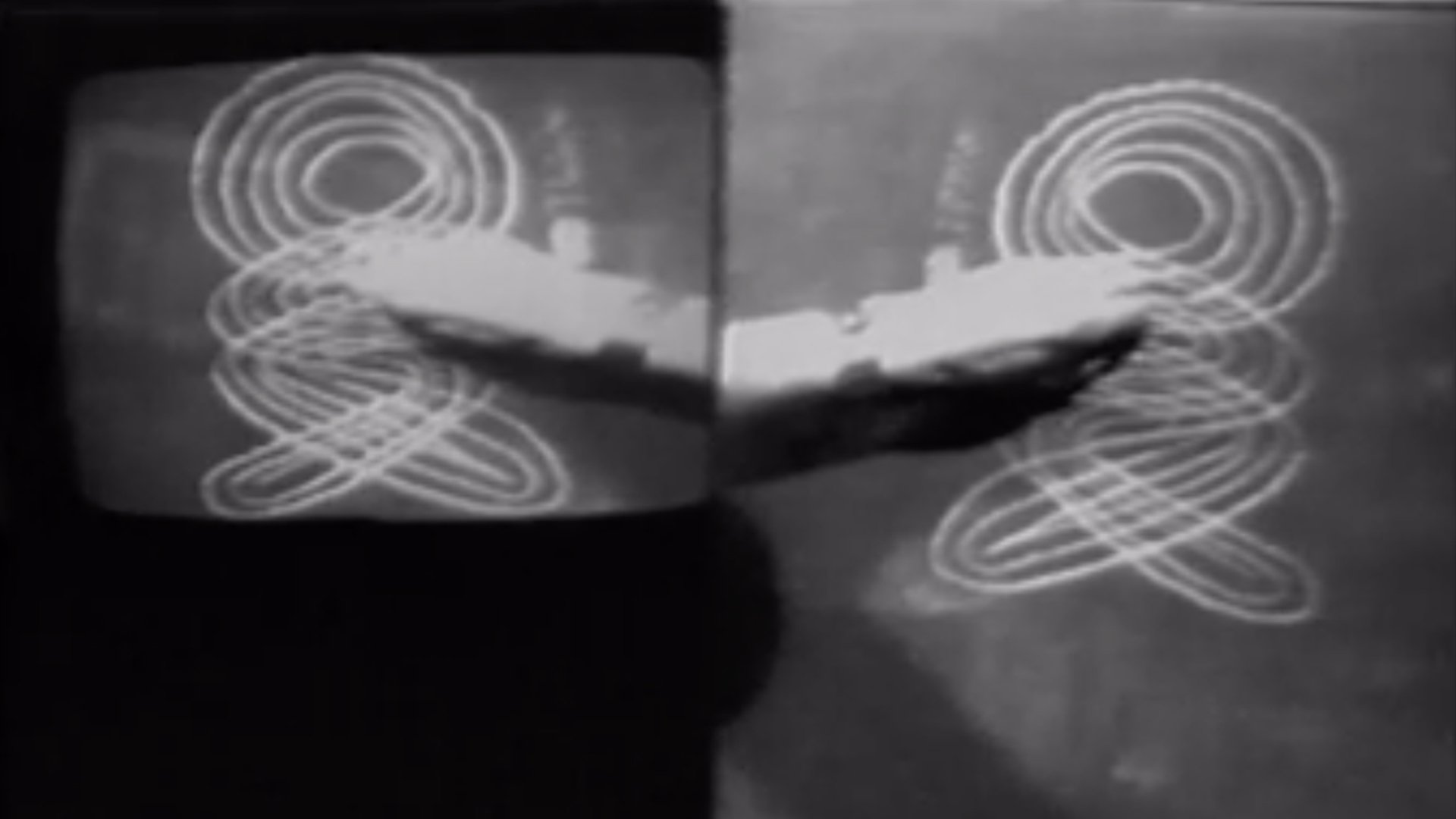
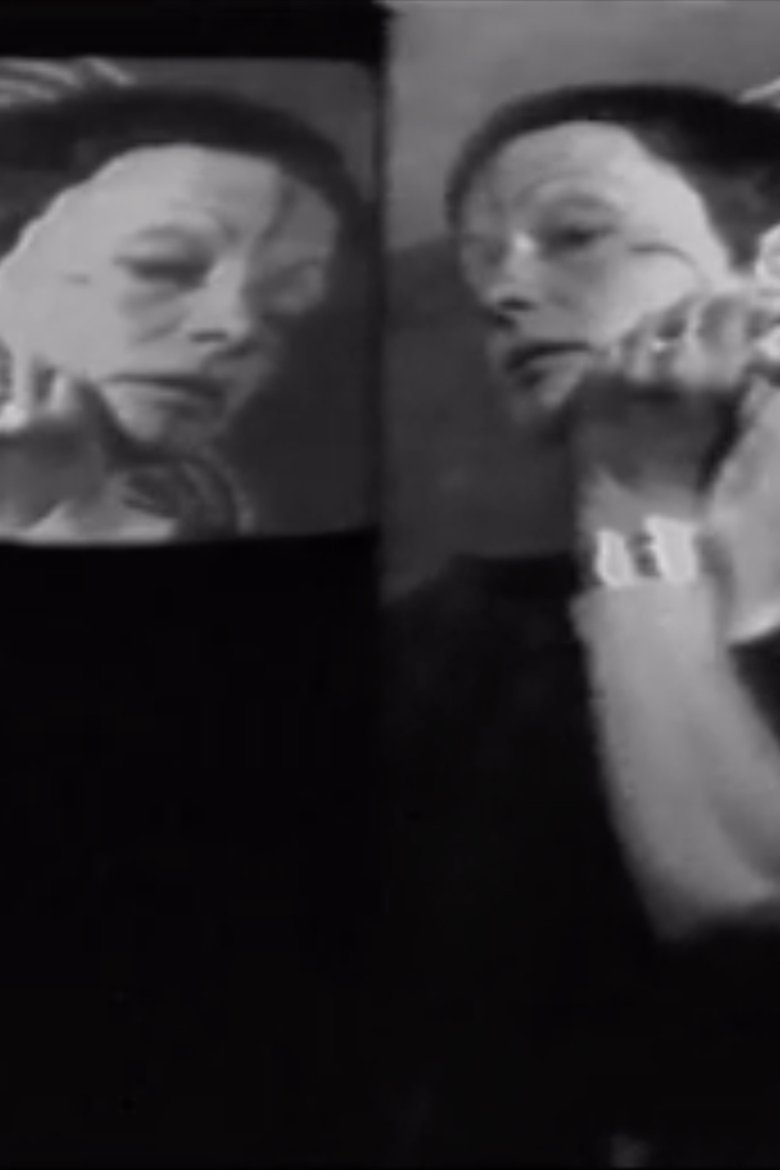
In this early work, Jonas translates her performance strategies to video, applying the inherent properties of the medium to her investigations of the self and the body. Jonas performs in a direct, one-on-one confrontation with the viewer, using the immediacy and intimacy of video as conceptual constructs. Exploring video as both a mirror and a masking device, and using her body as an art object, she undertakes an examination of self and identity, subjectivity and objectivity. Creating a series of inversions, she splits her image, splits the video screen, and splits her identification within the video space, playing with the spatial ambiguity of non-reversed images (video) and reversed images (mirrors). Though Jonas' approach is formalist and reductive, her performance reveals an ironic theatricality. Illustrating the phenomenology of video as a mirror, Left Side Right Side is a classic of early performance-based, conceptual video.
| Release Date | February 2, 1972 | |
|---|---|---|
| Status | Released | |
| Original Title | Left Side, Right Side | |
| Runtime | 9min | |
| Budget | — | |
| Revenue | — | |
| Language | English | |
| Original Language | English | |
| Production Countries | United States of America | |
| Production Companies | ||