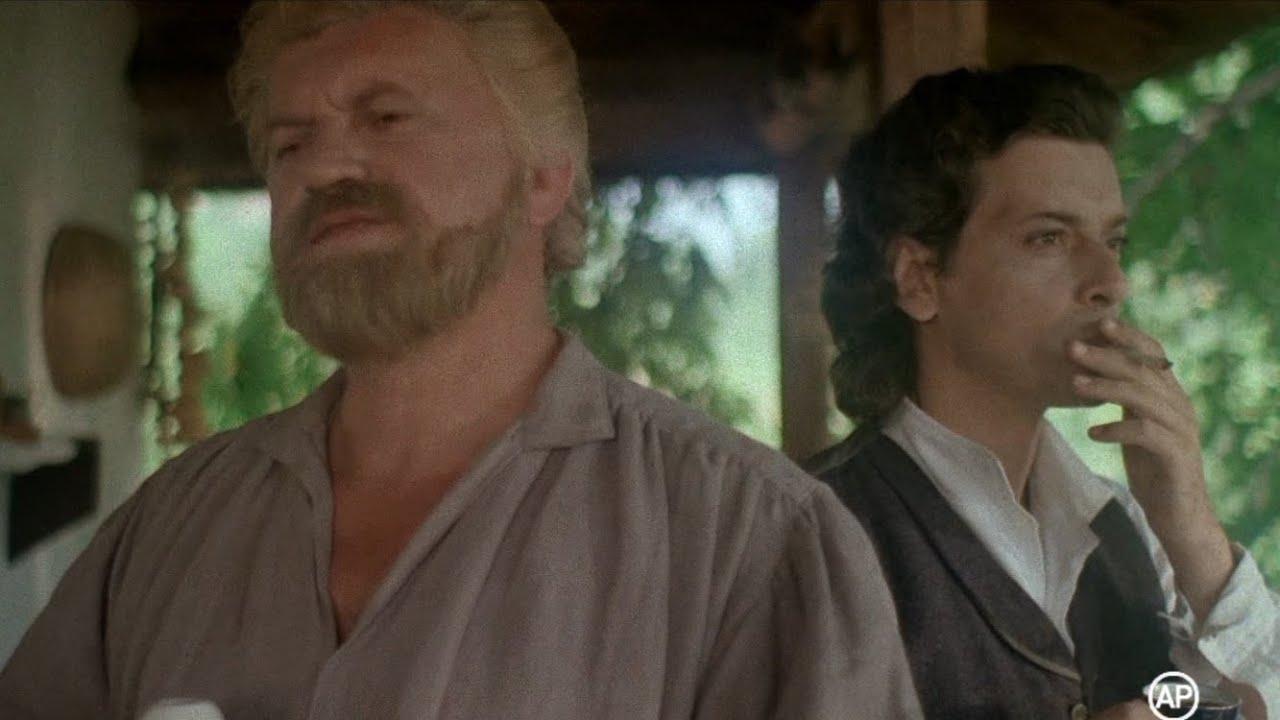
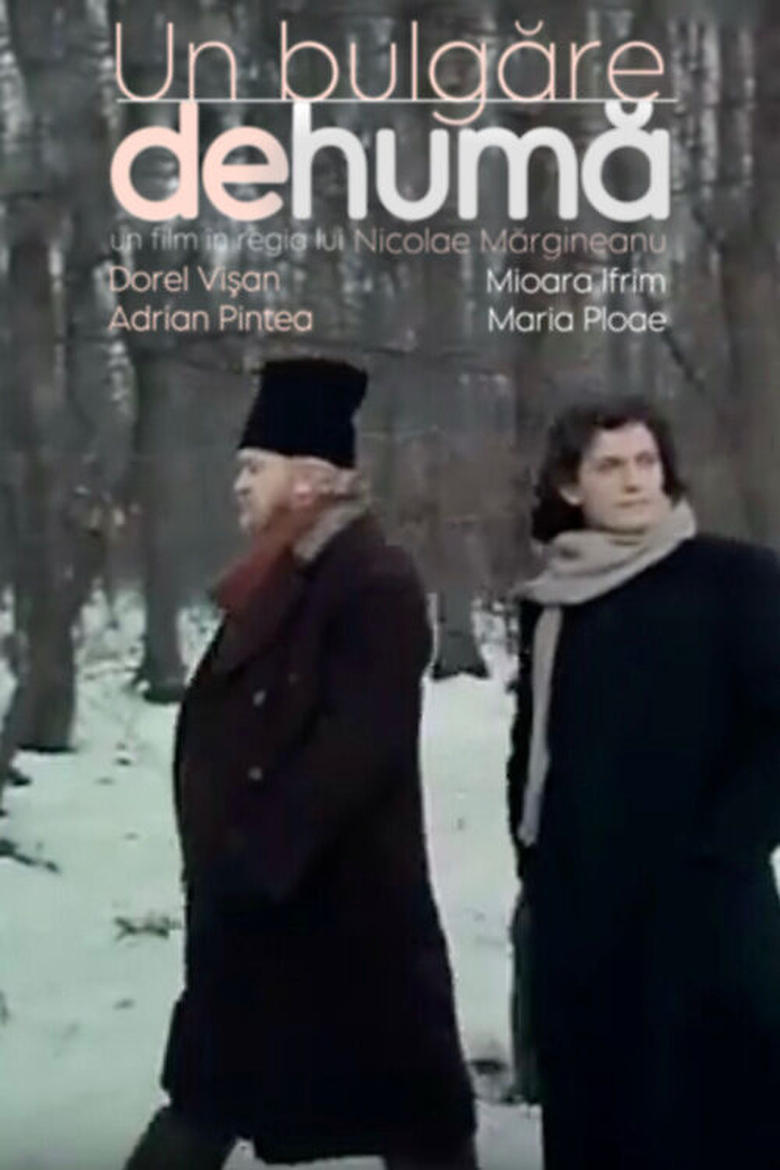
The plot centers on Creangă's initial reluctance to view himself as a serious writer. Depicted as a recently defrocked priest and an unconventional schoolteacher, he shares his folk tales and childhood memories purely for the amusement of those around him, considering them to be simple rustic entertainments without any profound literary value. However, upon meeting Eminescu, this perception permanently changes. Eminescu immediately recognizes the raw, unpolished genius within Creangă's storytelling—a metaphorical "clod of clay" containing a divine spark. Acting as a catalyst, Eminescu relentlessly encourages his friend to put his stories on paper, giving Creangă the confidence to cement his legacy.
Parallel to this artistic awakening, the film delves into Eminescu's own turbulent existence. While he serves as a guiding light for Creangă, the poet is simultaneously consumed by his own agonizing burdens. The plot closely follows Eminescu's passionate but impossible romance with the married poet Veronica Micle, exploring the severe emotional toll the relationship takes on him. As the story progresses, the shadow of Eminescu's impending illness looms larger, casting a tragic tone over his brilliant but fragile mind.
Ultimately, the film captures the deeply moving dynamic between the two men. It humanizes these historical icons, showing how the tormented poet helped build the foundation of his friend's literary immortality, even as he slowly succumbed to his own tragic fate. The narrative stands as a touching cinematic tribute to a creative brotherhood that fundamentally shaped Romania's cultural heritage.