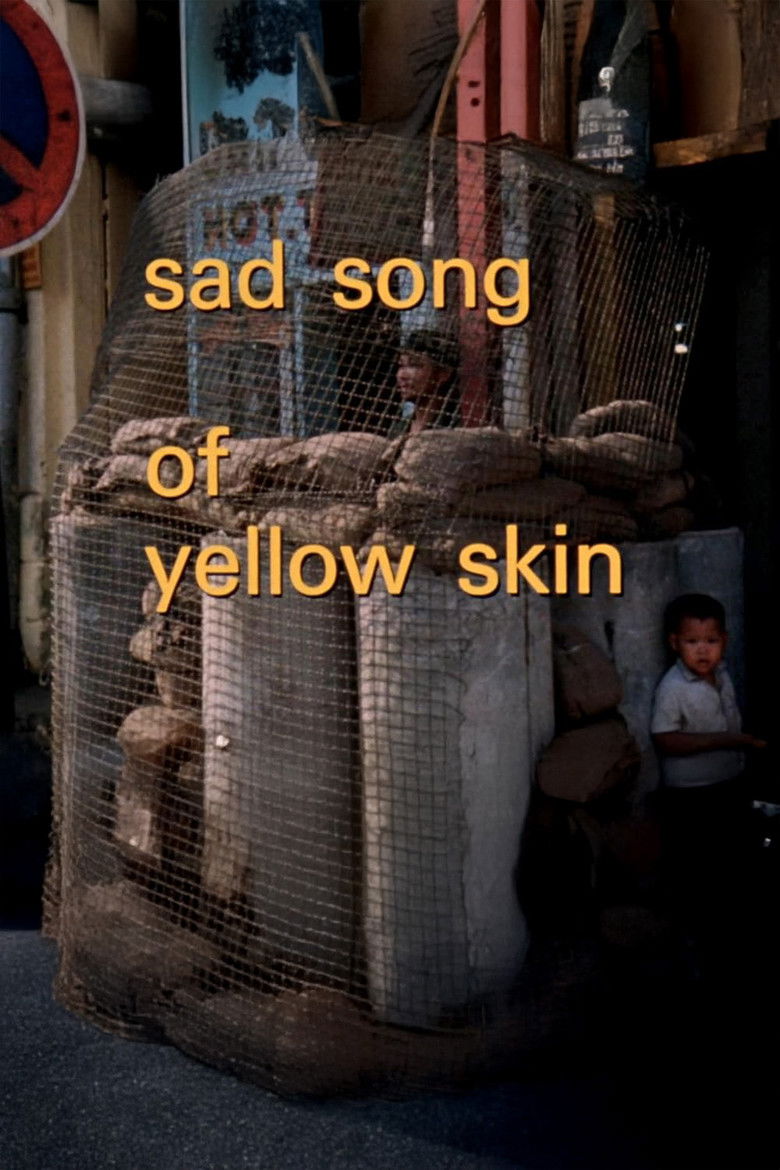
Filmed in Saigon in 1970, this documentary observes the effects of the Vietnam War on daily life away from the battlefield. Through the perspectives of three young American journalists, the film records encounters with street children, refugees, bar workers, and aid efforts shaped by the American presence in the city.

With the Vietnam war raging but a few miles away, the city of Saigon is surprisingly peaceful. Sure, there are GIs on patrol and their is some heightened security around the accommodation used by the soldiers, but for the most part their is a semblance of normalcy in this bustling metropolis. It's here that three young American journalists have settled, all determined to tell the real story of a city under siege. Richard Hughes is an erstwhile actor who does most of the heavy lifting as he tries to house dozens of urchins who have become wise to the ways of the streets. In an almost Dickensian fashion, they have learned how to steal, to fence, to pimp, to lie and to manipulate the visiting soldiers whom they saw as easy marks for their charms. Auteur and narrator Michael Rubbo also takes us on a tour of some of the city's more eclectic spots. An abandoned cemetery where people are crammed in like malnourished and ill-sanitised sardines and there is a small island where an ageing and frail monk offers something of a communal existence to those who wish to pray for peace. His services successfully incorporate the more traditional faiths of Vietnam with the more recently imported Roman Catholic ones (via their previous French occupiers). What this feature demonstrates clearly is a resilience amongst a people who are not now, nor ever have been, involved in the geo-politics that is ravaging their farms, compromising their food supplies and leaving many of their citizenry scarred - both psychologically and physically. The writers have managed to secure some limited syndication for their stories, but the extent to which the world at the time was interested in the domestic humanity of this war is something they are constantly having to prove and reprove if they are to make any traction with opinions at home. Though the narration is very personal and useful, it's really the observational nature of this film - coupled with the contributions of the locals both sagely and encouragable that show us just how impactful this conflict was on the ordinary residents of their city, and it is certainly worth an hour.