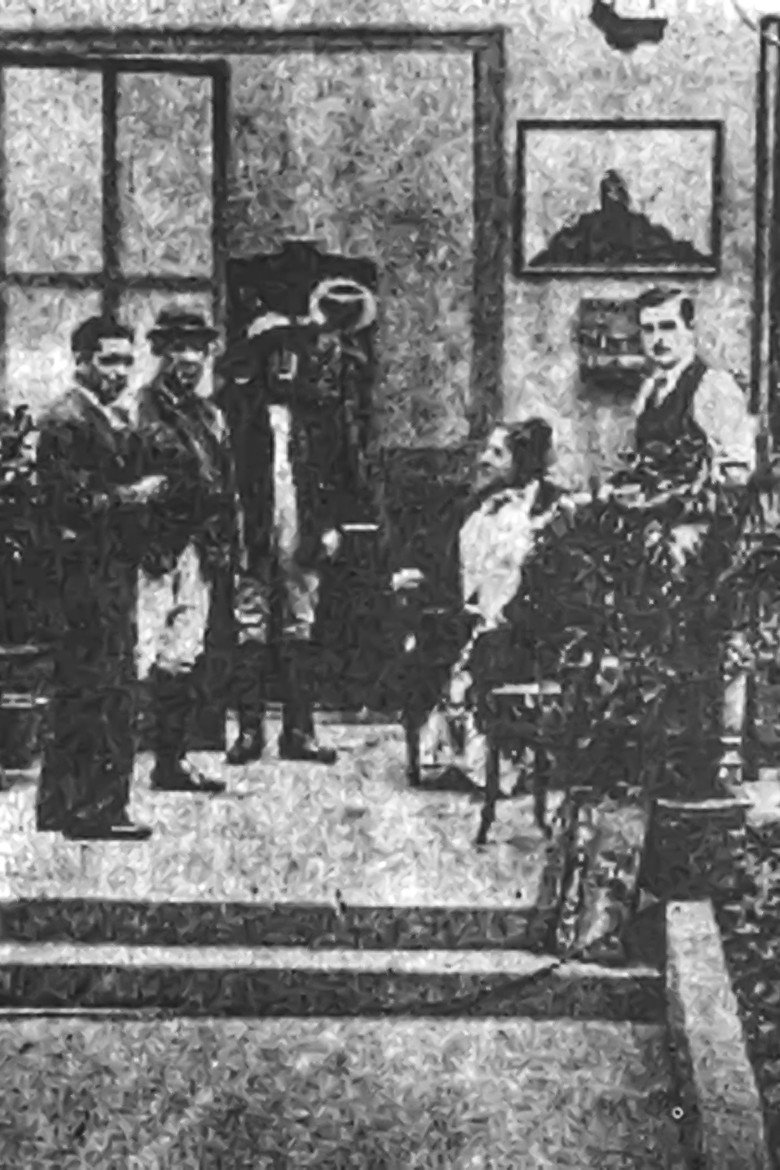
Cosas de la Vida
In truth, there is nothing in Cosas de la vida, nothing that has a Creole flavor. The entire first part is nothing but a reproduction on the screen, with the natural disadvantages for the same vaudeville artists we see every day in the main or neighborhood theaters. Rumbas, Argentine tangos. Barely a marinera (a marinera played on the piano and possibly the saxophone) gives a weak note of something Creole. The second part of Cosas de la vida has charm; the charm given to it by these three artists: Revolledo, Zamorano, Castillo. There is nothing to be done.
| Release Date | September 20, 1934 | |
|---|---|---|
| Status | Released | |
| Original Title | Cosas de la Vida | |
| Runtime | — | |
| Budget | — | |
| Revenue | — | |
| Language | — | |
| Original Language | xx | |
| Production Countries | Peru | |
| Production Companies | ||