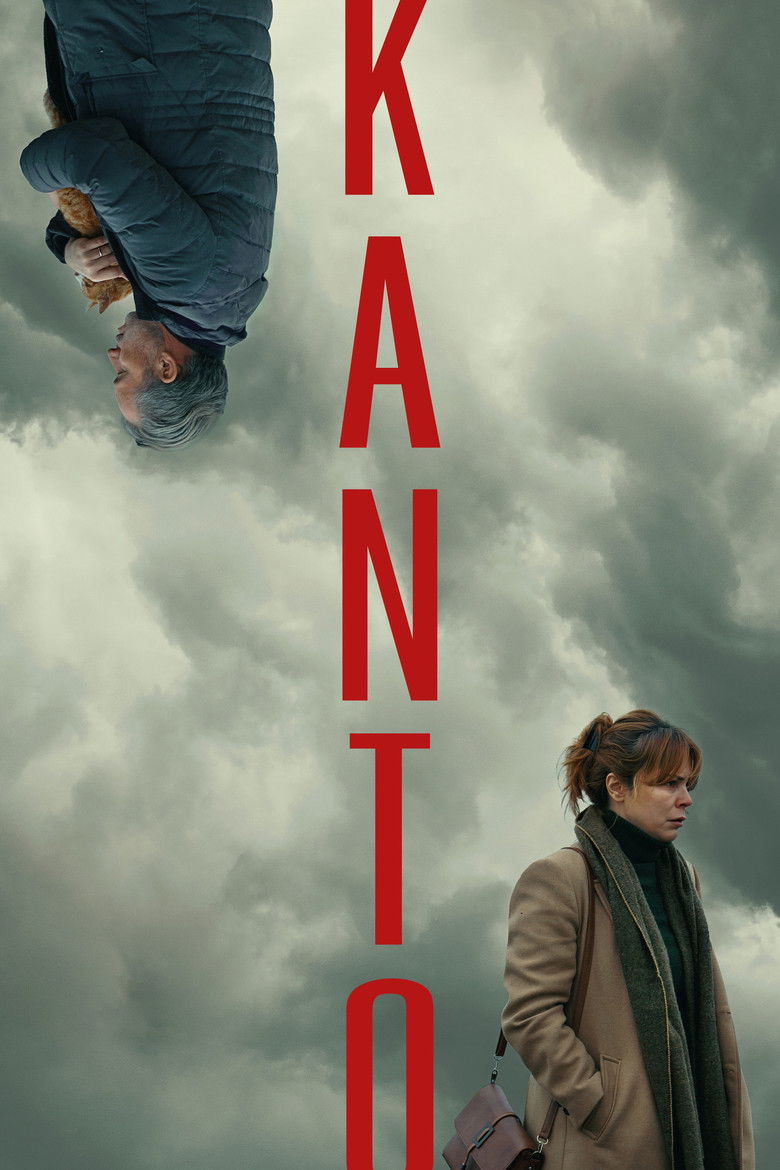
When you stack together themes like urbanization, modernization, the shrinking of the extended family into the nuclear one, loneliness, the delicate ties between parents and children, the fragile dynamics between spouses, the lingering wounds of the past, and the inevitable moment when the elderly become dependent on care—what kind of film do you expect to encounter? Whatever your expectation, this film has no intention of providing answers. It simply asks… And, truth be told, even those questions are enough to unsettle us.
Let’s imagine you have built a home of your own, found a rhythm over the years, everyone moving through their routines in quiet harmony. Then suddenly, the grandmother arrives—this time not for a brief visit, but to stay, and for a long while. She is ill, too, and her condition will only worsen. There is nothing comforting about this setup. The film doesn’t try to soften it either; instead, it pushes this prickly, almost needle-like subject right into our field of vision. But it does so not with shouting or dramatic flourishes—it unfolds slowly, quietly, much like how these issues emerge in real life and begin to transform us. The camera movements and compositions follow this same gentle, creeping rhythm.
In brief, the story centers on an elderly woman whose worsening illness forces her to move into her son’s home. But finding peace there seems almost impossible—she enters a household whose order and harmony naturally exclude her. One evening, after tensions erupt into a heated argument, the old woman leaves the house. Her son and daughter-in-law set out to look for her. The daughter-in-law, consumed by guilt, believes that her words and behavior drove the woman away. The son, however, is far less frantic; he knows his mother’s temperament all too well. And this search triggers something deeper: the surfacing of a troubled childhood, the emotional scars left by his mother, and the ways these experiences have shaped his own personality.
While the search continues, the daughter-in-law, acting on her own initiative, begins pursuing unusual and determined steps—leading her closer and closer to finding her missing mother-in-law. And then comes the ending—open-ended, ambiguous. In the final moments, the daughter-in-law finds herself alone in a forest, far from the city and far from the pressures of modernity. Exhausted, she stands face to face with herself. And as the film closes, the director leans toward us, almost whispering a question: Has she achieved her aim? Or, true to the film’s overall tone, does the story conclude on a darker note?
This remains a mystery, because—as we noted earlier—the director isn’t interested in giving answers. A little discomfort in the audience is enough. And the film delivers exactly that: a quiet, persistent unease that sits with us long after the screen fades to black.