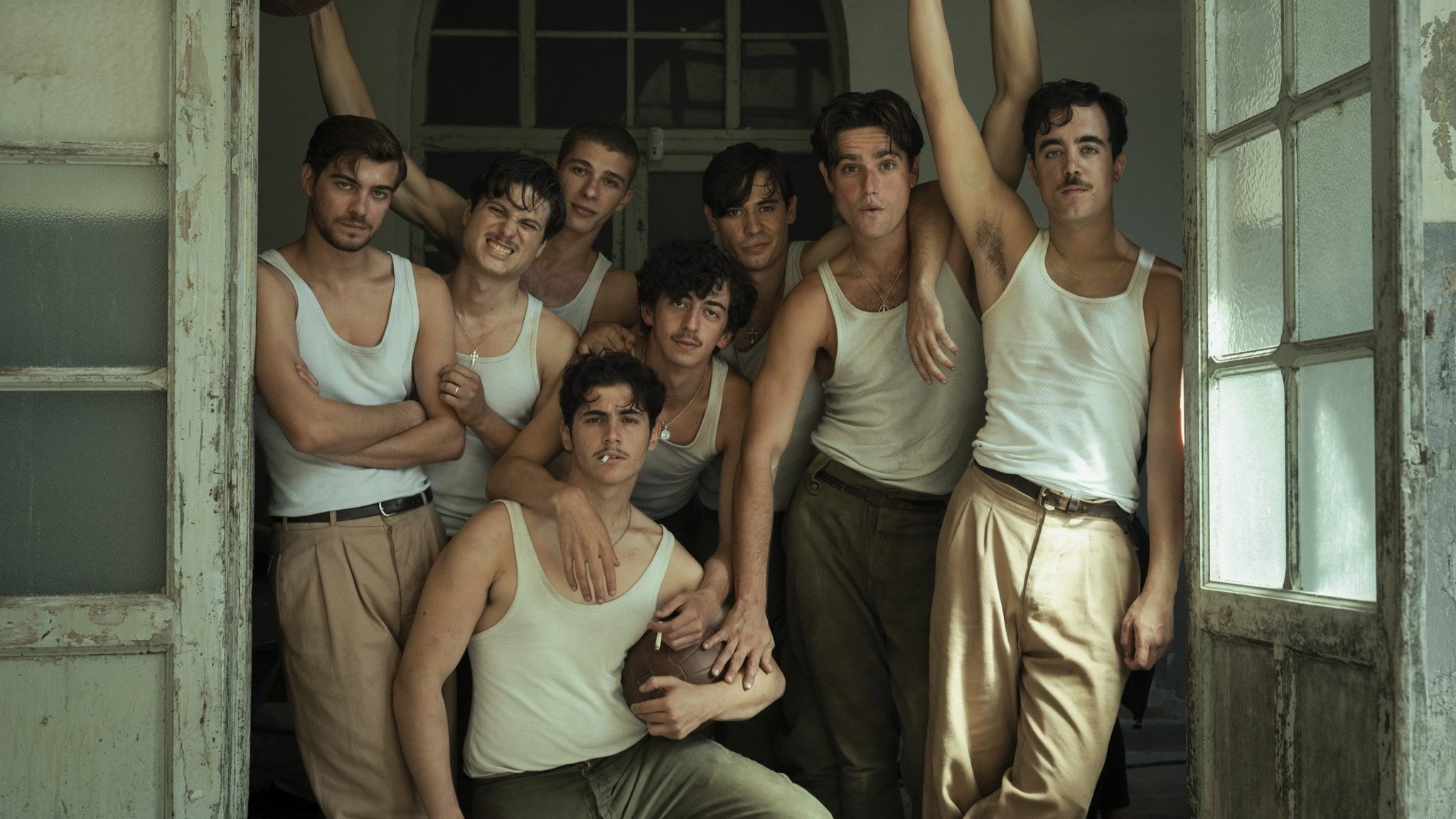
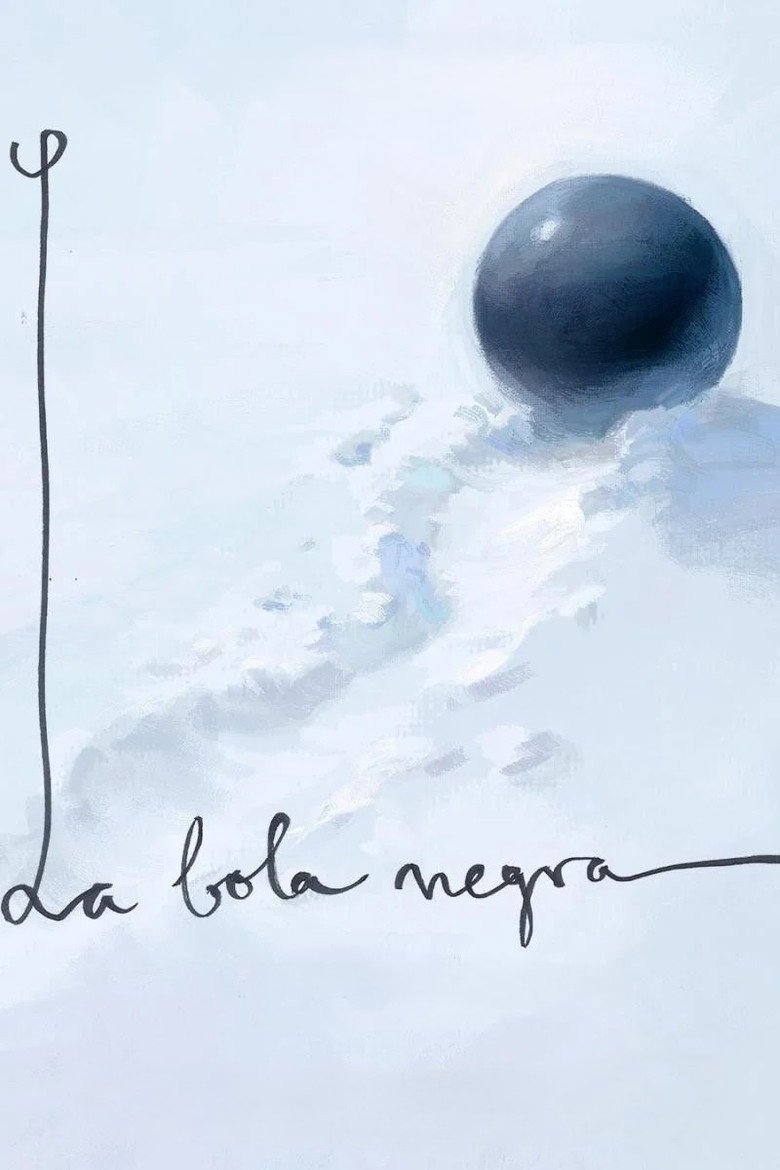
The Black Ball, inspired by an unfinished play by Federico García Lorca, will be a queer vindication about three men in three different moments of Spanish history: 1932, 1937, and 2017.
Revisiting La Bola Negra means reopening a wound within Spanish literature. The four unfinished pages left by Federico García Lorca before his assassination stand as the silencing and censorship of a voice confined to the avant-grade.
His attempts to give greater recognition and importance to themes such as identity and free expression were violated during the Spanish Civil War.
From an artistic perspective, this event may symbolize the fate of characters whose stories were never fully developed; in this sense, reality itself can function as a conclusion to what fiction could not complete.
So, does this mean the work is truly unfinished, or does it simply lack a written ending?
Some artists, like Alberto Conejero, attempted to provide an answer by continuing the work through uchronia, ultimately bringing it to the stage.
However, even such a compelling interpretation did not prevent others from adopting it as a definitive ending, opening the door to further reinterpretations. Which raises the question: how many times can a work be “completed” before it ceases to belong to its original author?
Far from resolving the issue, Javier Ambrossi and Javier Calvo add another layer by translating the work into a new language: cinema. Their trajectory, shaped by stories centered on identity and self-expression, positions them as fitting figures to revisit the ideas Lorca once defended.
To take Lorca as a cultural reference and place him within contemporary cinema is a bold and risky move. It questions whether completing a work with a symbolic ending can truly honor the author’s ideological struggle, or if it ultimately betrays its very condition of incompleteness.
Through their lens, Los Javis spark discussion by daring not only to complete the work, but to revisit it with care and precision, creating a cinematic bridge between the tragedy of 1936 and the memory of 2026.
In a time where ideas are constantly reimagined and challenging. In the case of La Bola Negra, Ambrossi and Calvo take on the responsibility on adaptation, leading to one final question:
**Can a work remain faithful to itself without being completely transformed by its interpretations?**