The Host
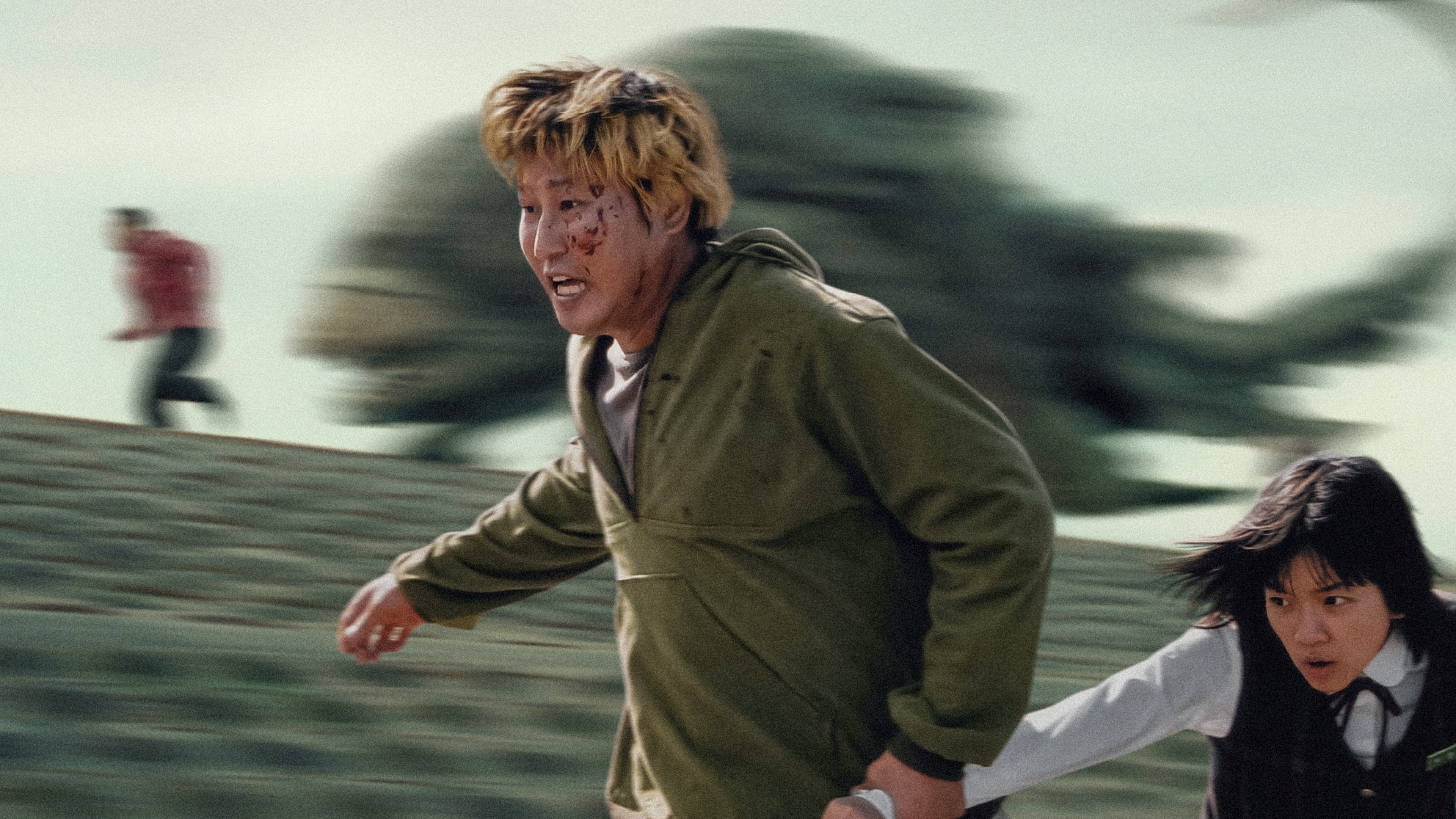
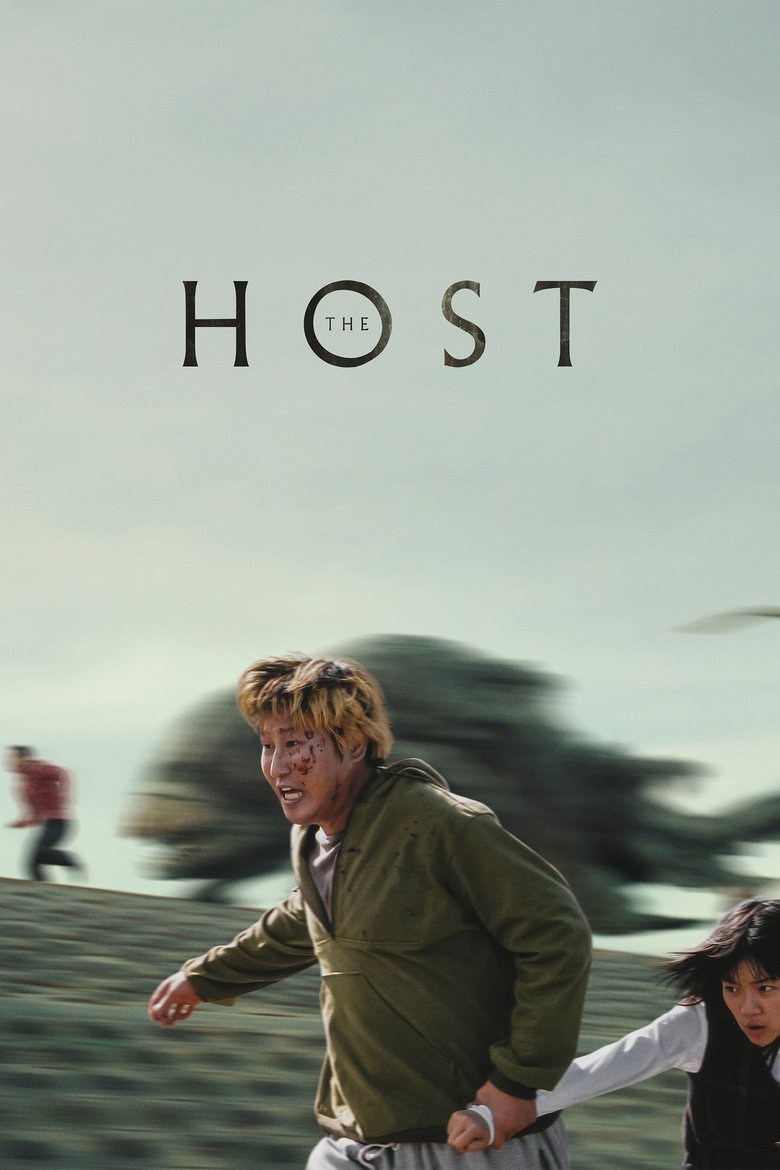
A teenage girl is captured by a giant mutated squid-like creature that appears from Seoul's Han River after toxic waste was dumped in it, prompting her family into a frantic search for her.

Peter McGinn@narrator56
This is a monster horror movie that really tries, to the point where they don’t give a clear view of the creature in the previews, presumably not to ruin the initial shock moment for the viewer. It is in Korean with English subtitles, with a few bursts of English with Korean subtitles when the speaker is American.
The movie focuses on one family’s ongoing battle: not merely against the monster but also struggling against the authorities who want to capture them, suspecting they have been infected with a virus by coming in contact with the creature.
The dialogue is pretty ordinary. I seem to recall a few unintentionally funny moments, though I cannot say for sure that it wasn’t due to the translation. I don’t intend to be hyper critical here: I sort of let the movie wash over me to get to the end, and you may or may not need to do the same.
I found I was a little confused as to the final fate of one of the family members at the end. Perhaps I was inattentive and it would have been cleared up if I backed it up and watched again, but unfortunately I wasn’t quite inversted in the movie enough to do that. I put in my time and that was sufficient unto the day.

GeekyRedhead@GeekyRedhead
These sites all missed the point. It's farce, it's funny. I actually liked the creature! He's kinda gruesomely-cute! Don't expect drama. It's all tongue-in-cheek, reminiscent of the old Godzilla creature films.
badelf@badelf
Summary: 8/10: inventive, genre-defying filmmaking that uses monster movie conventions to deliver sharp political critique and genuine emotional resonance.
A U.S. Army coroner orders an underling to dump many toxic chemicals into the Han River. Six years later, a monster crawls out and starts destroying people. If this were an ancient folktale, or even a Bong Joon-ho film (which, of course, it is), the monster would be a metaphor for the anger of the water spirit, nature's violent response to human desecration.
The best part of this movie is the impressive creature design and animation. The creature looks like no film monster before it: amphibious, awkward, surprisingly fast, with a prehensile tail and a mouth that opens in ways that violate every expectation. It's totally creative, a testament to Bong's vision and his creature design team's execution. Joon-ho proves once again his creativity and willingness to surprise the viewer, refusing to give us a Godzilla knockoff or a standard kaiju.
And also, typically for Bong, the film doesn't fit neatly into any genre. Not really horror, not quite a monster movie. It contains elements of horror, comedy, pathos, social commentary, and has something to say not only about the big issue of environmental catastrophe but also about family, loyalty, and the ways ordinary people respond when institutions fail them. The Park family at the center, bumbling, dysfunctional, deeply human, become unlikely heroes not through competence but through sheer desperate love.
Bong's social commentary targets what the U.S. and other advanced civilizations have done to clean water worldwide. The film's opening, based on a real incident of U.S. military pollution in South Korea, sets the stage for everything that follows. The statistics are damning: approximately 50% of assessed river and stream miles across the U.S. (703,417 miles) are classified as "impaired" due to pollution. Agricultural runoff, mostly by agribusiness, is estimated by the USDA to account for 80% of water pollution in U.S. rivers and lakes. Millions of Americans are exposed to forever chemicals. The Host asks what "invisible monsters" are we creating through our carelessness, our arrogance, our willingness to poison the natural world for convenience and profit.