This Is England
A story about a troubled boy growing up in England, set in 1983. He comes across a few skinheads on his way home from school, after a fight. They become his new best friends, even like family. Based on experiences of director Shane Meadows.
badelf@badelf
Directed by Shane Meadows
“How economic precarity and national humiliation curdle into hate” could be the subtitle of This Is England, but that makes it sound more schematic than it is. What Shane Meadows has made here is first and foremost one of the most fascinating coming‑of‑age films I’ve ever seen, and only secondarily a political anatomy of how a lonely child becomes raw material for the far right.
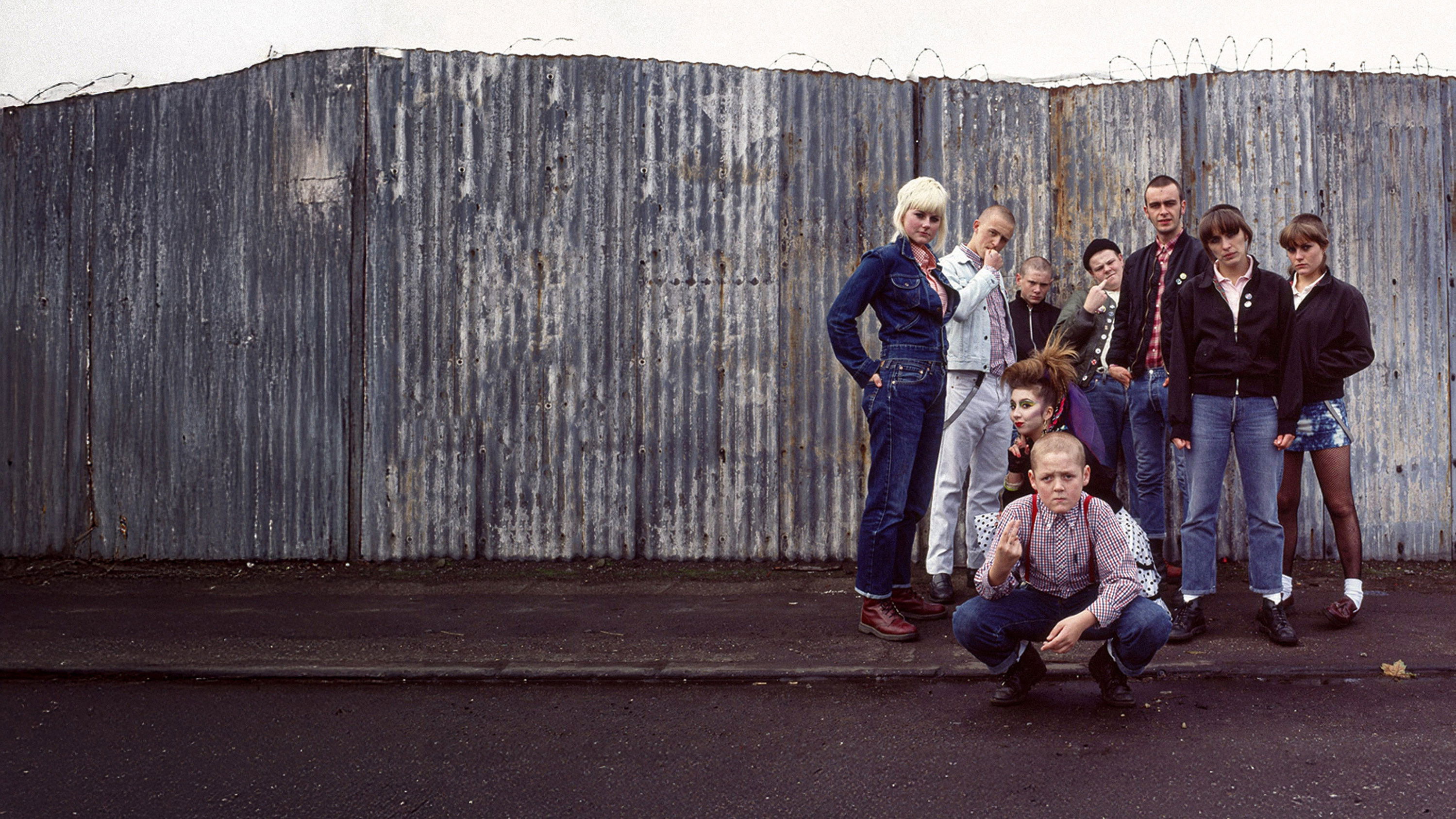
Coming‑of‑age stories are often simple, no matter how good. A kid meets friends, discovers sex, music, rebellion, maybe loss. This Is England gives you all of that and then shows you the bill. Thomas Turgoose, as Shaun, doesn’t just play a kid; he is a kid, in all his awkwardness, bravado, woundedness. He stole every frame for me, so incredibly authentic that you forget there’s a camera anywhere near him. You can feel how desperately he wants to belong, how easy it becomes, in that state, to mistake any intense attention for love.
I’m not expert enough in the British punk and skinhead scene to audit it for accuracy, but it feels right in my bones. My guess is yes, Meadows got it. What I can say with confidence is that he and his team absolutely nailed the 1980s look and feel on a cinematic level; the textures and colors, the shots and the sets as well as the costumes. The nicotine‑stained walls, the washed‑out council estates, the cluttered bedrooms and worn pub interiors, the harsh daylight and murky interiors, all combine into a visual world that feels completely lived‑in. It’s not nostalgia, it’s immersion.
Stephen Graham’s Combo is one of the most disturbingly realistic characters I’ve seen in this territory. There are clues early on that he’s dangerous, that something is rotting inside him, but the way his violence finally erupts is still a genuine shock. He’s not a cartoon fascist; he’s charismatic, funny, intermittently tender, and then suddenly monstrous. Meadows understands that this is how hate works in real life; it doesn’t announce itself in jackboots and banners, it sidles in through damaged men who offer belonging before they demand loyalty.
And underneath it all runs that hook: economic precarity and national humiliation curdling into hate. Thatcher’s Britain, the Falklands War, deindustrialization—none of this is explained in speeches, but it’s present in every hallway, every empty lot, every fatherless home. The politics are in the wallpaper, and that’s exactly where they belong in a story about a boy who just wants friends and ends up on the edge of something poisonous.
I loved This Is England as a film about a child trying to find his place in a collapsing world. I also respect it as a clear‑eyed look at how easily that search for belonging can be weaponized. Meadows doesn’t overplay the point; he just lets us watch it happen.