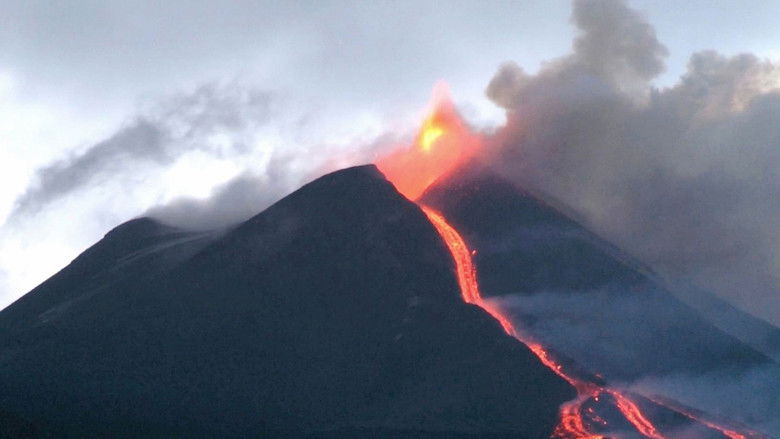
01. Etna: The Mountain Mountain
Mount Etna is the highest and most active volcano in Europe. It erupts once or twice a year, threatening the 900,000 people who live nearby. Despite this, every year, in February, Catania becomes the centre of one of the most important Christian pilgrimages in the world.
With great ardor, half a million Sicilians congregate and pray to Santa Agata, the protector of the city. They prey for her protection against the wrath of the fiery giant. For noting in the world, would they ever leave this volcanic land, a land of milk and honey where you can find the best oranges in the world.
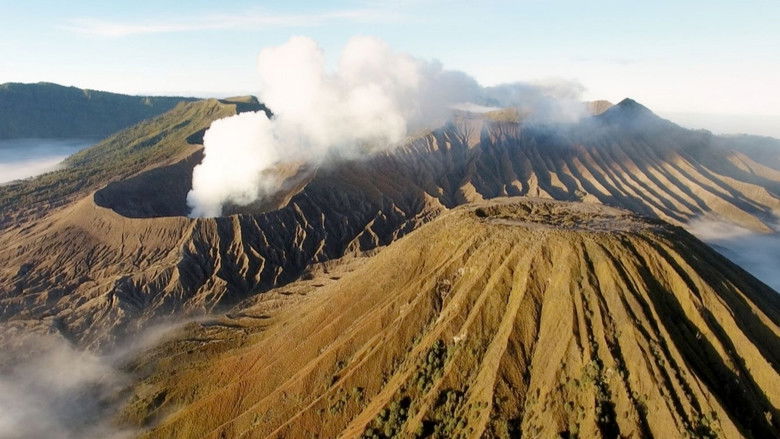
02. Bromo - The Sacred Volcano of Java
In Indonesia, the local inhabitants worship the Bromo Volcano. Every year, during the full moon, a procession with torchlights makes its way towards the smoking crater. It is the Kesodo celebration.
In the middle of a gigantic sea of volcanic dust, thousands of pilgrims make offerings to the crater which is considered as an incarnation of a Hindu god. Fruits, vegetables, chickens ... women and men give back to the volcano some of what it gave them. They pray for the volcano to grant them life rather than death.
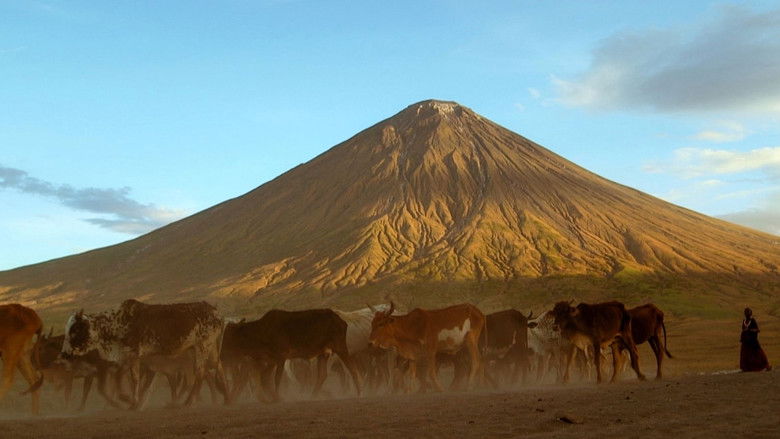
03. Tanzania - A Volcano on Maasai Territory
Tanzania’s Ol Doinyo Lengai volcano is unique in the world : its liquid black lava turns snow white when it cools down. Our distant ancestors left some footprints which were petrified by the volcano 20,000 years ago...
Mathieu Kervyn, a volcanologist at the University of Brussels, is one of the rare specialists of this particular volcano. It has not been studied much due to its difficult accessibility. After a perilous climb, Mathieu reaches the magnificent crater in order to draw a map. At the foot of the volcano, on the shores of Lake Natron, the Maasaï people worship the God who sleeps in its smoking crater: the great Engai.
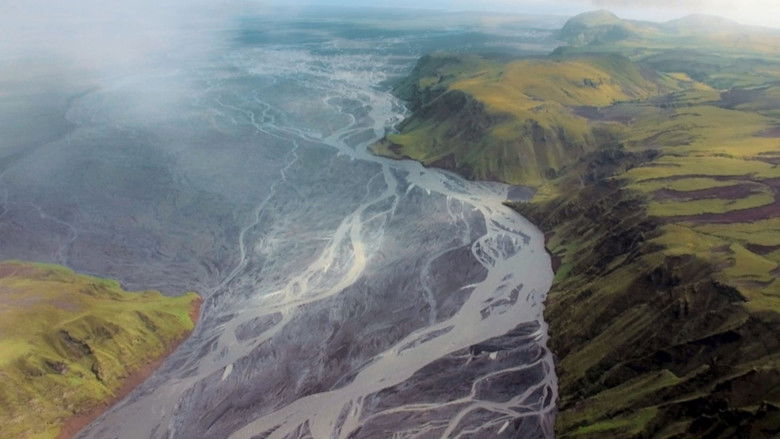
04. Westman Islands - The Volcanic Guardians of Iceland
Lost in the North Atlantic Ocean, the Westman Islands located off the coast of Iceland seem to be on guard duty. In this isolated archipelago, men and women of strong character have learned to live with this intense Icelandic volcanic activity, sometimes risking their lives ...
In 1973, the inhabitants of Heimaey had to be evacuated when a powerful eruption destroyed half of the city. Gerture had to abandon her house. She reminisces with emotion ... To access these steep islands, the islanders have adapted with tremendous ingenuity, using a zip line to hoist their sheep from a frail boat onto the green volcanic island. Further away, Surtsey Island emerged from the waves only 50 years ago, after a violent volcanic eruption, and has become a real laboratory for naturalists!
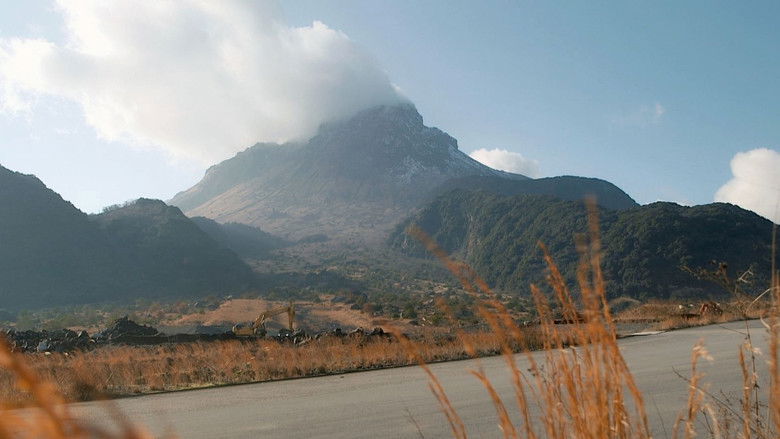
05. Unzen - Man Versus Giant
Japan’s Mount Unzen violently awakened in 1991, after two centuries of sleep... For five years, terrifying avalanches of gas and ash destroyed everything on their path. But the Japanese did not give in and stood up to the volcano.
They invested pharaonic sums of money into creating dams to prevent mud flows. Despite the relentless threat of the volcano, people remained nearby. In Japan, the sense of belonging to the land is very strong, especially when one can enjoy the benefits of geothermal energy : hot baths and volcanic cooking.
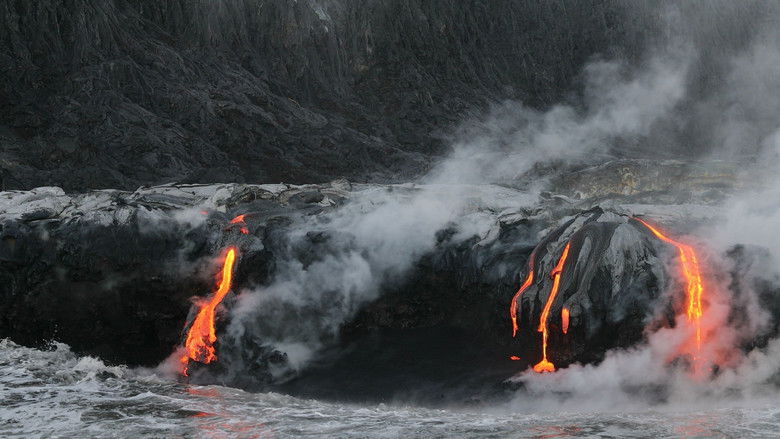
06. Hawaii - The Lava of Kilauea
In Hawaii, the Kilauea volcano has been erupting continuously since 1983. Its glowing streams flow into the Pacific in a magical commotion of water and fire, transforming the island into an everlasting cycle of creation and destruction.
If the lava of the volcano creates new lands on the ocean, it also destroys entire villages such as Kalapana where a community still lives in harmony with their fiery giant. Women and men rebuilt their homes on black lava, where their old lands were situated. Every week, they come together and celebrate the carnal bond that ties them to the Hawaiian volcanic land. For any volcano enthusiast, the grail is to get closer to the lava and to take a sample, as did Haroun Tazief, the legendary volcanologist…Arnaud Guerin’s dream has comes true.
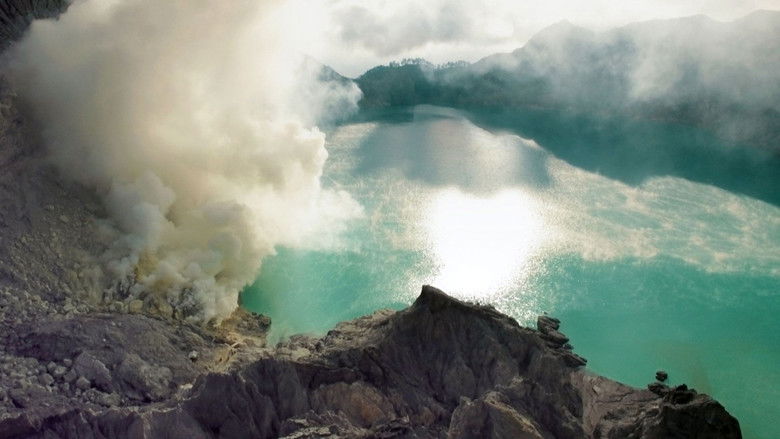
07. Kawah Ijen: The Hell of Sulfur
In Indonesia, Kawah Ijen reveals its infernal insides. Miners extracting sulfur work in extreme conditions, and take turns daily in the inferno of the crater.
One of the workers, Sarno, has been working there for twenty-eight years. Under such severe conditions, he would extract sulfur with a mining bar and carry 75 kilos of it on his back. Sum Arti, a volcanologist, monitors the level of danger linked to gases and protects miners from the risk of gas bubbles that can potentially be lethal.
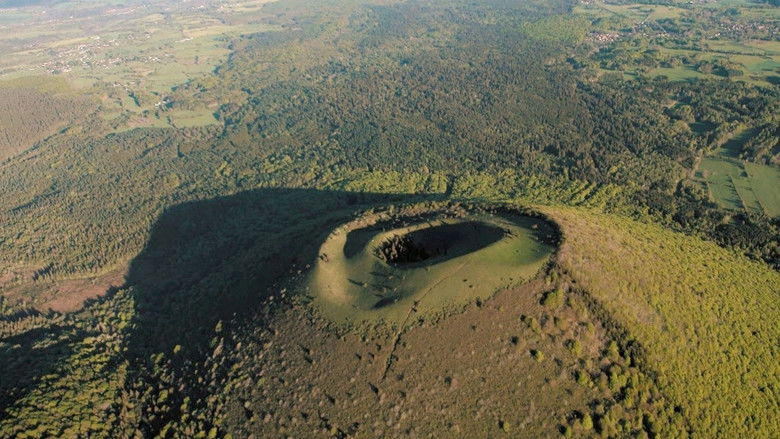
08. Auvergne: The Mysteries of Its Sleeping Giants
Despite its peaceful demeanour, the volcanoes in Auvergne have known a tumultuous past. Large reserves of magma have been discovered recently in the underground depths and a new eruption cannot be ruled out entirely.
The Pavin Lake is said to be cursed ... Although today it remains quiet, many stories reveal that is was surprisingly active until the eighteenth century, with villages being engulfed by swirls of lava ... Today, scientists are investigating its deep black waters to try and explain this strange phenomena.
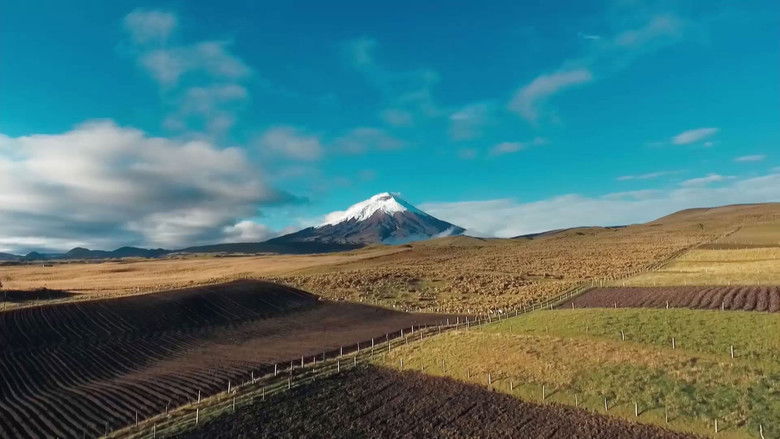
09. Ecuador - Beneath the Cotopaxi Glacier
In Ecuador, the Cotopaxi volcano rises to almost 5 900 meters in altitude. The glaciers that cover its crest are constantly being monitored : in the event of an eruption, their melting could cause devastating mudslides.
Scientific expeditions conducted at such high altitude are a real challenge, especially for Arnaud Guérin, who suffers from acute mountain sickness. At the foot of the volcano, the Chagras move their cattle on horseback. If an eruption occurs, they can quickly evacuate their endangered herds. Santiago Benitez is a shaman who keeps the temazcal tradition alive. It is a very ancient spiritual practice that involves heating volcanic rocks.
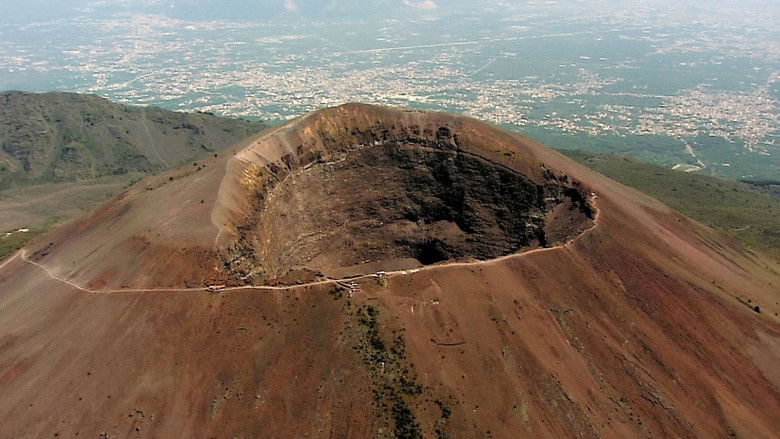
10. Naples: A Volcano Can Hide Another
Each of its tremors is constantly monitored : the Vesuvius is one of the world’s most famous and dangerous volcanoes. At its feet lies the city of Naples, the third largest city in Italy, and its 970,000 inhabitants.
Its eruption, in 79 AD made history and it literally destroyed the cities of Pompeii and Herculaneum. But for centuries, Neapolitans have accepted this risk and benefited from the volcano's resources. However, in the shadow of the Vesuvius, lies another volcano which sleeps in silence : the Phlegrean Fields...
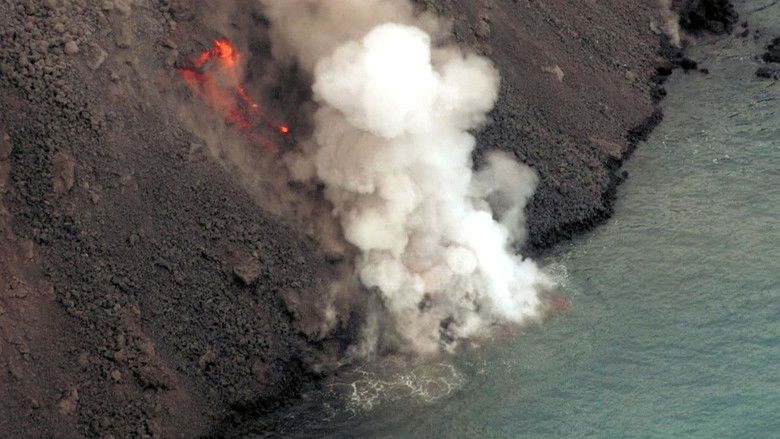
11. Aeolian Islands - From Hell to Paradise
Volcanoes have shaped the fate of the Aeolian Islands. The most famous one being Stromboli, which attracts thousands of visitors every year. Yet the island and its very active volcano weren’t always so popular ...
If this island is renowned today, it is thanks to Rossellini's legendary film, Stromboli, featuring Ingrid Bergman, and their tumultuous love story during the film shooting. Before then, the Aeolian islands were poor and inhospitable. Only a few inhabitants lived there, like Pasquale, a modest olive grower. Only half a century ago, the island still harboured a prison ...
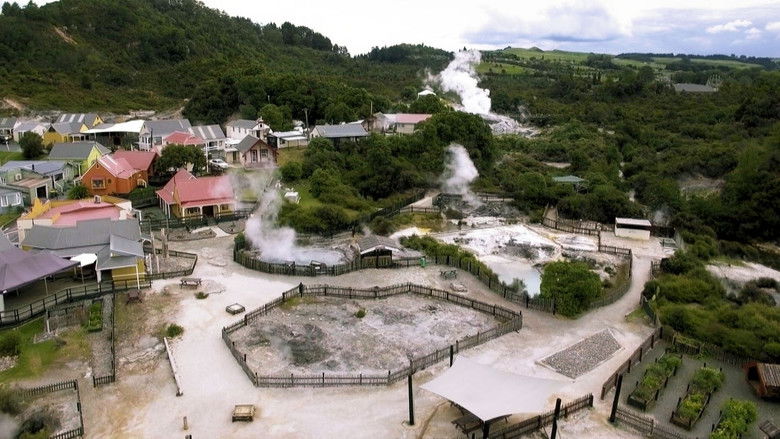
12. New Zealand: Human Treasures
For nearly a thousand years, islanders have learned to master volcanic forces. A strong bond ties them to their land which offers them many gifts : beautiful obsidian stones and exceptional hot springs.
Local sources of geothermal energy are another one of these volcanic treasures from "the land of the long white cloud". Some tribes have integrated this natural energy to their daily lives. This phenomenal source of energy also has more modern applications : it can provide enough electricty for 160,000 homes in New Zealand.
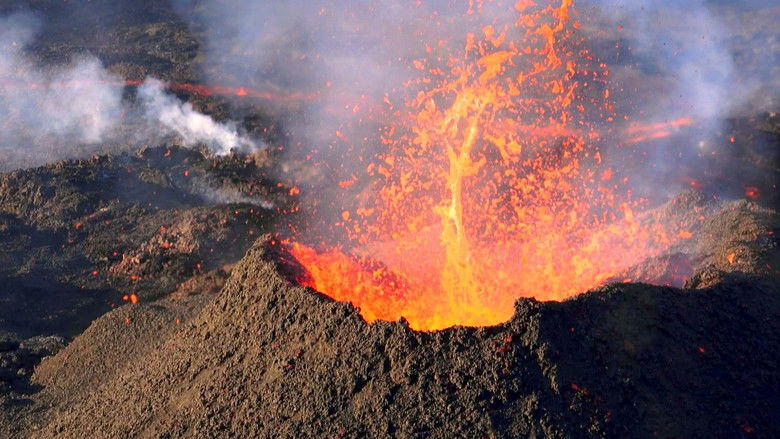
13. Reunion Island: in the Heart of the Volcanoe
Reunion island brings us on a journey through volcanic time ... The young Piton de la Fournaise figures today among the world’s most active volcanoes ... Its extreme activity is linked to its youth.
Aline Peltier, a volcanologist, monitors this volcano closely because of its five annual eruptions. Its neighbour, which sleeps nearby, the venerable Piton des Neiges, show traces of millions of years of volcanic activity on its slopes. Its study helps scientists anticipate the future transformations of the Piton de la Fournaise. Not far from there, an amazing local community lives in near autarky.
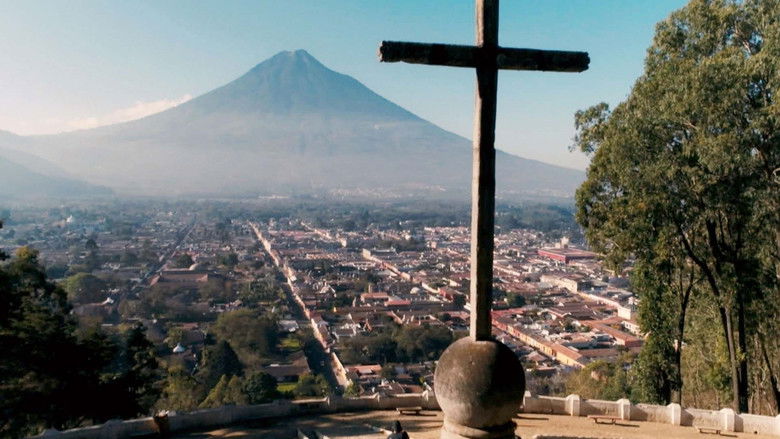
14. Guatemala: Under the Threat of the Fuego Geant
In Guatemala, the Fuego volcano is permanently active, threatening tens of thousands inhabitants. Gustavo Chigna, a volcanologist, inspects its slopes to measure the quantities of accumulated volcanic materials.
In the village of La Trinidad, located 5 km away from the active crater, lives a small community that understands the risks involved in case of eruption ...
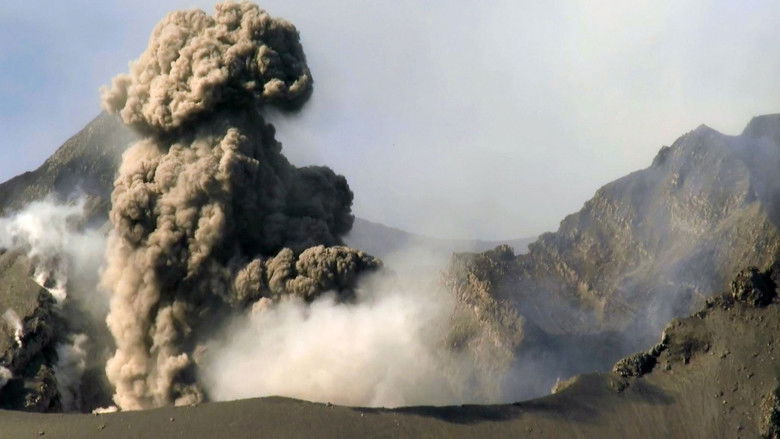
15. Sakurajima: Life Under the Ashes
In Japan, the Sakurajima volcano erupts almost daily and threatens the 600,000 inhabitants that live at its feet. On the flanks of the volcano, every morning, children make their way to school with protective helmets.
The ash that accumulates in the village forces the inhabitants to perform a daily cleaning. But these ashes are also a source of benefits. Mr. Shirahama, a farmer, cultivates the largest radishes in the world. Meanwhile Japanese scientists monitor the volcanoes 24 hours a day.
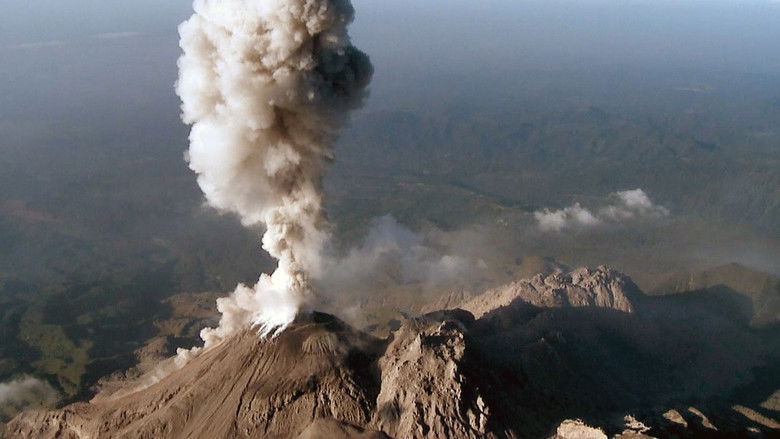
16. Guatemala - Volcanoes on Mayan Territory
In Guatemala, the Santiaguito volcano was born less than 100 years ago. Scientists are fascinated by its youth and intense activity. Volcanologists from allover the world are attracted by the unique opportunity to observe a volcano in the early stage of its life.
But this research is also geared towards protecting those populations living at the foot of the volcano as well as coffee plantations. For the descendants of the Mayan people, the Santiaguito and many other volcanoes of the region symbolise the creative power of nature.
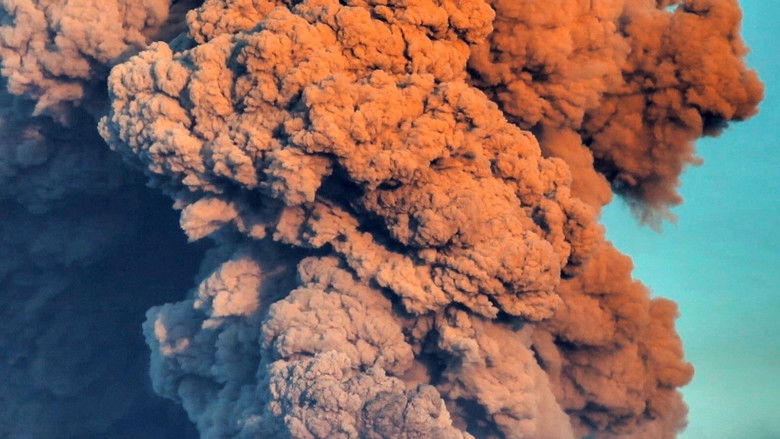
17. Iceland, the Lords of Fire
Iceland is undoubtedly volcano kingdom. It is the most important volcanic island on the planet, its land produce nearly a third of the world's lava. Its lunar territory is the battlefield for the elements : water, ice and fire.
Here, the volcanoes impose their laws which men, animals and everyone bows down to. Beyond the risk of fires, a rising source of concern is linked to the glaciers that cover some of these volcanoes. These are monitored daily as their interaction with the volcanic heat, deep down, can generate huge glacial floods that destroy everything on their path.
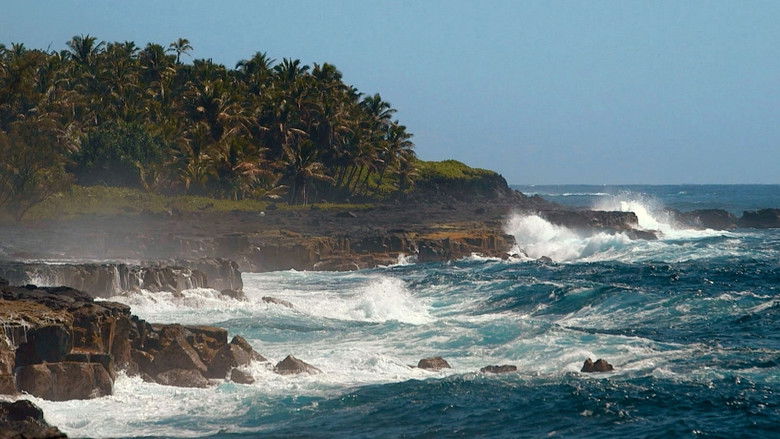
18. Mauna Loa: The Hawaii Giant
In Hawaii, Mauna Loa is the largest active volcano on the planet. Its colossal mass could cause unsuspected dangers : its unstable flanks could collapse into the ocean and cause a mega-tsunami.
Gérard Fryer, a geophysicist, devoted his entire life to the study of this unknown phenomenon: by entering the water, this enormous mass of rock forms giant waves, 300 meters high. Other tsunamis caused by earthquakes around the Pacific regularly affect the island’s coast. The volcano’s peak is so high that scientists have settled there to study global warming.
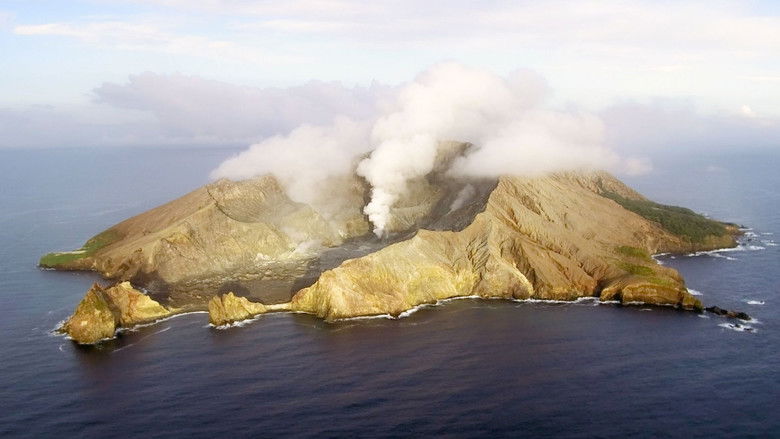
19. New Zealand - Volcanic Lakes in Maorie Land
New Zealand is the theatre of Earth’s most violent volcanic eruptions. Lake Taupo witnessed a cataclysmic eruption which rejected enough ash to cover an entire country the size of France.
White Island, located 40 kilometres off the coast, is a unique place, home to a capricious lake of craters that flows into the sea or evaporates depending on magmatic activity. For the Maori people, these volcanic lakes are sacred as they are home to gods like Ruapehu. When scientists come to study this lake, they abide by their rules and follow the prayers of a Maori guide...
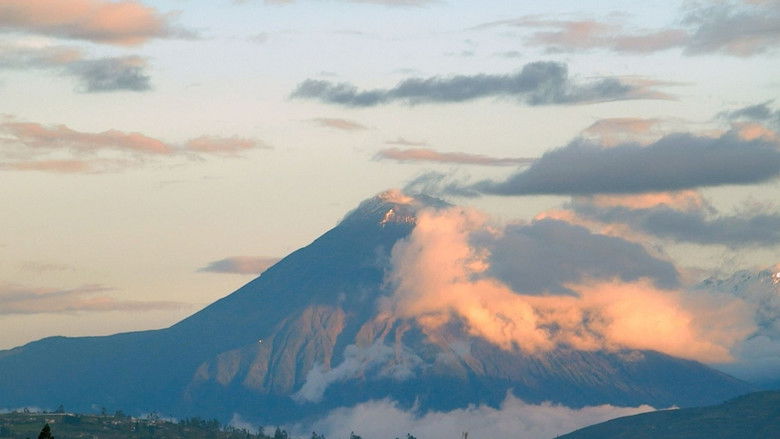
20. Ecuador: The Obstiante Inhabitants of Tungurahua
Tungurahua is an explosive volcano in Ecuador. In 2006, the district of Palictahua was destroyed. Since then, its inhabitants have taken action to join forces.
They actively take part in a surveillance network and have brought back to life an ancestral tradition of Inca culture : community fields for growing staple foods. Volcanic thermalism is rooted in the local culture, while the city of Banos celebrates the Virgin of the sacred water, who is believed to protect the city from the volcano’s anger.