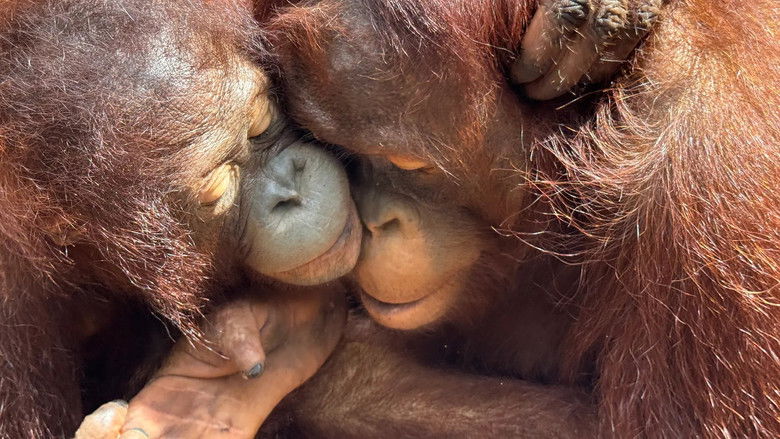
01. Borneo, the Orangutan's School
After humans, orangutans are the primates that remain most attached to their offspring for the longest period: females care for their young for nine years. Victims of poaching, adult females are sometimes abducted or killed. Only the luckiest orphans are taken in by sanctuaries such as the Borneo Orangutan Survival Foundation.
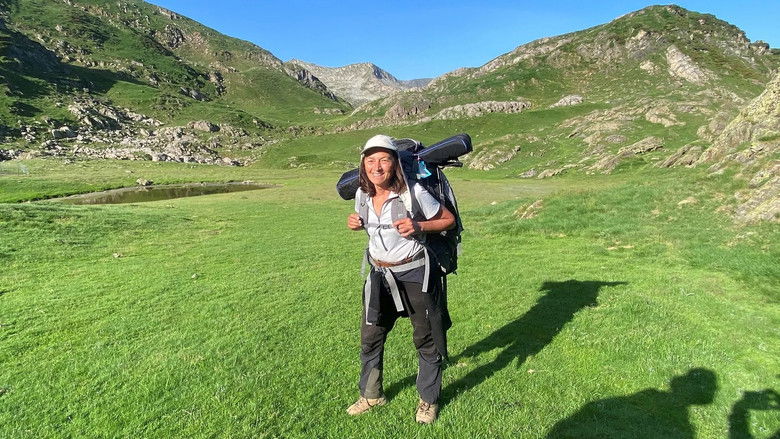
02. Pyrenees, living with the bear
The bear has returned to the Pyrenees, especially in Ariège and Haute-Garonne. In this region, home to its preferred habitats, humans must adapt to the presence of this powerful predator. Scientists and passionate conservationists on one side, critical residents and concerned farmers on the other, are all fighting to make their voices heard.
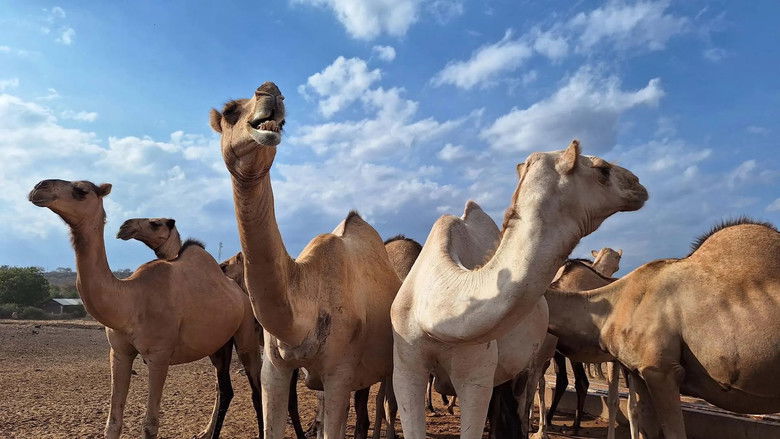
03. Kenya: The Camel Milk Gamble
For centuries, nomads roamed the Kenyan bush with their herds of cattle and goats. But years of drought decimated their livestock. To help the semi-nomadic herders, the Kenyan government implemented a camel distribution program. This initiative proved successful, as the milk from the females turned out to be an unexpected boon for the local population.
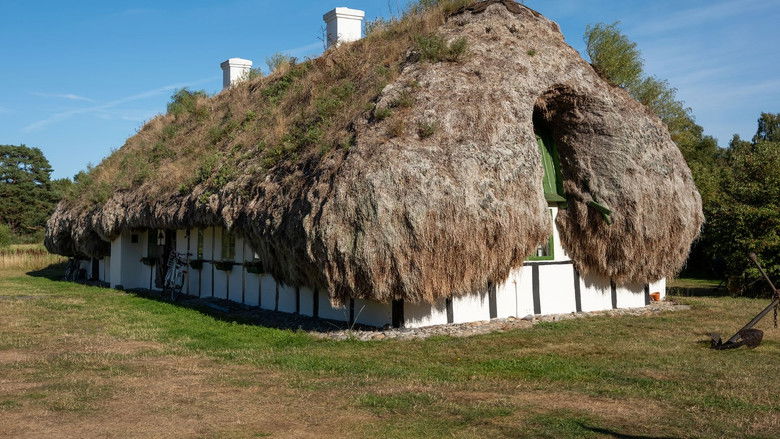
04. Læsø: Denmark's Last Seagrass Roofs
For centuries, the inhabitants of the Danish island of Læsø have covered the roofs of their houses with dried-out seaweed. The fire-resistant natural material protected the houses from storms and rain and this sustainable material is still in use today. Roofer Henning is the keeper of this rare craft and wants to pass on his knowledge to the younger generation.

05. Cannabis Growing in Morocco
The cultivation of cannabis has a long tradition in northern Morocco - around 300,000 families have long made a living from growing the plant, from which marijuana and hashish are extracted. As its therapeutic properties have been proven, some countries, including Morocco, have legalised medical cannabis use. However, legalisation does not guarantee a promising future for small farmers.