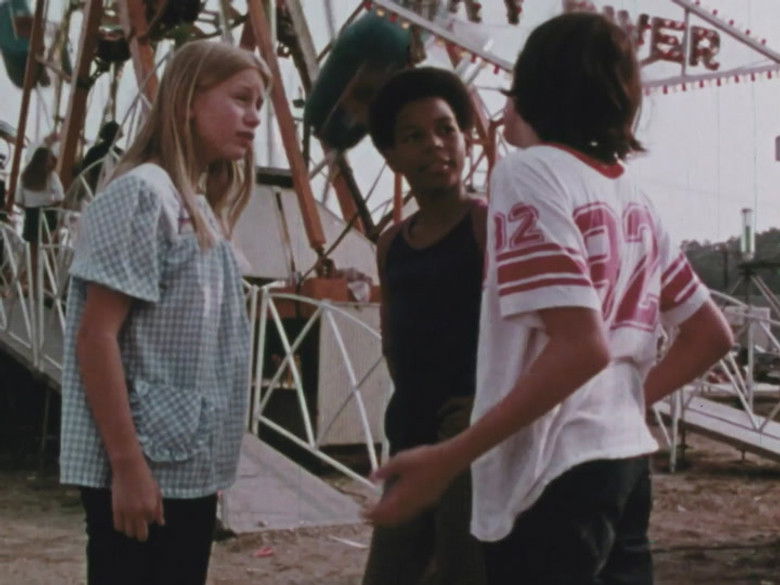
01. Treasure Hunt
The children set out on a playful search that teaches them how to follow clues, observe details, and work together. As they explore their surroundings, they discover how simple problem‑solving skills help them make sense of the world. The episode highlights cooperation, curiosity, and the satisfaction of uncovering answers through careful thinking.
02. Work Means
The children explore what “work” really is by looking at the many tasks people do to keep life running smoothly. Through simple examples and hands‑on moments, they learn that work can involve effort, creativity, and responsibility. The episode highlights how everyone contributes in different ways and why each role matters. It encourages young viewers to see work not just as a chore, but as a meaningful part of everyday life.
03. Things Ideas People
The children explore how people use objects, imagination, and cooperation to solve everyday problems. Through simple examples, the episode shows how ideas turn into actions and how tools help people get things done. It highlights creativity, teamwork, and the many ways individuals contribute to the world around them.
04. The Way We Live
The episode introduces children to the many routines, choices, and responsibilities that shape everyday life. Through simple examples, it shows how families and communities organize their days, meet their needs, and support one another. The focus is on helping young viewers understand how people live, work, and cooperate to create a functioning world around them.
05. Taking Care Of Business
The children learn how people manage everyday tasks that keep homes and communities running smoothly. Through simple, relatable examples, the episode shows how planning, responsibility, and cooperation help get things done. It highlights the importance of doing your part and understanding how small actions contribute to the larger world around you.

06. Success Story
The children explore what it means to succeed by looking at the steps people take to reach their goals. Through simple, real‑world examples, the episode shows how planning, effort, and persistence help turn small beginnings into meaningful achievements. It encourages young viewers to see success as a process built on learning, responsibility, and steady progress.

07. School And Jobs
The episode helps children understand how school prepares people for the work they will do later in life. Through simple examples, it shows how learning skills, practicing responsibilities, and exploring interests connect to different kinds of jobs. The focus is on helping young viewers see the link between education, personal growth, and the roles people play in their communities.
08. Power Play
The children explore how people use energy, strength, and tools to get things done. Through simple demonstrations, the episode shows how different kinds of power—physical, mechanical, and even decision‑making—shape everyday activities. It encourages young viewers to think about where power comes from and how it helps people work, solve problems, and cooperate.
09. Planning Ahead
The children learn why planning is an important part of getting things done. Through everyday examples, the episode shows how thinking ahead helps people make good choices, avoid problems, and use their time wisely. It encourages young viewers to see planning as a simple tool that makes work, play, and responsibilities easier to manage.
10. People Need People
The episode helps children understand how people rely on one another in everyday life. Through simple, relatable examples, it shows how cooperation, sharing, and community make tasks easier and relationships stronger. The focus is on recognizing the value of helping others and appreciating the support we all give and receive.
11. Our Own Two Hands
The episode shows children how people use their hands to create, build, and solve everyday problems. Through simple demonstrations, it highlights the many tasks that depend on skill, effort, and cooperation. Young viewers learn that capable hands—working with thoughtful minds—help shape the world around them.
12. Me Myself and Maybe
The episode encourages children to think about who they are and the choices they make each day. Through simple, relatable situations, it shows how personal decisions shape responsibilities, relationships, and the way we grow. Young viewers learn that understanding themselves helps them make thoughtful choices and contribute positively to the world around them.
13. You're Wrong
The episode helps children understand how mistakes and misunderstandings are a natural part of learning. Through simple, everyday situations, it shows how listening, checking facts, and keeping an open mind can lead to better decisions. Young viewers learn that being wrong isn’t a failure—it’s an opportunity to grow, rethink, and discover the truth.
14. Decisions Decisions
The episode introduces children to the idea that choices shape everyday life. Through simple, relatable situations, it shows how weighing options, thinking ahead, and considering consequences help people make better decisions. Young viewers learn that even small choices can influence their responsibilities, relationships, and routines.
15. Choosing Changes
The episode introduces children to the idea that choices often lead to change, both big and small. Through everyday examples, it shows how people adapt, make decisions, and adjust to new situations. Young viewers learn that change is a natural part of life and that thoughtful choices help guide the direction those changes take.