September 1, 2026
Season 2
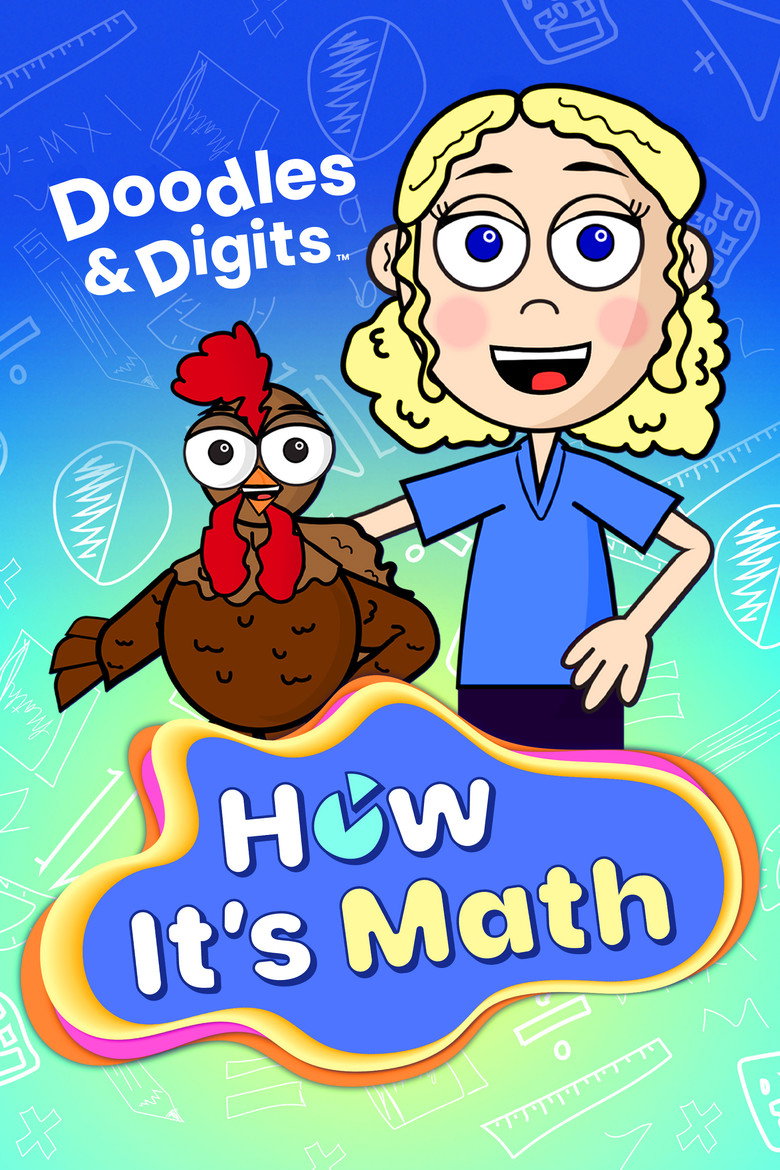
Join Caroline and her math chicken as they explore how different industries use math! Experts share how the math you are learning in class today will be used every day in different industries.
Join Caroline and her math chicken as they explore how different industries use math! Experts share how the math you are learning in class today will be used every day in different industries.
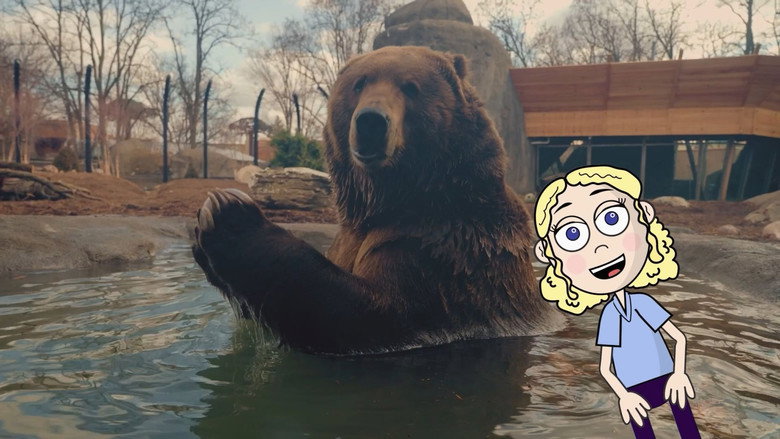
Math helps people and animals every day! At the zoo, multiplication is used to care for animals, while food pantries add large numbers to serve communities. Optometrists use decimals to measure vision, and radiologic technologists use angles to capture images. Students see how math skills solve real problems and answer, “When will I ever use this?”
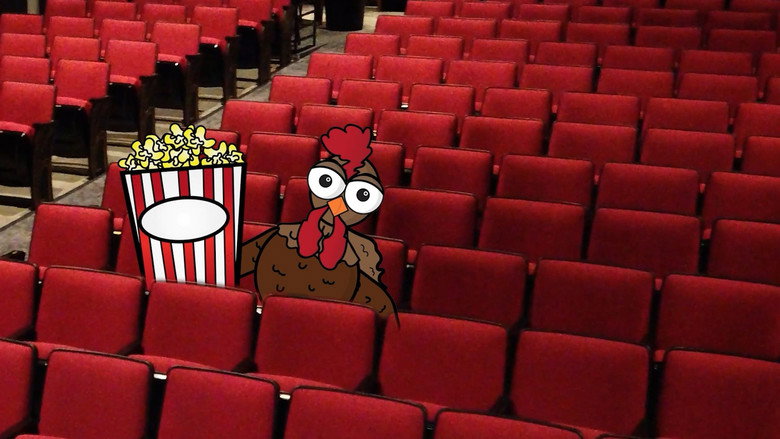
Math keeps everyday systems running smoothly! At landfills, multiplication, division, and measurement help manage waste. Movie theatres use decimals to track sales, while authors work with large numbers. Pharmacists rely on precise metric conversions to keep people safe. Students see how math supports real-world problem solving.
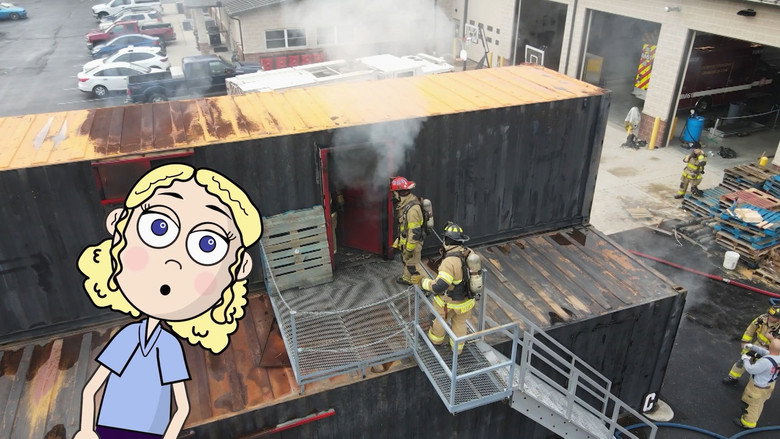
Math plays a key role in safety, science, and farming. Firefighters use elapsed time to respond quickly, while chemical engineers rely on multiplication to create and test solutions for gardens. On a dairy farm, multiplication helps manage production, and in blood labs, professionals round decimals for accuracy. Students see how math supports real-world decision making.
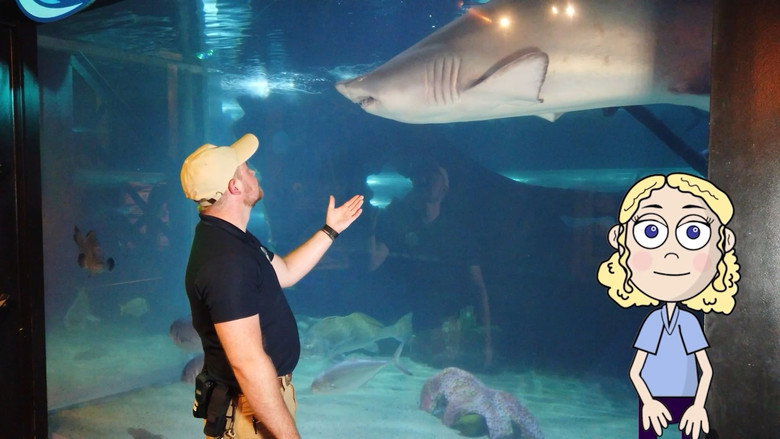
Math helps us measure, build, and understand the world. At the aquarium, volume keeps tanks balanced, while set designers use area and geometry to create stages. Indigenous mounds show advanced geometry through shapes like circles, perimeter, and symmetry, and pediatricians use line graphs to track growth. Students see how math connects to culture, science, and health.
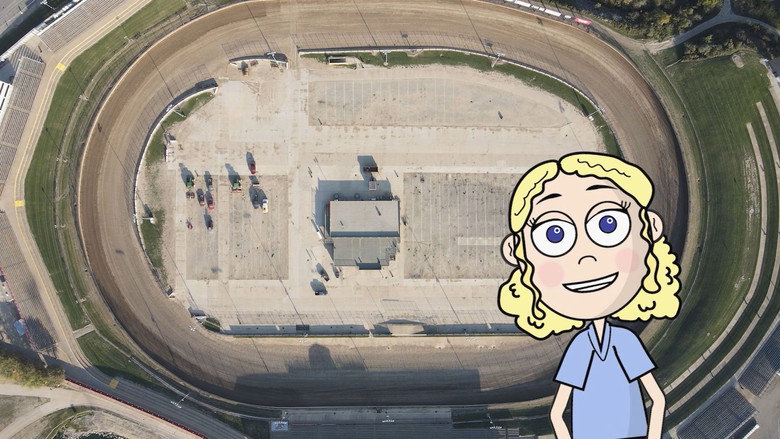
Math keeps systems moving and growing! In logistics, arrays and multiplication help organize shipments. At the racetrack, decimals are used to compare and order speeds and times. In the conservatory, symmetry helps design and care for plants. Students discover how math supports planning, comparing, and patterns in real-world careers.
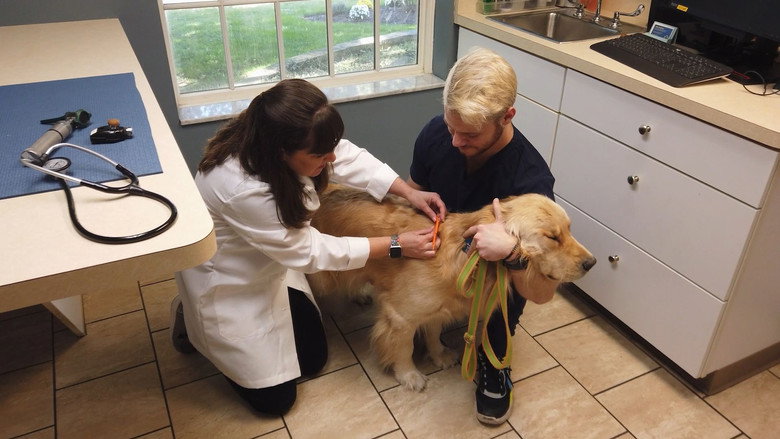
Math supports both creativity and care! At an animal hospital, rounding helps treat pets, while musicians use fractions to create rhythm. Urban designers use geometry, area, and perimeter to plan spaces, and animators use multiplication to calculate frames and bring movement to life. Students see how math shapes both art and everyday life.
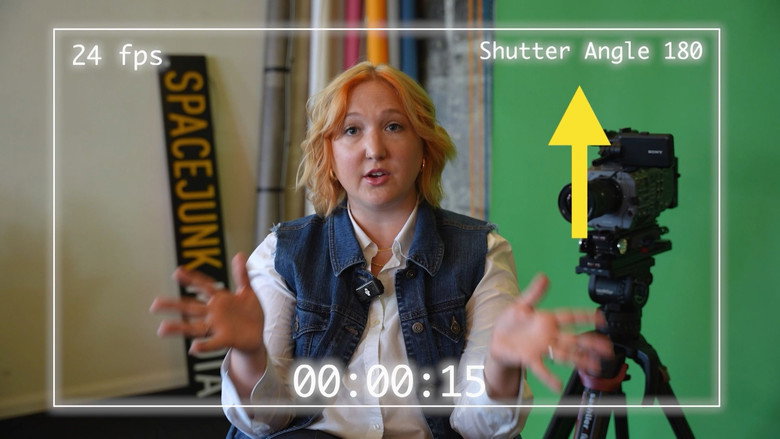
Math helps professionals plan, create, and communicate. Pilots use multi-digit and decimal subtraction to plan flights, while commercial producers work with money and large numbers. Stylists use fractions to mix products, and libraries use bar graphs and data to track ebook usage. Students see how math supports both creative and community careers.
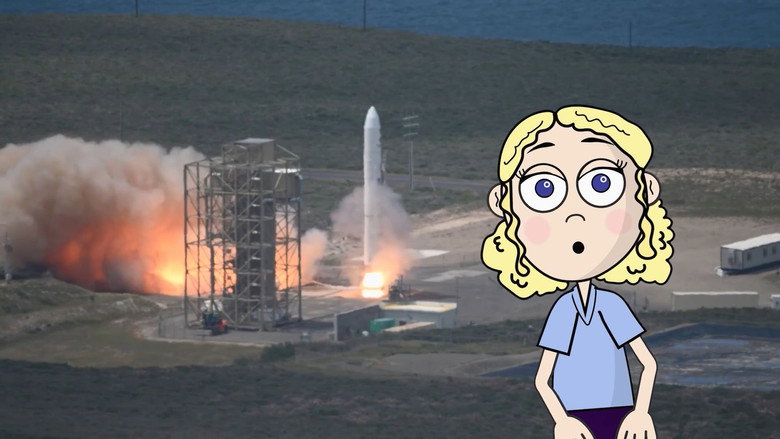
Math powers discoveries beyond Earth! Space Force professionals use large numbers to track satellites, while meteorologists use elapsed time to predict weather. During rocket launches, precise timing is critical for success. Students see how math supports space technology, forecasting, and innovation in exciting real-world careers.