August 27, 2024
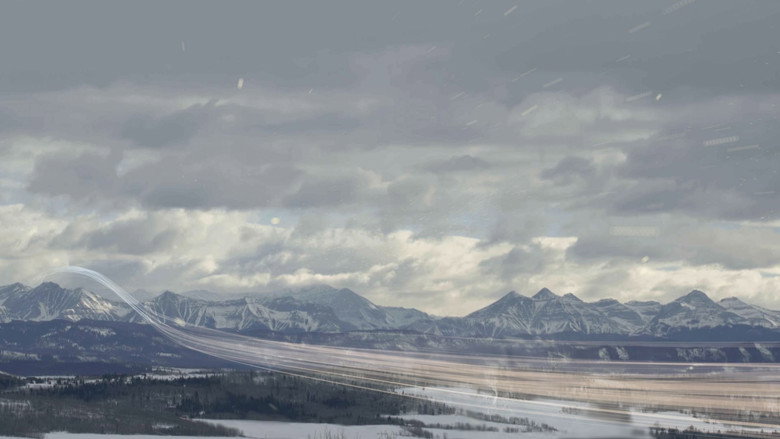
Each winter in western Canada and the US, cold and ice dominate the landscape, but the Rocky Mountains are regularly swept by the Chinook, a warm downslope wind that melts snow, triggers early wildlife activity, and briefly awakens nature before winter returns.
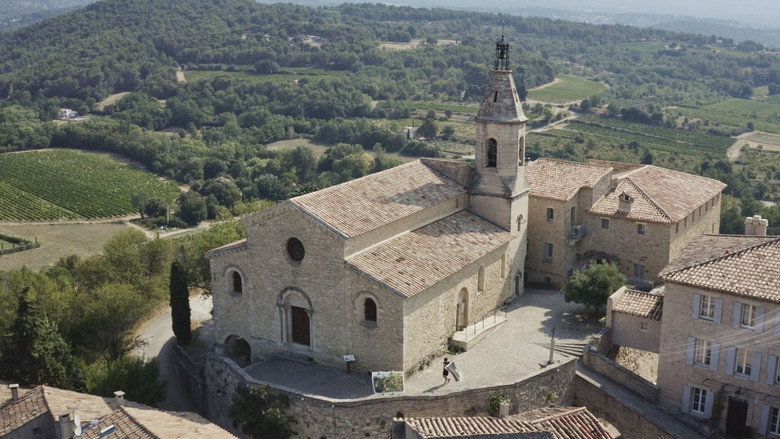
Invisible yet essential, winds shape ecosystems, landscapes, cultures and myths. In southern France, the cold, dry Mistral sweeps through the Rhône Valley, reaching Aigues-Mortes and Mont Ventoux. Both destructive and beneficial, it forces nature and people to adapt to its force.

The trade winds, blowing between the tropics and the equator, enabled early ocean crossings and transformed global exploration. Today they still guide sailors, while also carrying Saharan dust across the Atlantic that fertilizes the Amazon rainforest, sustaining one of Earth’s richest ecosystems.
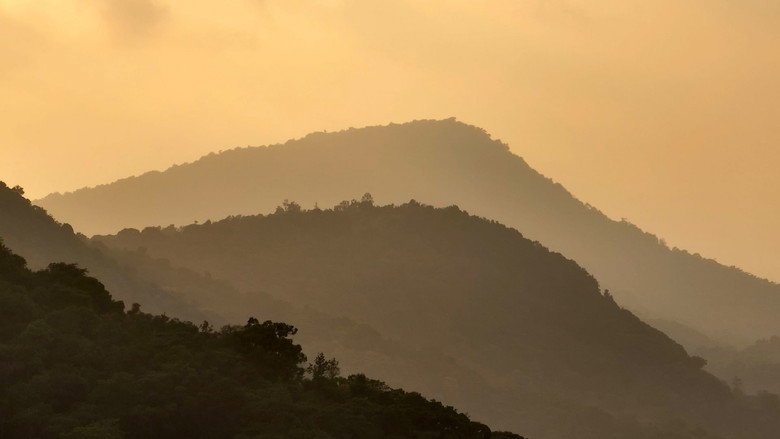
The monsoon travels thousands of kilometers, bringing intense seasonal rains that can trigger devastating floods while sustaining life across the Indian subcontinent. Despite its destructive force, it is eagerly awaited each year, as millions depend on it and entire ecosystems rely on its arrival to regenerate.
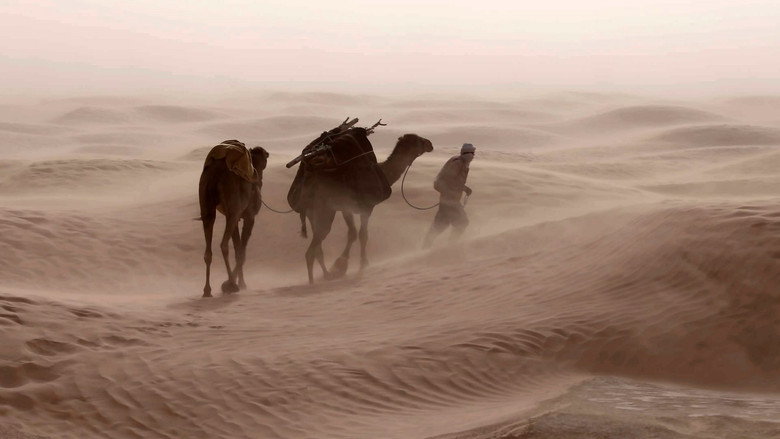
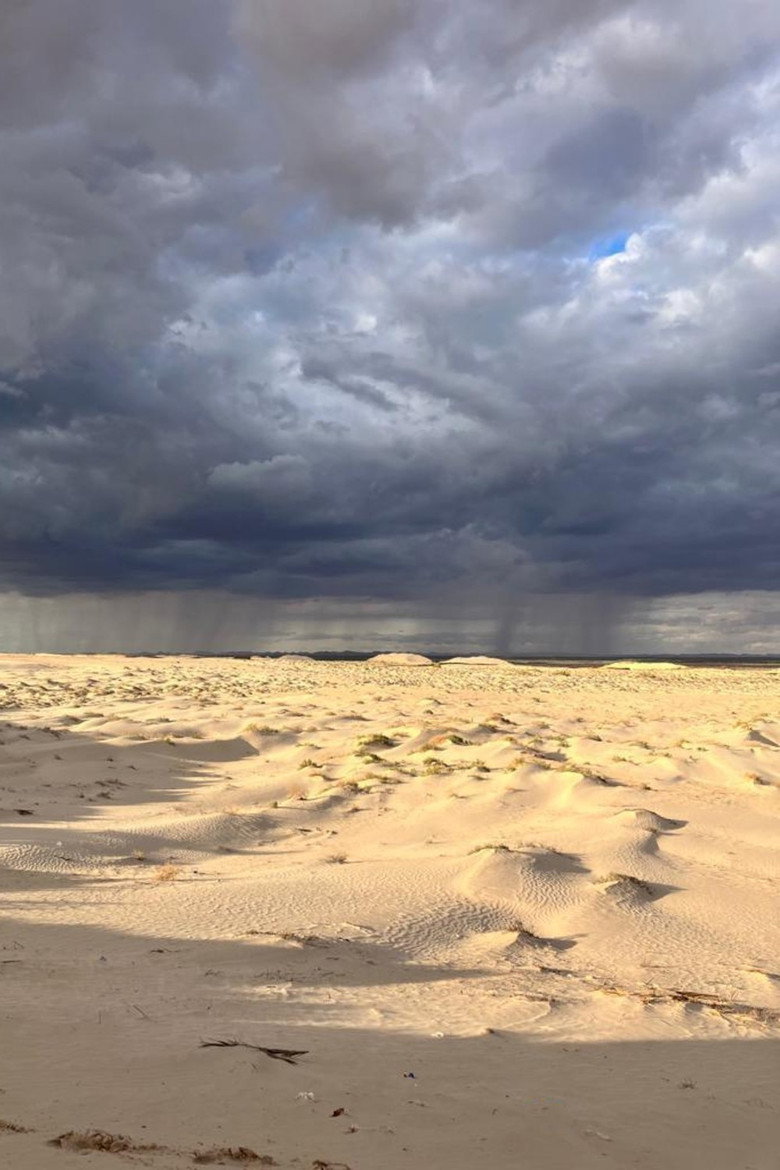
The Sirocco, born over the Sahara, is a hot, dry desert wind that raises temperatures and carries vast amounts of sand, sometimes burying entire villages. Wildlife seeks shelter in the dunes, while nomadic communities have adapted their way of life to endure its powerful and unpredictable gusts.