May 15, 2026
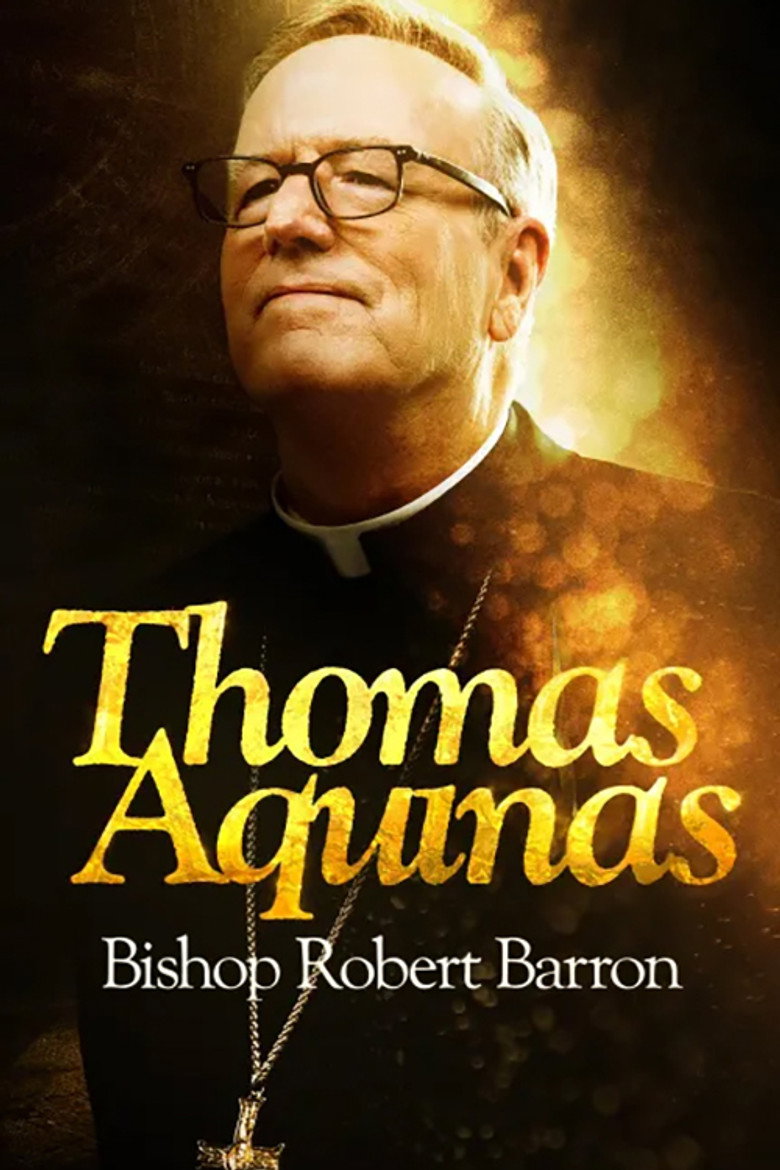
In our introductory lecture, we encounter the life, times, and cultural context of Thomas Aquinas, the 13th-century Dominican friar and theologian who represents the height of medieval scholastic thought. We examine his embrace of Aristotelian philosophy, his formation from a Benedictine monastery to the University of Paris, and his innovative teaching methods through disputed questions that shaped his masterwork, the Summa Theologiae. The lecture concludes with insights into Aquinas’s personal sanctity, including his mystical experiences and his famous declaration that all his writings seemed like “straw” compared to what had been divinely revealed to him shortly before his death in 1274.
In lecture two, we study Thomas Aquinas's approach to God, the central focus of his life. We examine why Aquinas rejects Anselm's ontological argument, preferring empirical proofs drawn from worldly observation. We analyze three of his Five Ways: the argument from motion (showing God as unmoved mover), from contingency (God as necessary being), and from teleology (God as supreme intelligence). Aquinas calls these "ways" not proofs, acknowledging human limitations in comprehending God. Each argument reveals God's present activity in the world, not merely past creation.
In lecture three, Robert Barron explores Thomas Aquinas’s understanding of God’s attributes beyond his famous Five Ways. Through the via negativa (negative way) and via positiva (positive way), Aquinas develops a vision of divine simplicity in which God’s essence and existence are one, making God not simply a being among beings but “ipsum esse subsistens” (the subsistent act of being itself). The discussion concludes by examining God's perfection, goodness, immutability, eternity, and knowledge, demonstrating how these attributes flow from the principle of divine simplicity and reveal God as the ultimate ground of being who draws all creation back to himself.
In lecture four, we learn Thomas Aquinas’s understanding of God’s will and love, showing that God’s will flows from His perfect knowledge of goodness, leading to His self-love and love for creation. We then examine Aquinas's treatment of the Trinity, exploring how he reconciles the unity of God with the revelation of Father, Son, and Holy Spirit through the idea that higher beings can perfectly “replicate” themselves internally. The lecture concludes by presenting the Trinity as three subsistent relations within one divine essence—the Father as mind, the Son as self-knowledge, and the Holy Spirit as shared love—revealing God as love itself.
In lecture five, we explore the doctrine of creation through Thomas Aquinas’s teaching on why God creates despite His perfection and self-sufficiency. Aquinas argues that God creates not from need but from the Platonic principle of “bonum diffusivum sui” — the good is diffusive of itself. We then examine creation ex nihilo (creation from nothing), which reveals creation as a continual relationship with God rather than simply a past event. Bishop Barron concludes by discussing how God as artist creates a beautifully diverse world to display His glory, setting up the next topic of divine providence and the problem of evil.
In lecture six, Bishop Barron examines God’s providence and how God directs the world He created, using the metaphor of an author and a novel to illustrate God’s absolute yet non-competitive relationship with creation. We explore the universality of divine providence, the nature of human freedom as the ordering of desire toward the good, and the problem of evil through Thomas Aquinas’s view that God permits evil only to bring about greater goods that would not otherwise exist. The lecture concludes by examining the Book of Job as a biblical response to suffering, emphasizing that while we cannot fully grasp God's providential design, we are called to surrender in faith to God's ultimate purpose for creation.
In lecture seven, we consider Thomas Aquinas's philosophical and theological anthropology—understanding humanity in light of God—particularly focusing on the complex relationship between body and soul. We trace the historical debate from Plato's dualistic view of the soul imprisoned in the body through Aristotle's more unified approach, showing how Aquinas synthesizes both traditions while remaining grounded in biblical teaching that affirms the goodness of both body and soul. The lecture concludes by discussing the imago Dei—the image of God within us—creating an unlimited yearning for truth and being itself. Bishop Barron shows how this divine image drives our restless quest for God, explaining why humans are fundamentally ordered toward the divine.
In our eighth and final lecture, we reflect on Thomas Aquinas’s ethics as the means by which human beings, created in God’s image, return to God through a teleological framework centered on beatitudo (happiness) as humanity’s ultimate goal. We examine Aquinas’s analysis of wealth, honor, power, and bodily pleasure, showing how each fails to satisfy our deepest longing for God, the true source of beatitudo. The lecture concludes by outlining how the virtues of justice, temperance, courage, and prudence, together with natural and eternal law, order human life toward God and lasting fulfillment. Bishop Barron emphasizes the importance for us to live at the unchanging center of life's "wheel of fortune" rather than on its constantly turning rim.