
March 30, 2026
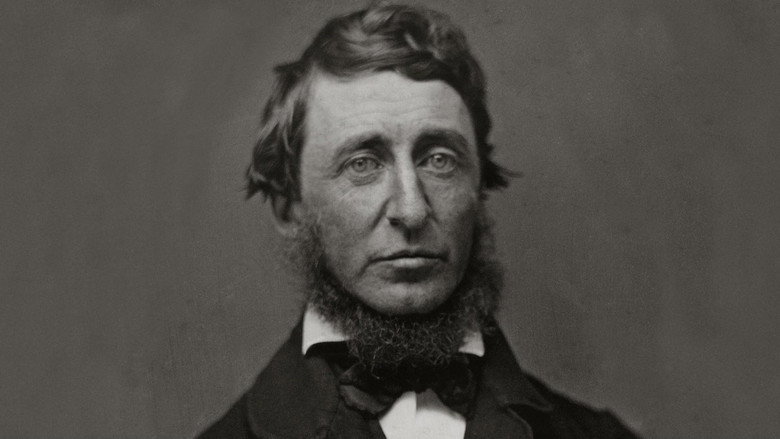
Henry David Thoreau’s early life unfolds as a changing nation struggles to live up to its ideals, while industry threatens the landscape. After attending Harvard College, he was inspired by Ralph Waldo Emerson to become a writer. Then, a family tragedy deepens his bond with nature, and, disillusioned with society, he builds a cabin in the woods to live simply, deliberately, quietly — and write.
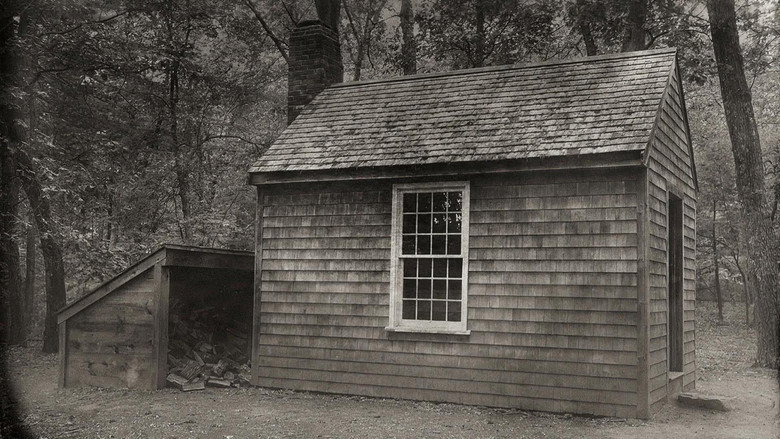
Living at his cabin at Walden Pond, Thoreau finds solace in "wild" nature and pours himself into his journal, laying the groundwork for one of two books he writes there. His two-year stay includes regular trips to town, a transformative journey to Maine, and a night in jail in protest of a government that permits slavery — experiences that redefine his understanding of freedom.

After completing his two-year experiment at Walden Pond, Thoreau returns to society to test what he has learned about living responsibly. He undertakes new “experiments” as a surveyor, scientist, and abolitionist, and takes two more trips to Maine — uncovering even deeper truths about life and the world. He writes with a new urgency as a lifelong illness begins to catch up with him.