August 28, 2024
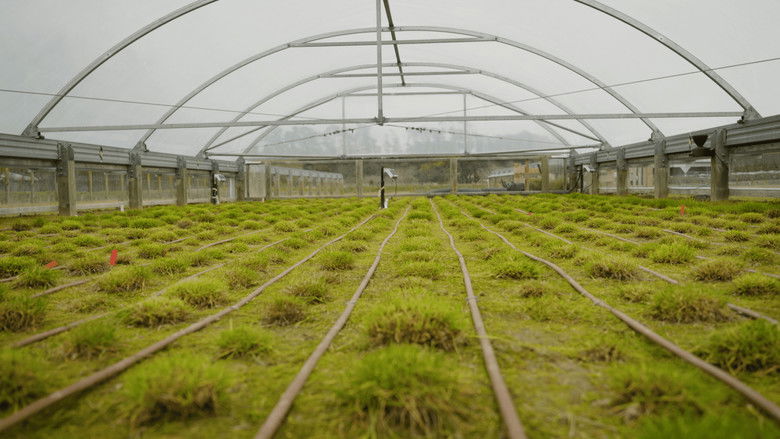
The rapid warming and periods of droughts as a result of climate change will impact our ability to grow food. Researchers are investigating ways that genomics can help safeguard our food security in the future.
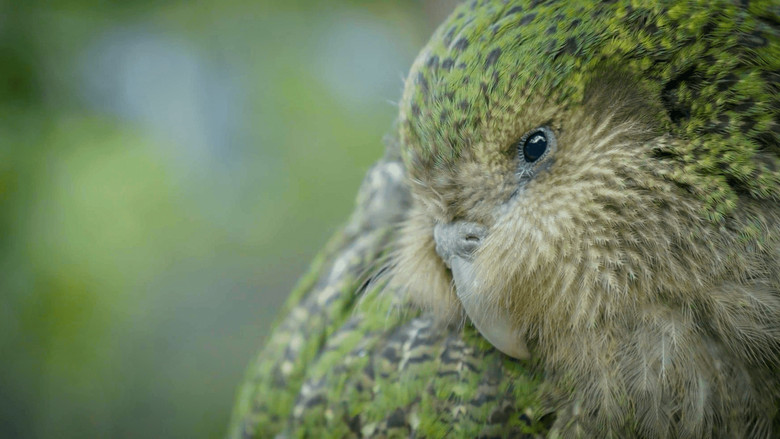
In 2018, the kākāpō became the first species in the world to have its entire population’s genomes sequenced. How is the information being used today to help conservation?

Around 25,000 people are diagnosed with cancer each year in Aotearoa. Learn how genomics can help us detect cancer sooner and treat it more precisely.
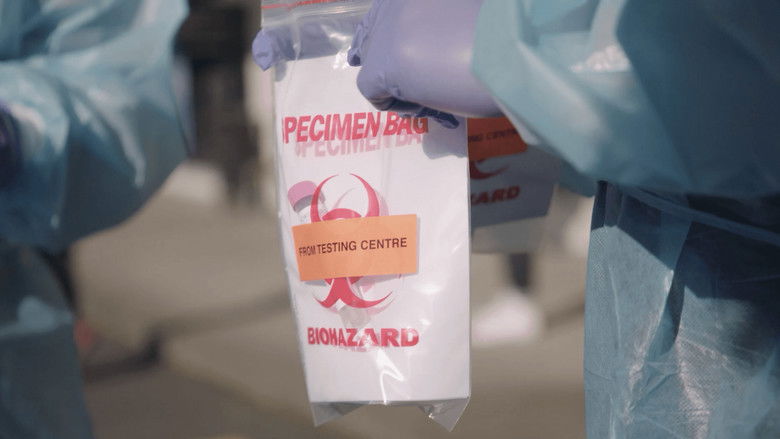
During the Covid-19 pandemic, New Zealand researchers led the way in how to sequence the virus and in figuring out transmission puzzles.
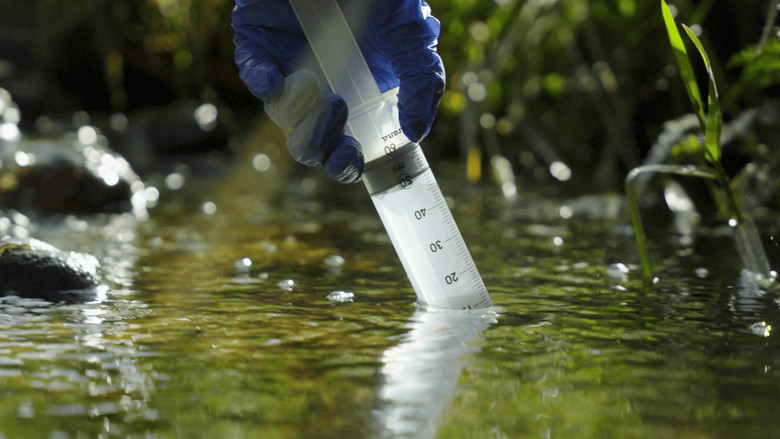
Living things leave tiny traces of DNA as they move around their environment. Now scientists can determine the quality of a waterway by using e-DNA to see who lives there.
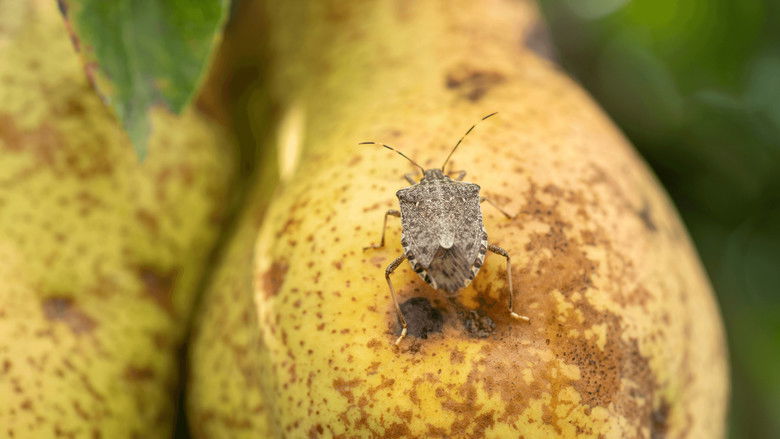
New Zealand is constantly battling pests and predators that have become well-established, while trying to safeguard our country from a wide range of new threats. Could genomics provide us with new tools to keep our native flora and fauna safe from invaders?