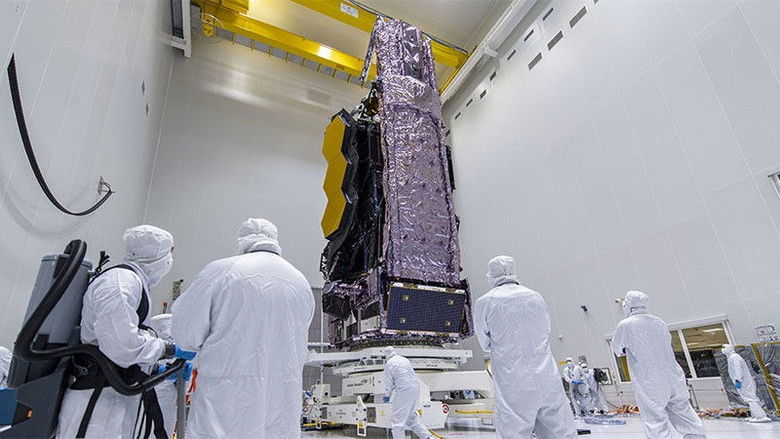
01. The James Webb Telescope: Beyond Hubble
The world's most powerful telescope launched on December 25 to explore the origins of the universe. The new James Webb Space Telescope (JWST) was successfully launched on December 25, 2021, from the Guiana Space Centre in Kourou. Featuring a primary mirror 6.5 meters (21.3 feet) in diameter, JWST is the largest space telescope ever built for a scientific mission. One hundred times more sensitive than its predecessor, Hubble, it promises significant breakthroughs in galactic physics and the study of exoplanets.
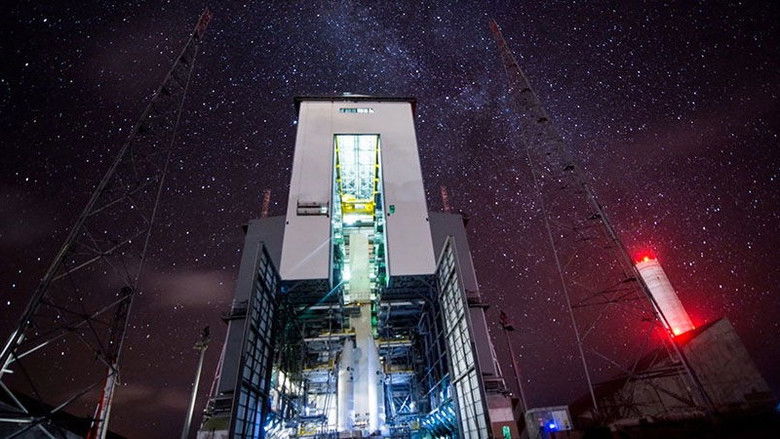
02. Highly Strategic Launch Vehicles
The superpower competition in space began with the dawn of space exploration. Today, it continues with the race for new launch vehicles. Rockets and exploration programs represent major geopolitical stakes. However, given the resources required, international collaboration is essential. The Chinese have announced a partnership with Russia for their 2030 lunar base project—a direct challenge issued to the United States.
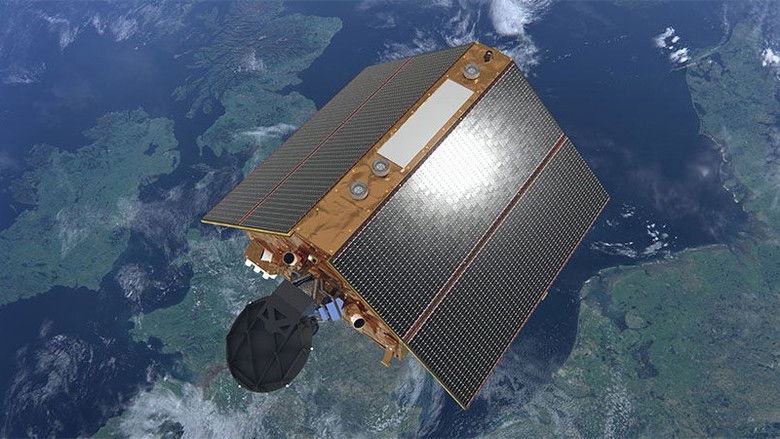
03. Climate Monitoring Satellites
The Copernicus program uses its satellite constellation to collect ultra-precise data on climate change. ESA’s Copernicus program represents an investment of roughly 7 billion euros and generates petabits of data to model future climate shifts, primarily through the Sentinel-6 satellite, which has been operational since June 2021. This highly sophisticated spacecraft specifically measures sea-level rise, and its initial findings confirm a deeply concerning trend.
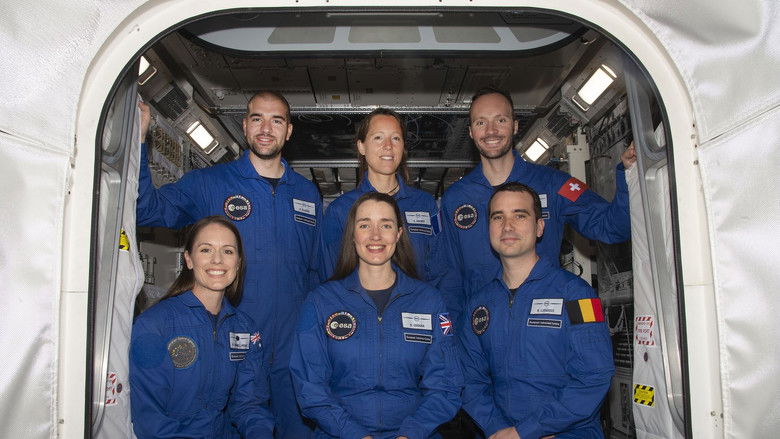
04. Europe's Next Generation of Astronauts
Sophie, Pablo, Rosemary, Raphaël, and Marco are the ESA astronauts appointed through a lengthy selection process, whose exciting time at the European Astronaut Centre in Cologne began in April 2023. Initially, they will undergo training for stays on the ISS, but later they will also be prepared for a medium-term lunar mission and potentially even beyond that, meaning a mission to Mars!
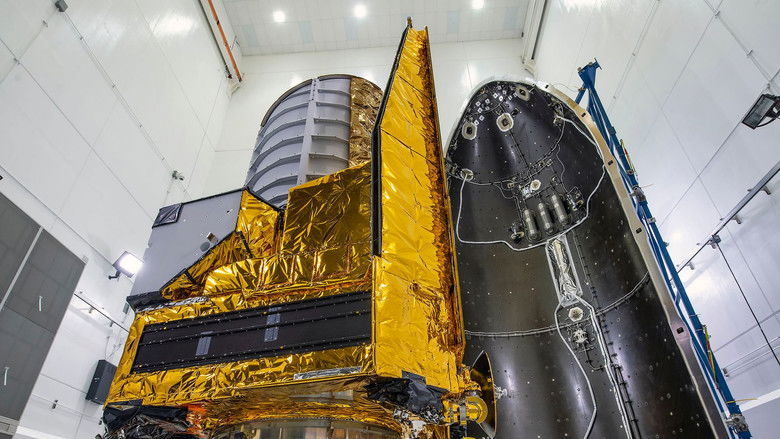
05. ESA's Euclid - Exploring a Dark Universe
The European probe Euclid took off successfully on 1 July 2023. Its objective is ambitious: to attempt to solve the enigma of dark matter and above all dark energy, which make up 95% of the universe.
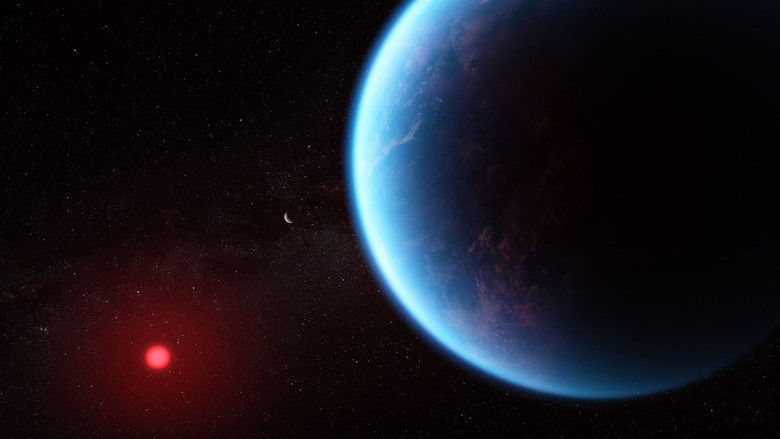
06. James Webb: In Search of Life in Space
In only one year of operation, the James Webb Space Telescope has revolutionised the way the universe is observed. Images of protostars, the birth of galaxies, unprecedented information about exoplanets... the data collected will fuel astronomical research for many years to come.
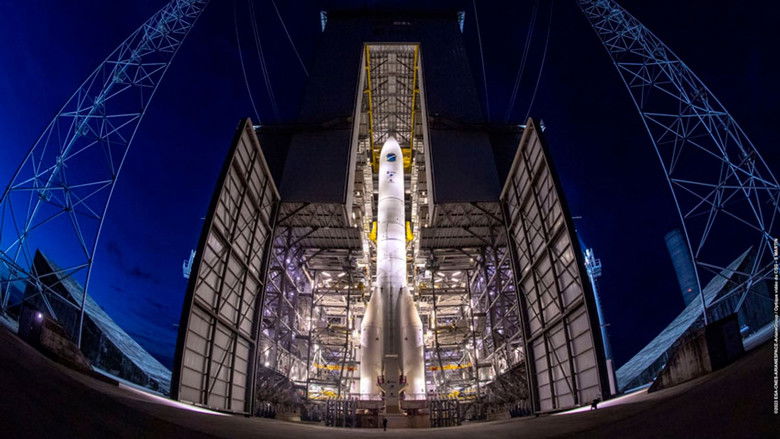
07. Ariane 6: A Cutting Edge Launch System for Europe
Ariane 6 is Europe’s new launch system, set to begin service in summer 2024. After a four-year delay, the ESA hopes the new system, which represents an enormous technical challenge, will take off without a hitch.
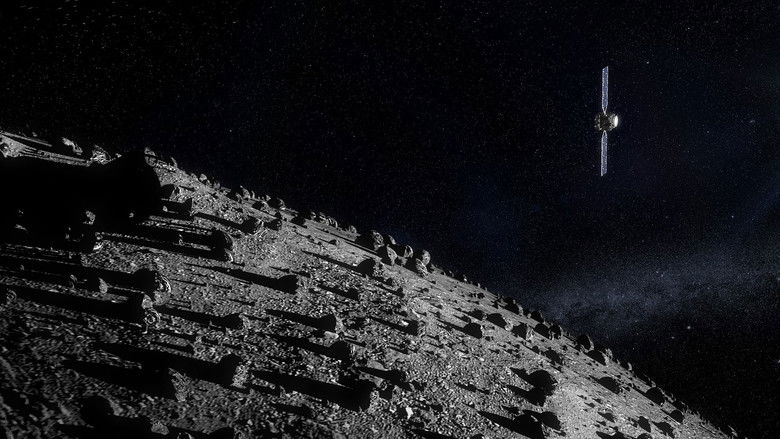
08. Hera: Planetary Defence
On 26 September 2022, NASA's Dart probe successfully collided with an asteroid, deflecting it from its trajectory. The ESA-led Hera probe will study in detail the result of the impact and the properties of the asteroid.