
Takes place several years after the events of Introductory Chapter. Haruki Kitahara is now a university student, living what appears to be a stable and socially acceptable life. The emotional fallout of the past has been buried rather than resolved.
As Haruki reconnects with people from his high school days, unresolved guilt and emotional contradictions begin to resurface. Unlike Introductory Chapter, Closing Chapter introduces branching routes, each representing different ways Haruki avoids, compromises with, or rationalizes his past choices.
The narrative focuses on emotional stagnation, self-deception, and the consequences of choosing comfort over honesty. Rather than confronting the core wound left behind in high school, Closing Chapter explores what happens when a person tries to move forward without truly facing their past.

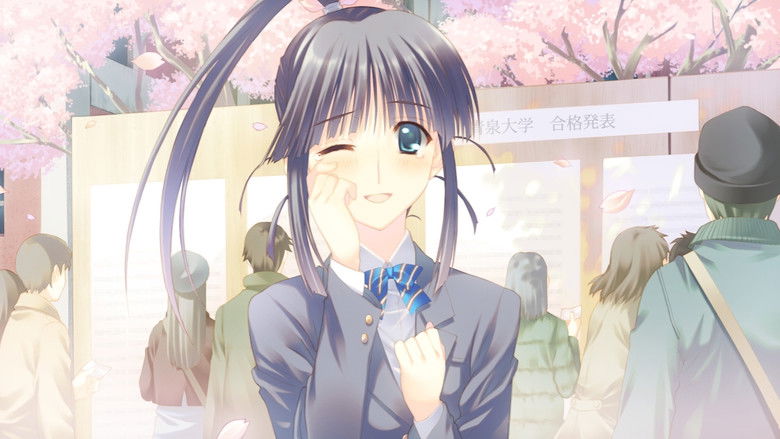
A chance reconnection with Chiaki Izumi draws Haruki into a relationship marked by playfulness and emotional misdirection. Beneath the teasing and casual intimacy lies a deliberate distance, as both use irony and detachment to avoid confronting their genuine feelings.

Haruki’s quiet routine begins to shift when he grows closer to Koharu Sugiura, a sincere underclassman whose straightforward feelings contrast sharply with his emotional stagnation. Through their connection, Haruki is confronted with the possibility of starting anew—while the weight of his unresolved past continues to cast a long shadow.

Haruki becomes involved with Mari Kazaoka, an older and emotionally distant woman whose composed exterior masks her own vulnerabilities. Their relationship unfolds through restraint and hesitation, exposing a fragile connection built less on passion and more on mutual avoidance of deeper truths.

Years after high school, Haruki Kitahara settles into a seemingly stable relationship with Setsuna Ogiso. Choosing emotional safety over unresolved truth, the two maintain a quiet, functional bond—one shaped by patience, compromise, and the lingering weight of what was never confronted.