June 19, 2025
Miniseries
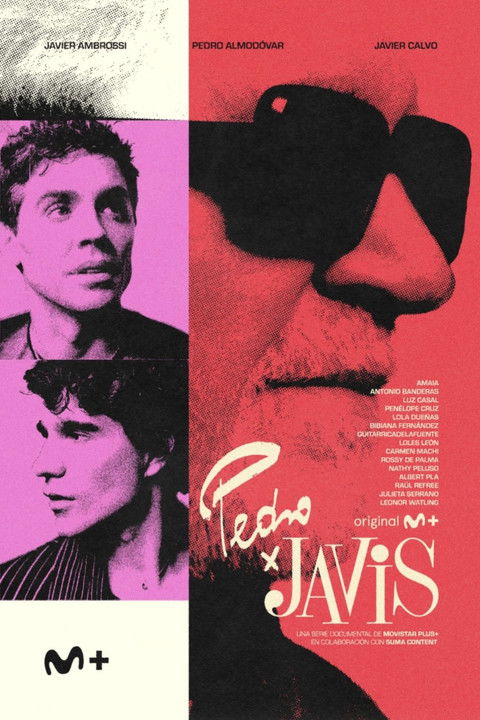
A three-part review of Pedro Almodóvar's life and filmography, tracing his path from La Mancha to global filmmaking prominence and examining recurring themes that define his cinematic vision.
A three-part review of Pedro Almodóvar's life and filmography, tracing his path from La Mancha to global filmmaking prominence and examining recurring themes that define his cinematic vision.

Women have been fundamental in Almodóvar's cinema and life: "I owe my first education to them... And the fact that my films are full of very strong, fighting, omnipotent women, born survivors, comes from that generation which is my mother's generation." Almodóvar speaks with Javier Calvo and Javier Ambrossi about the importance of friendship in his life and in his female characters, and reflects on the profound influence of his mother. Motherhood, a recurring theme in much of his filmography, has been portrayed in all its facets.
Desire is the driving force behind many of Almodóvar's characters, and the law, their only boundary—one they often cross. Calvo and Ambrossi talk with the director about the power of his films and the social change he has fostered and reflected.
“I think my fear of death comes from my atheism and so, well, to fight against the idea of death I have made films.” Calvo and Ambrossi talk with Almodóvar about how cinema has become his way of life and his way of conjuring away the fear of death, a constant fear that has evolved over time in his characters and films: from violence and murder to illness and reflection on how to choose the best death. In this struggle against death, Almodóvar reflects on his career and the need to keep filming. Calvo and Ambrossi ask him about his favorite films and which of his works he would choose from his entire filmography. José Luis Alcaine and Alberto Iglesias reminisce about their first collaborations with the director and how their perspectives converged in his creative universe.