January 6, 2026
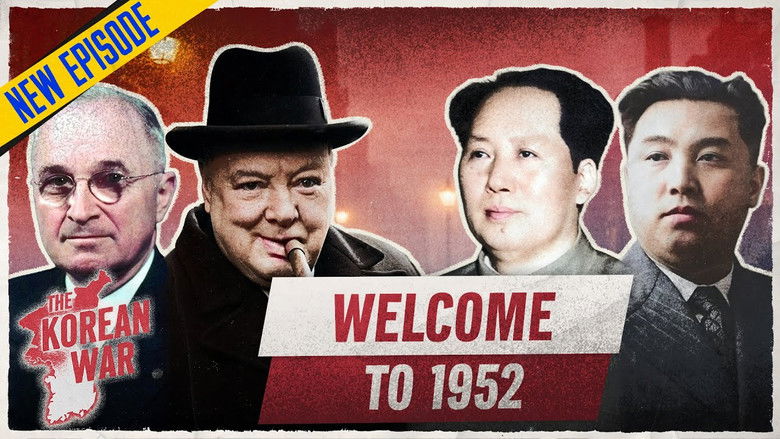
The year may have changed, familiar faces come and go, but some things remain the same. The POW issue continues to dominate and frustrate armistice talks, the fear of an expanded war in Asia re-emerges, and the snow remains cold. The war found no end and no pause in either 1950 or 1951, but third time's the charm, surely?
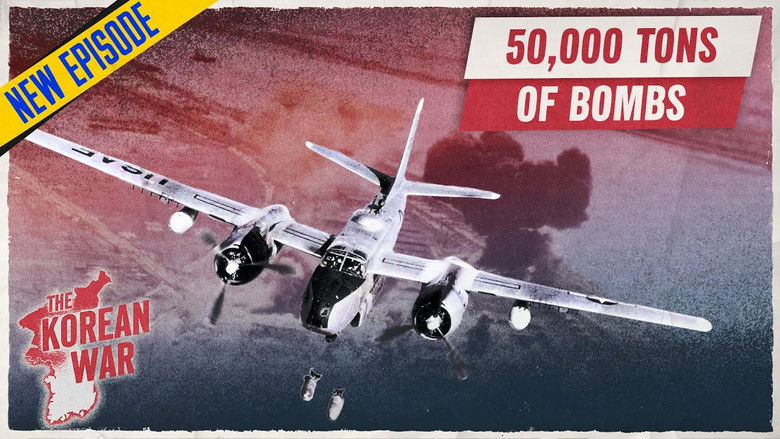
Operation Strangle, to destroy enemy logistical capability with air power, has been in progress for months now, and yet the enemy is still able to bring up men and supplies, and even slowly stockpile them for possible future offensives. The UN position now is that should there be an armistice, and should the other side break its terms, retaliation would be broader and would include actions against Communist China, but will the UN have the force to do such retaliation? That is the question.
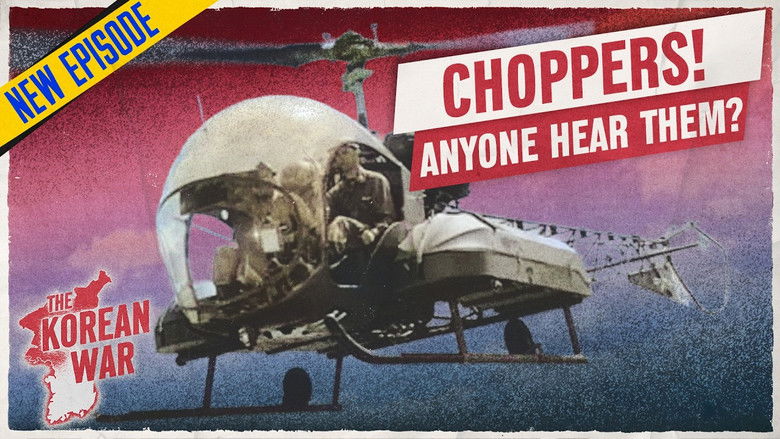
There's discussion- and disagreement- in UN Command and Washington about whether or not to poll all the POWs the UN side holds to see where they would like to go should they be released. There are arguments for and against this, and it brings up a couple different interpretations of the Geneva Convention. This week we also talk a lot about recent medical advances in field medicine in Korea, and the development of the 'Medics' War'.
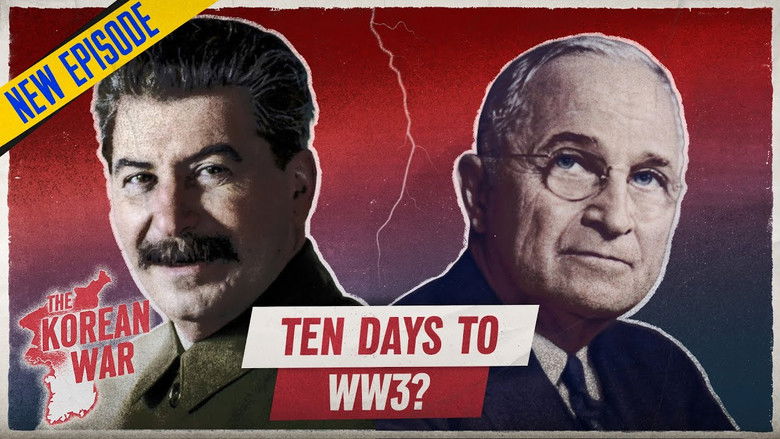
Things heat up in the Panmunjom Peace Talks, which each side arguing that the other side's proposals violate the Geneva Convention, but by the end of the week they talks are in recess. Naval aircraft pound the North Korean infrastructure all week long, though, and US President Harry Truman has a few things to say about the Soviet Union that the world may wish to hear.
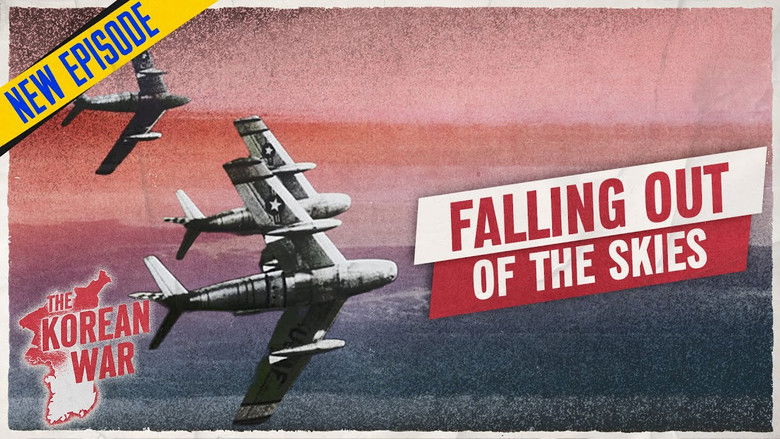
The UN forces are by now having trouble just keeping their planes in the skies, thanks to shortages of spare parts, so for long can they maintain aerial supremacy over Korea? And though the aerial campaign to destroy North Korean infrastructure has been stepped up, so too has the enemy's ability to quickly rebuild. And at the armistice talks, the big issue this week is which countries will form inspection teams after an armistice, and who might be out of the question. The Soviets?
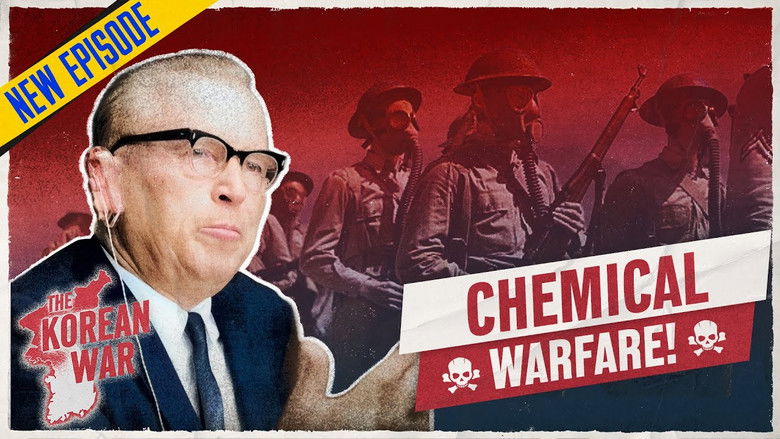
An astonishing accusation about chemical weapons by Soviet diplomat Yakov Malik dominates headlines this week, as the POW issue continues to plague ceasefire negotiations. But those are far from the only developments this week. Elsewhere, overcrowding, poor conditions, and lack of firm control escalate tensions at the UN's Koje-do POW camp, perhaps beginning to precipitate unpredictable and dangerous results...
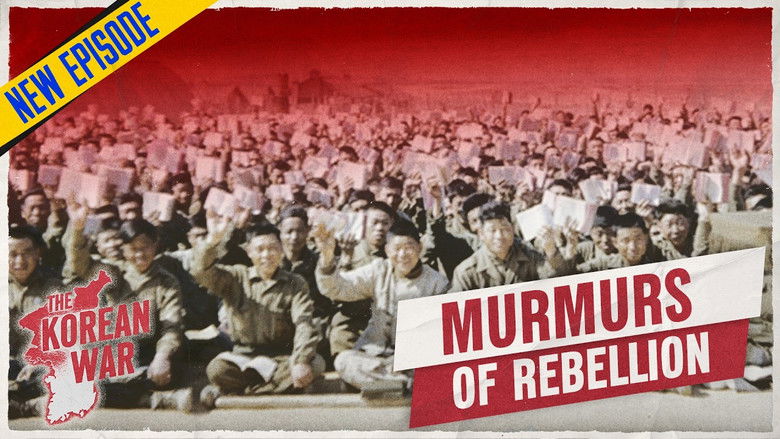
UN forces kick off this week with an operation to ensnare and capture North Korean and Chinese patrols, as significant progress is made elsewhere at the armistice talks. Prisoners really do seem to be the focus of the week, as rumblings of discontent continue to build at the POW camp on Koje-do island as UN control of the camp slips a little more each day. Just what is happening inside Compound 62 there? And do UN forces have a hope to stop it?
The tensions at Koje-do POW camp explode this week, ending in heavy bloodshed as UN forces desperately try to wrestle control of the situation. Changes will need to be made to counter the growing threat of disorder, and fast. Elsewhere, the Communist forces are on the attack this week, both in the field and through diplomatic channels, as a naval invasion of Yang-do launches and accusations of biological weapons ramp up.
The UN is not just worried that the Communists have strong air power, they're worried that because they can't produce more jets quickly enough, the Communist advantage in the skies will soon become insurmountable, but they at least have plans to try and stave that off. They also have plans for rotating in fresh troops, but those plans have stumbling blocks of their own, as do the negotiations about who might be part of a post-armistice supervisory team, specifically the USSR, whom the US does not see as 'neutral' with regard to this war.
Ultimatums and blackmail! Well, sort of. US President Harry Truman is trying to strong arm South Korean President Syngman Rhee into accepting any armistice negotiated, but the armistice talks are taking forever, so there are those who wish to simply give the Communists a take it or leave it ultimatum. What might such an ultimatum be? Find out this week!
There's tension between Allies as the ROK economy worsens and worsens, part of the problem being caused by all the South Korean currency printed to respond to the demand for it by the UN forces to buy 'stuff'. Inflation is growing by leaps and bounds. However, at least some tension between enemies lessens, as one more point of the agenda at the Panmunjom Peace talks is settled.
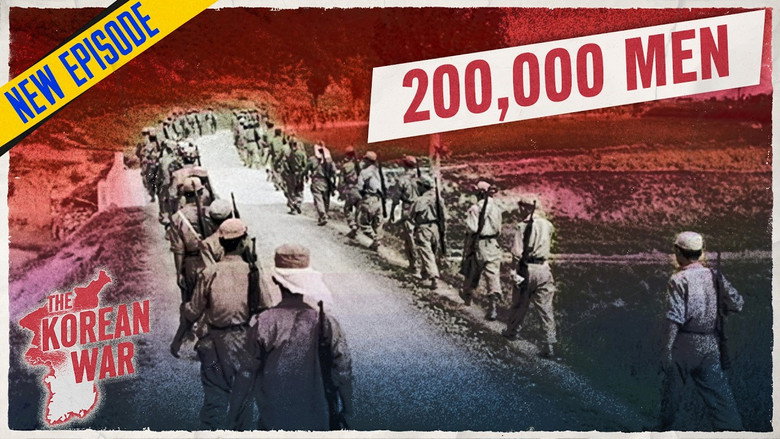
The UN forces begin a huge operation to move the US 1st Marine Division to new defensive positions far to the west of the former ones, but this involves moving some 200,000 men back and forth along the lines. Behind the lines, the ROK continues building up force trying to turn itself into a well equipped and trained modern army, and above the lines the tech war marches on as the UN premieres a new night fighter.
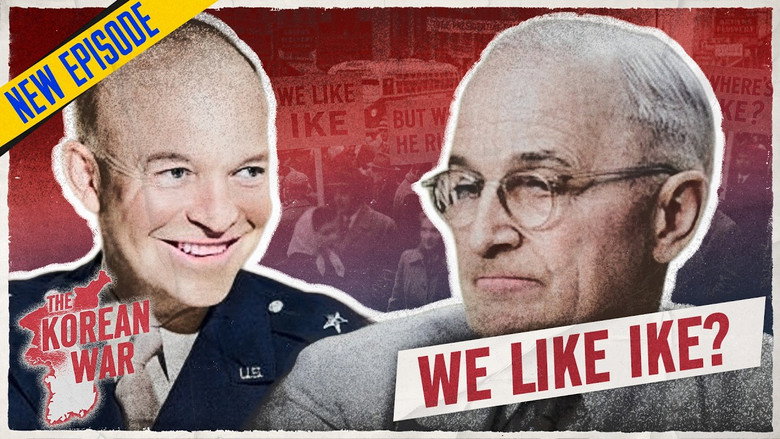
A surprise announcement this week leaves the US wondering just who is going to run for President- the election is this fall. Whoever does run and win, it can't help but have an impact on this war. As for what's going on in the war, Operation Mixmaster winds up, having moved the US 1st Marine Division far to the west along the front lines. The operation was a success, but there are a host of new dangers to deal with in the new defenses. Operation Saturate goes into action- this is another aerial interdiction campaign against Communist logistics, but early results are disappointing, and the future composition of the South Korean armed forces because more and more an issue of contention.
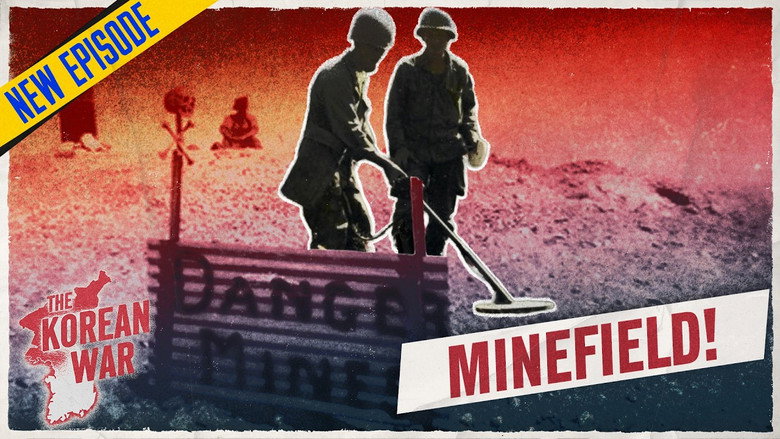
In order to try and make some progress on the thorny issue of POW repatriation, the UN offers to screen all the POWs they hold to get an exact number of who refuses to be sent back. The Communists agree and the plans are put in motion. Plans in the field are finishing up, with the US 1st Marine Division having moved to new positions in the west, but they now have to deal with the unforeseen issue of thousands of landmines. They did not see that coming.

US Marines begin to make contact with their Communist Chinese adversaries in their new position in the west of Korea, but a more insidious issue is beginning to threaten the UN war effort: dwindling stockpiles of ammunition. In fact, two-thirds of the US army's procurement budget is going exclusively to ammunition, but production lag - the time between paying for something and actually getting it - is putting Eighth Army operations at risk. Elsewhere, POW screening begins, with results that might throw a wrench into the painstakingly negotiated armistice terms back at Panmunjom.
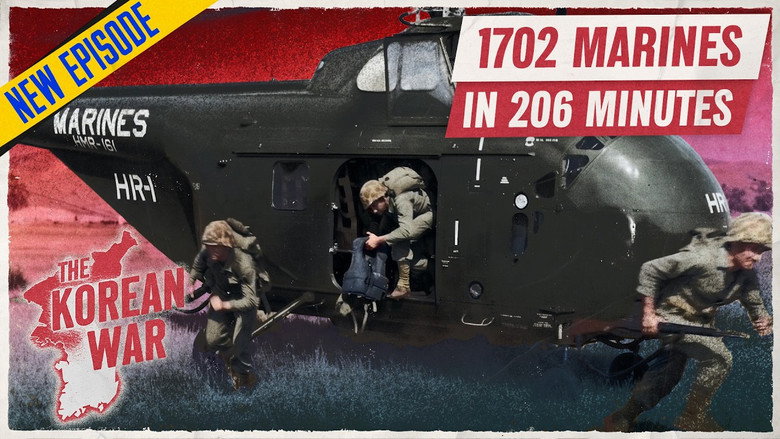
UN Command completes its screening of the 170,000 military and civilian POWs they hold to see how many of them would violently resist repatriation, and it turns out it's most of them. The Communists are furious. This cannot be good for the armistice negotiations. We also take a look at the defense possibilities the Marines have in their new positions and which Chinese forces oppose them.
There is what should be major news this week as the UN gives the Communists a peace proposal package at long last that addresses the remaining three issues to solve. It does not seem that it will be accepted by the Communist side, though, with the only sticking point being the issue of POW repatriation. There's also still more unrest and protest at Koje-Do POW camp. And it looks like we'll be getting a new UN forces commander, since Matt Ridgway will soon head to Europe to take over NATO command there.
At the end of last week the UN presented a peace package proposal to the Communists at the peace talks, but that package has been rejected. The only issue still left to clear up is that of POW repatriation, but that seems insurmountable, at least for the time being. In the field, there are ambushes, skirmishes, and night patrols, but still no larger scale actions, and the temperature at Koje-Do POW camp continues to rise and rise, perhaps nearing a boiling point.
The world turns it's eyes to the UN POW camp at Koje-Do island when the Communist POWs in one of the compounds kidnap the Camp Commandant, an American General no less, and issue demands that they say must be met before his release. Can this be settled diplomatically, or is the army going in in force?
Mark Clark is the new UN Commander and will run the war in Korea, replacing Matt Ridgway, who leaves for Europe to take over NATO Command. The Koje-Do POW camp situation is resolved, but is a black eye for the UN, as are the allegations that the US has been practicing germ warfare in Korea and Manchuria, backed up by 'confessions' from captured American airmen.
In the wake of the kidnapping of the Koje-Do POW camp commandant, UN Commander Mark Clark is busy really working on expanding security at all the POW camps in Korea and gaining total internal control of them. However, the damage done to the UN's global reputation by the whole incident is considerable, and at the negotiating table the Communists denounce the UN and UN Chief Delegate Turner Joy leaves his post to return to the states. The war in the field goes on as always, with the Philippine Battalion Combat Team seeing success in the field.
The Chinese continue their campaign of accusing the US of practicing germ warfare in North Korea and Manchuria. Meanwhile in South Korea, Syngman Rhee has declared martial law in Pusan as part of his campaign to remain in power.
The US 45th Division launches Operation Counter in the field this week, to take some enemy outposts, Bull Boatner finishes his plans for his operation to take total control at Koje-Do POW Camp, and in the US, the Presidential primary season finishes, though it's still anybody's guess who the actual Democratic and Republican candidates will be.
The saga of Koje-Do POW camp comes to its end this week after Bull Boatner's troops crack down hard and finally take full control there. Operation Counter continues with fighting for Hill Eerie, and South Korean President Syngman Rhee is stirring up so much trouble that the US is considering intervening in South Korean politics to stop him.
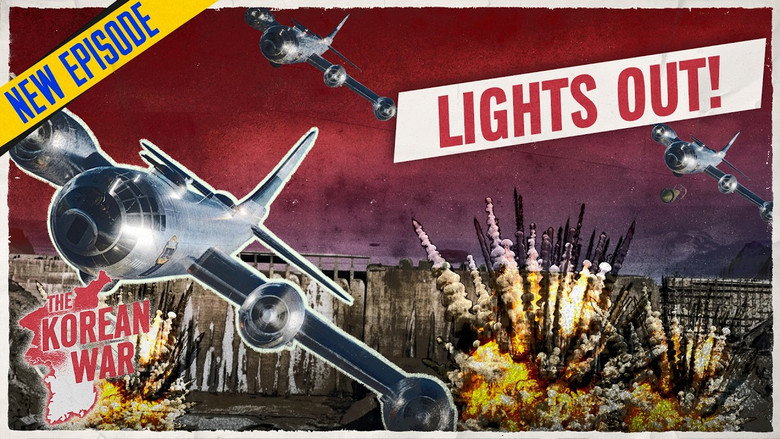
Since the beginning of the war UN air power has studiously avoided hitting North Korea's hydro-electric complex, since the power the dams provide is mainly for civilian use, but that changes this week! Meanwhile on the ground, the focus has turned to capturing Communist POWs for information, but that task has suddenly proved impossible now that the UN POW camps are firmly back in UN control, and it seems the Communists now prefer even death to capture.
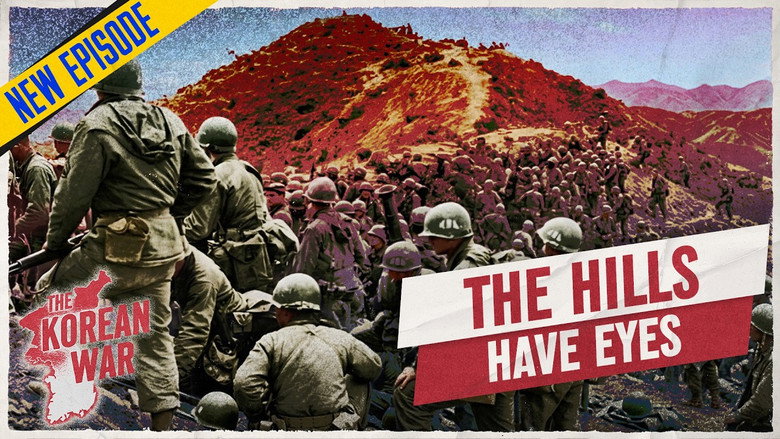
On the ground, the fight for the hilltop they call 'Old Baldy' really heats up this week, and it's a bloody one. In the air, the bombing campaign to destroy the North Korean hydro-electrical complex continues, and the Suiho dam, one of the world's largest, is put out of action and the power is out across much of the country.
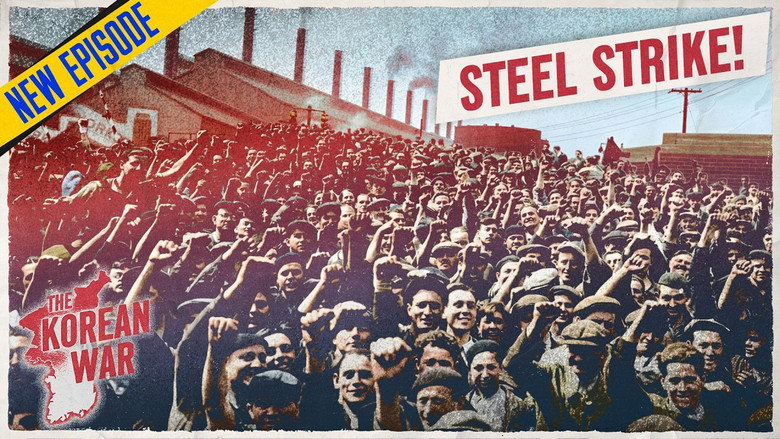
The US Steelworkers Union strike enters its second month this week with no end in sight and the lack of steel production is affecting the war, worsening what is already an artillery shell crisis. President Harry Truman even considers taking over the steel industry to salvage the war effort. In South Korea, the constitution is amended to allow direct popular Presidential elections rather than the President being chosen by the National Assembly and in Chicago, at the end of the week the US Republican Party Convention begins, with Douglas MacArthur giving the keynote address.
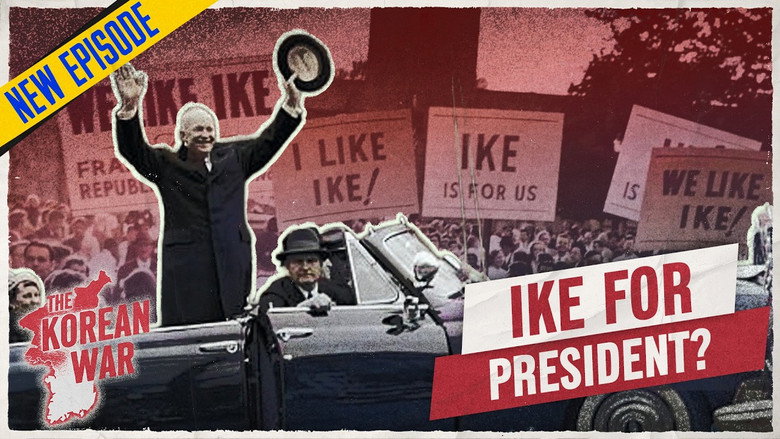
n Chicago, the US Republican Party Convention comes to its end and they have chosen Dwight "Ike" Eisenhower as their Presidential Candidate. Part of the official platform is ending the Korean War. The war continues, of course, with a new UN operation designed to take prisoners, massive aerial bombing of Pyongyang, and the build up of the South Korean Army- the ROKA- to one day hopefully take over from the UN forces.
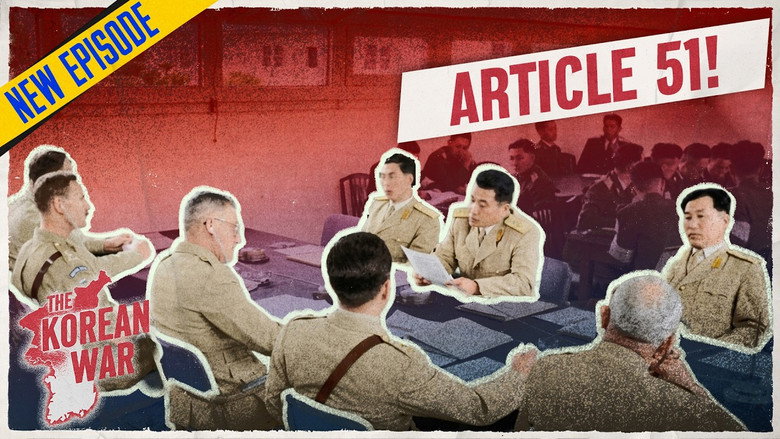
There's only one thing left at the Panmunjom Peace Talks standing in the way of an armistice- Article 51. However, this article deals with the release of POWs and the two sides have very different interpretations of it. The UN is however, currently releasing all the civilian internees they hold. In the field, the fighting for Old Baldy flares up again as the Chinese attack, and an anti-guerrilla campaign comes to its end.
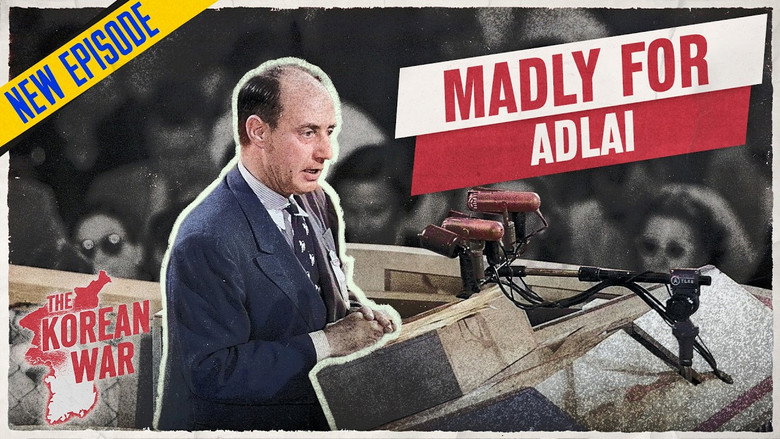
In Chicago, the Democratic Party chooses Adlai Stevenson as their candidate for the Presidential election to be held November 4th; he'll square off against Dwight Eisenhower, the Republican candidate. Also, in the US, the steelworkers strike comes to an end. In Korea, torrential rains prevent action on the ground this week, though the UN continues its summer aerial bombing campaign of the north in the skies.
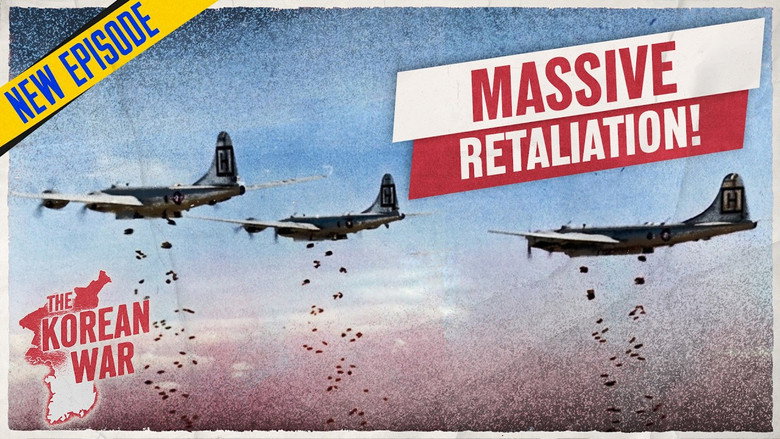
The UN conducts a massive bombing raid on the North Korean capital Pyongyang this week, and in the field, the bloody fight for Old Baldy continues. Behind the scenes, though, Presidential Candidate Dwight Eisenhower's foreign policy guy John Foster Dulles is advocating for massive retaliation- in Korea and beyond- against all Communist states, to do more than simply 'contain' them.