April 9, 2026
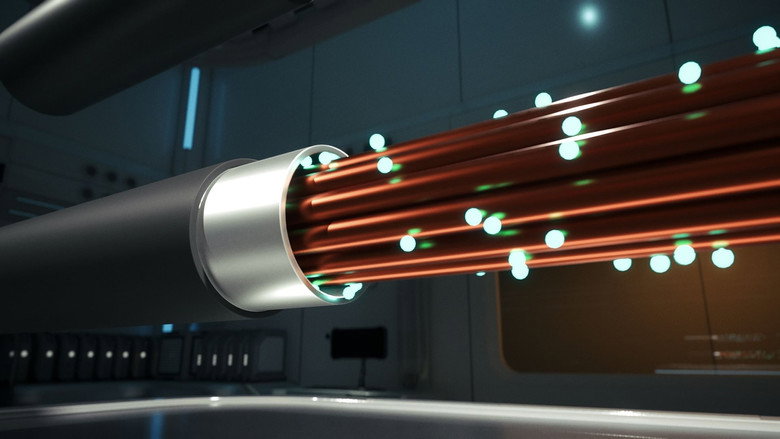
Nanotechnology enables us to manipulate matter at an incredibly small scale. This episode traces its evolution from early concepts to today’s breakthroughs, revealing how these technologies are already transforming everyday life in electronics, energy, medicine, and many other fields.
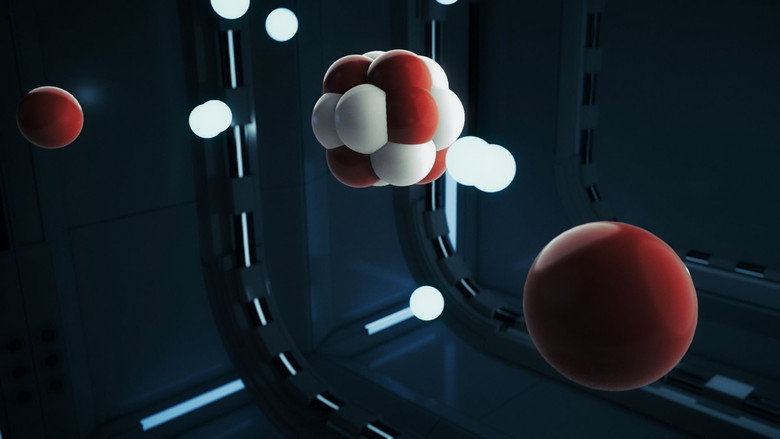
This episode explores the history of materials, from ceramics and metals to alloys, concrete, Bakelite, and plastics. It shows how these innovations have shaped societies and examines how bio-based and smart materials could help address today’s environmental, technological, and societal challenges.
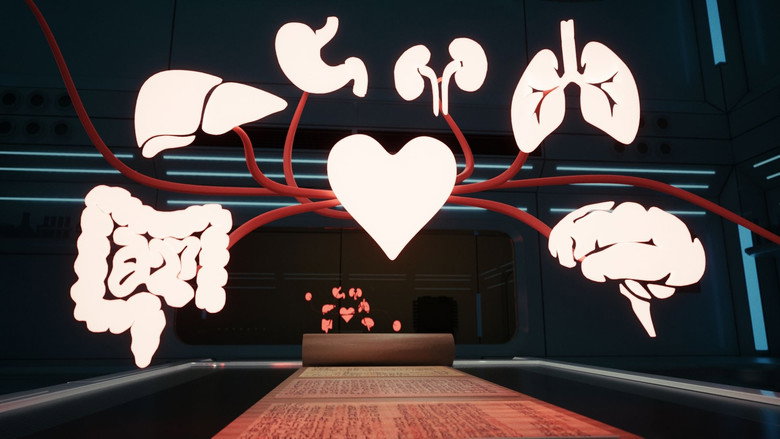
This episode traces the discoveries and misconceptions that shaped our understanding of blood circulation, from Hippocrates to William Harvey’s groundbreaking description of the circulatory system. It also explores the discovery of blood groups and the medical advances it enabled, from safe transfusions to major breakthroughs in modern medicine.
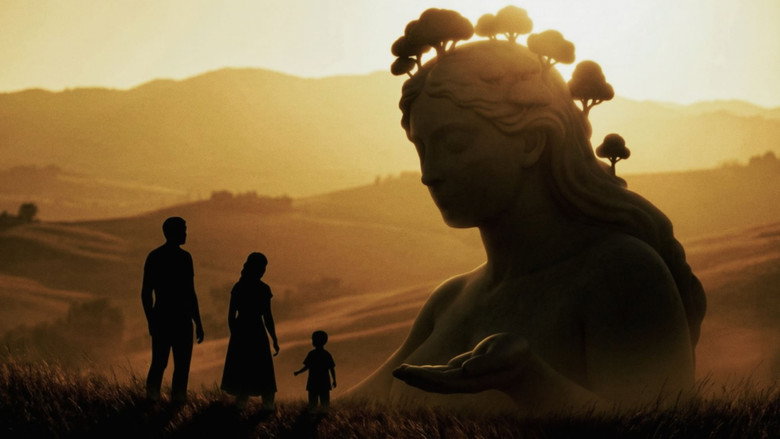
Early 20th-century radiometric dating revealed the Earth's true age for the first time, showing it is over 4 billion years old, far beyond earlier estimates of only thousands of years. This breakthrough replaced earlier religious or empirical assumptions and laid the foundation for modern geology.
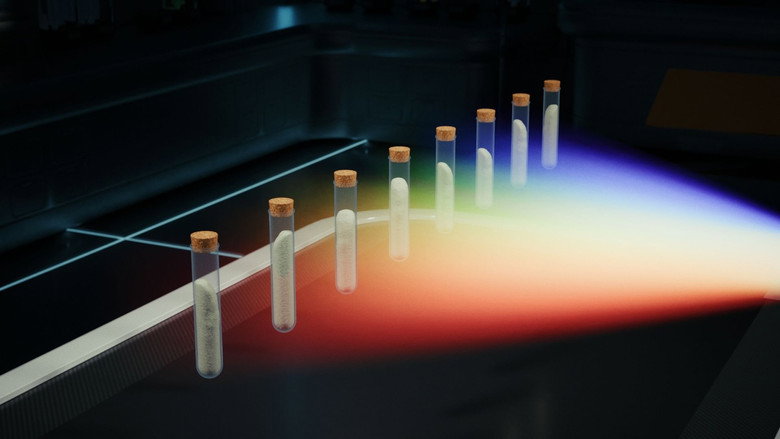
This episode explains how light can release electrons from materials, generating usable energy, and how sunlight interacts with matter. It also highlights Scheele’s discovery of photosensitivity, which laid the groundwork for technologies such as solar panels, camera sensors, and automatic screen brightness systems.
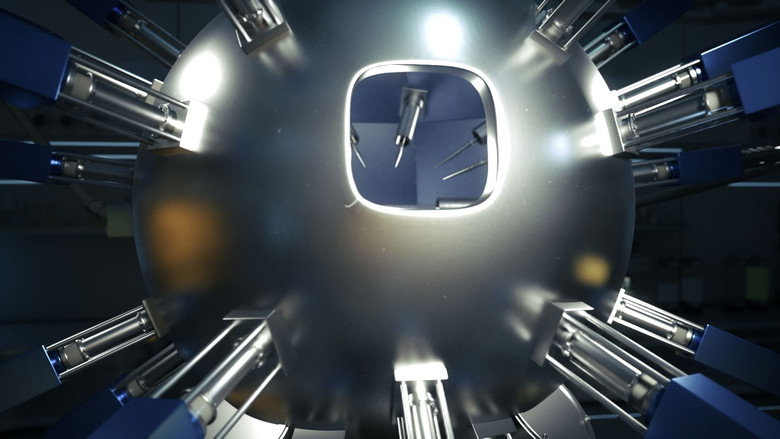
This episode explains nuclear fusion, the energy source of stars, and follows its history from hydrogen bombs to modern research aimed at controlling plasma. It highlights tokamaks designed to replicate the Sun’s fusion reactions on Earth, offering the hope of clean, nearly limitless energy.
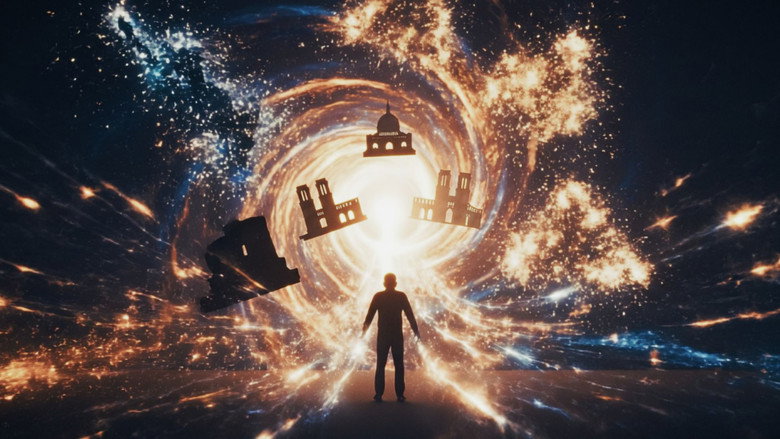
From Newton’s apple to early thinkers like Thales, this episode explores how simple observations become scientific theories. It outlines the key steps of the scientific method and shows how scientists such as Copernicus challenged established worldviews, reshaping our understanding of the universe.
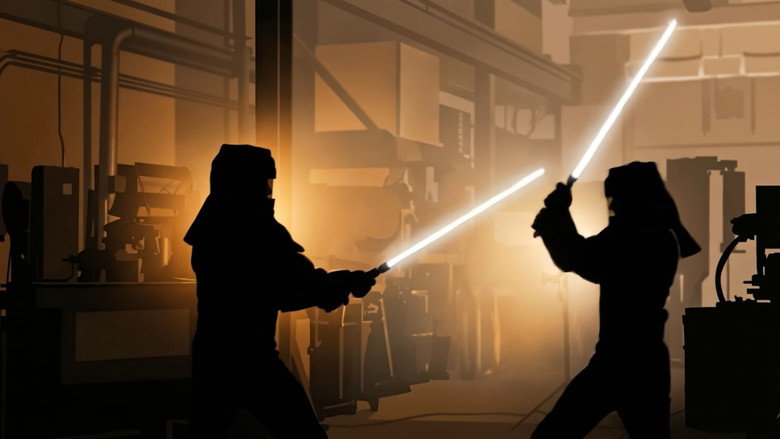
Used today in eye surgery, tattoo removal, and many other fields, lasers have roots in the work of Niels Bohr and Albert Einstein. This episode also explains how CDs and speed cameras work and clarifies why Darth Vader’s lightsaber belongs to science fiction rather than real science.
We experience time passing constantly, but its perception and measurement have evolved over history. From ancient sundials like the gnomon to pendulum clocks and time zones, humans developed ways to coordinate complex societies. Biological rhythms in the body also play a role, while Einstein’s theory of relativity revived the idea of time travel.
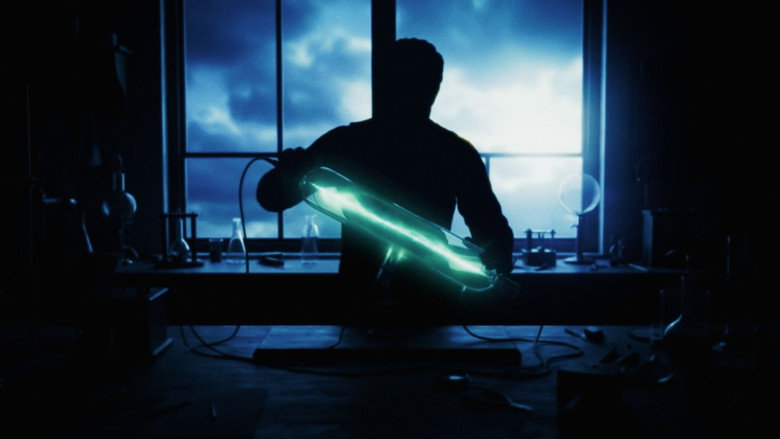
The Chernobyl nuclear disaster 40 years ago brought the dangers of radioactivity into public awareness, though low-level radiation is naturally present in the environment. This episode highlights the contributions of Wilhelm Röntgen, Marie Curie and others in studying artificial radioactivity, leading to nuclear reactors and the atomic bomb.
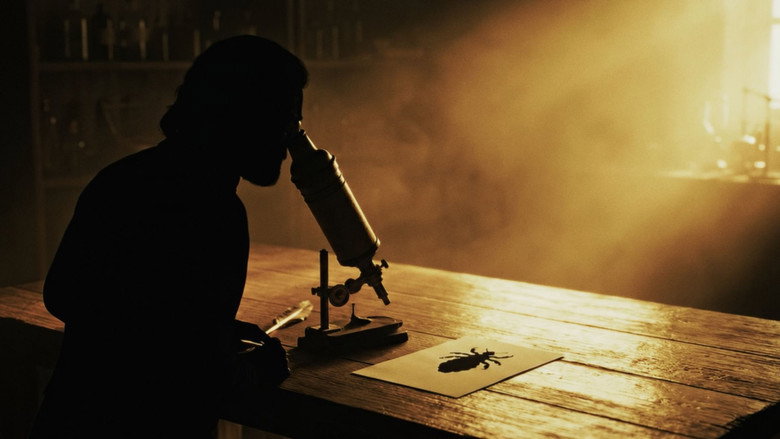
Parasites have existed for over 500 million years, mastering survival by living at the expense of others. This episode explores tiny organisms capable of causing massive epidemics and examines possible links between the deaths of Tutankhamun, George Washington, and the fall of the Roman Empire.
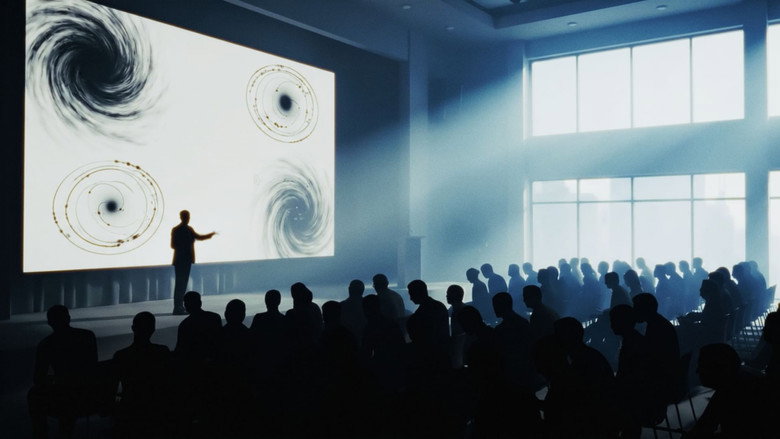
Once thought to be stable by Newton and later Einstein, the universe is now known to be expanding at an accelerating rate. This episode explores the search for dark energy, the mysterious force believed to drive this expansion and remain one of the biggest unsolved questions in cosmology.
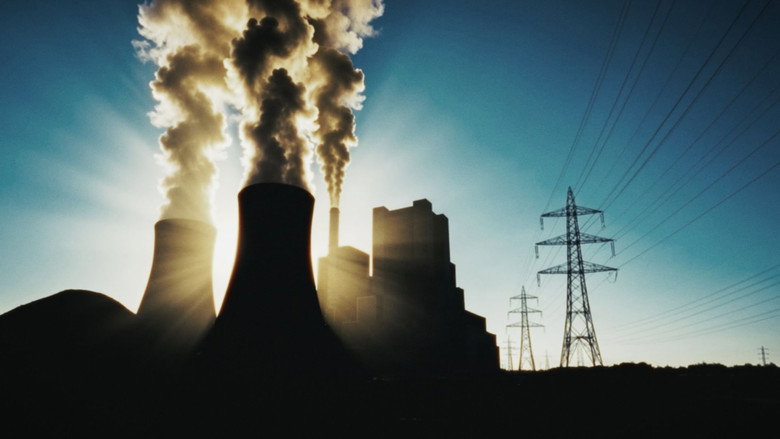
Hydrocarbons have long served as efficient fuels, already used by Neanderthals, the Inca, and the Persian civilizations. Since the 2000s, unconventional fossil energy sources such as shale gas have rapidly expanded through fracking. This episode explores how long these resources can still be used and what their consequences are for the climate.