
December 1, 2021
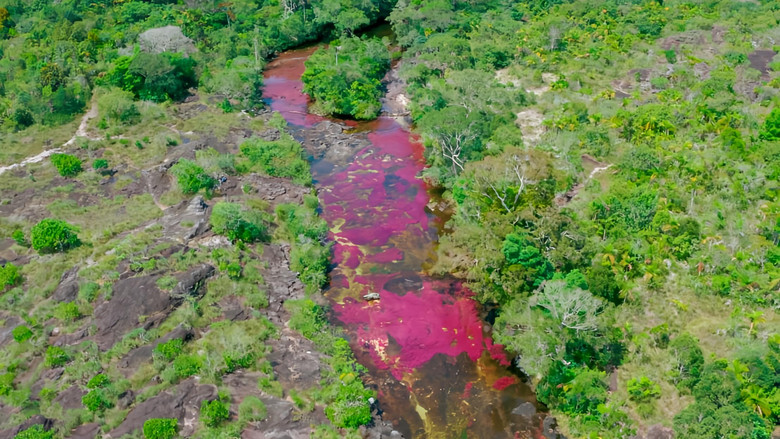
The La Macarena National and Ecological ReservePark, located in the heart of Colombia, is home to one of the most beautiful rivers in the world: the Caño Cristales. Due to the civil war, this river of five colors was cut off from the outside world for nearly 60 years. However, it shelters a unique fauna and flora.
Its red, pink and green colors are explained by an aquatic plant that is found only in this part of the world. It grows directly on the rock in a crystal clear water, very poor in nutrients. Thanks to it, the river is populated by fish, turtles, snakes, iguanas and even dwarf caimans. 41 species of mammals inhabit the banks, from squirrel monkeys to felines, tapirs, peccaries, tamanduas, as well as many birds. All of them depend on this river which is now threatened by the decrease of rainfall and the deforestation for the benefit of the cattle. An oil company has even tried to drill in the area to exploit the hydrocarbons but the local population has vehemently opposed it.
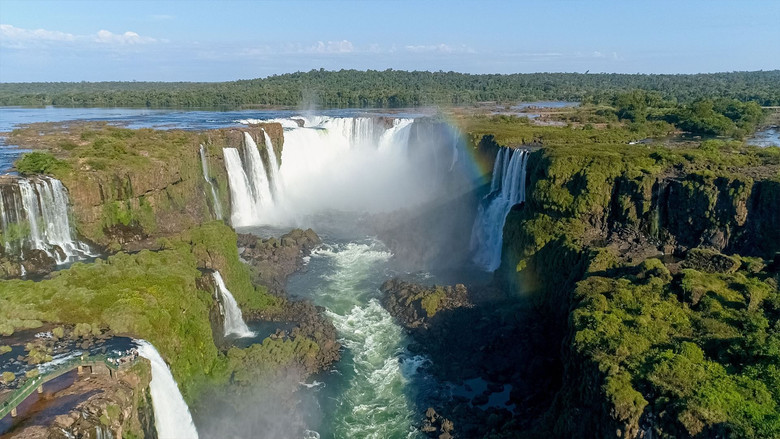
The Iguazu Falls, one of the 7 wonders of the planet, are the biggest in the world with their 275 cascades on 3 kilometers. But, how to reconcile today this ecological treasure with the development of tourism, in a region in full economic boom? Thanks to the creation of several national parks in Argentina and Brazil, they are in the heart of a vast forest with unique biodiversity. The area of the falls is home to 422 species of birds, from the majestic toucans to the great dusky swifts, which nest behind the falls, or the grey-fronted guans, essential for the regeneration of the forest

Born after a landslide, the Kaindy Lake has been covering for 100 years a sunken forest which stands with its ghostly trunks in the middle of electric blue water. Since 2007, this lake and its surrounding forests are in the heart of a national park, created to protect the fauna against hunting but also the extension of the breeding and tourism. Under the supervision of the rangers, the populations of deer, ibex and small mammals have recovered, allowing the return of large predators such as wolves, bears, lynx and especially the snow leopard. But the whole region is now threatened by the accelerated melting of the glaciers. For their part, scientists are fighting to preserve a balance between human development and the well-being of wildlife.
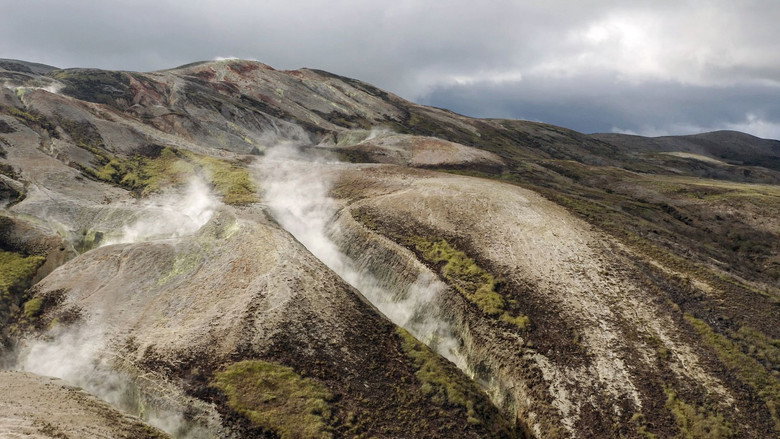
More than 1000 kilometers off the coast of Ecuador, the Galapagos Islands form an amazing archipelago in the middle of the Pacific. Rangers and scientists fight day after day to preserve this unique extraordinary fauna, remnant of a bestiary millions of years old.
The Galapagos and its volcanoes are home to unique animal species that have developed away from the outside world, on islands that humans have only occupied for a short time.
The northern part of the archipelago is visited by the largest fish in the world, the whale shark, a prehistoric species weighing over 30 tons. Curious to see a large concentration of whale shark females, scientists hypothesize that they come here to give birth and take advantage of the nutrient-rich water, brought by the cold currents, to feed their young.
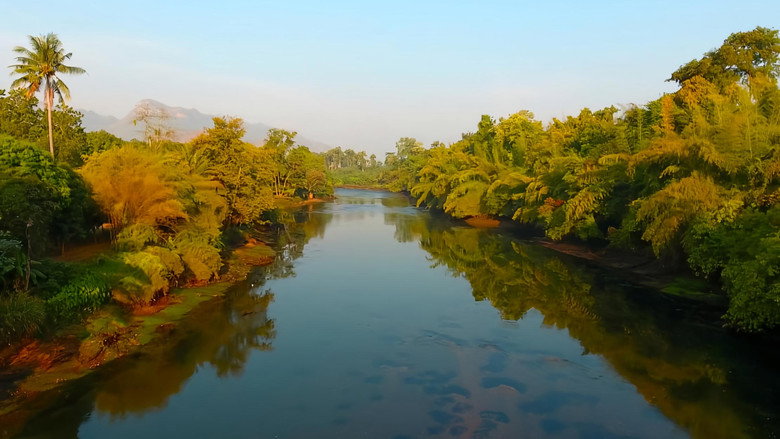
Classified as a UNESCO World Heritage Site, Umphang Sanctuary, the largest in Thailand, is an outstanding biodiversity refuge in Asia. Its high-altitude rainforest is home to wild elephants, tigers and bears, deer and buffalo, monkeys and squirrels, as well as birds of all kinds, such as hornbills and Asian peacocks. Thanks to a dense network of rivers and the country's largest waterfalls, this unique ecosystem manages to survive the six-month dry season. The vegetation and the fruit trees thus offer, all year long, an abundant food to the various animal species.
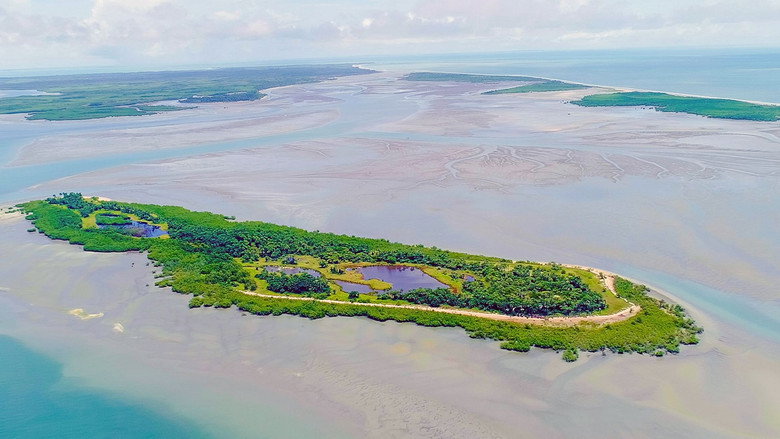
A natural paradise located off the coast of Guinea Bissau, the Bissagos archipelago is a strategic place for the conservation of the planet's biodiversity. Only 23 of its 88 islands are inhabited by a population very respectful of its environment. They are an ideal refuge for a rich wildlife. Among them, we find the only hippos in the world that live part of their time in sea water, as well as crocodiles, manatees, sand fiddler crabs and periophthalmus, strange fish with frog-like eyes.
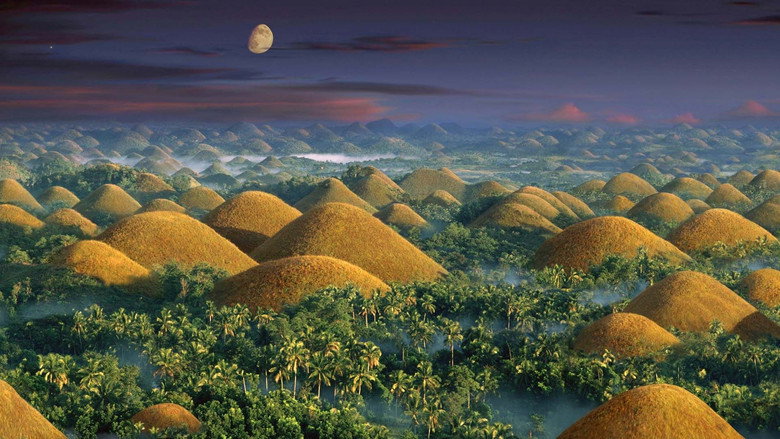
At first glance, it looks like a painting of an imaginary landscape, straight out of the imagination of an artist who imagines life on another world. But hidden in the heart of the Philippines archipelago, on the tenth largest island, with its 4100km², Bohol is a geological jewel with multiple particularities.
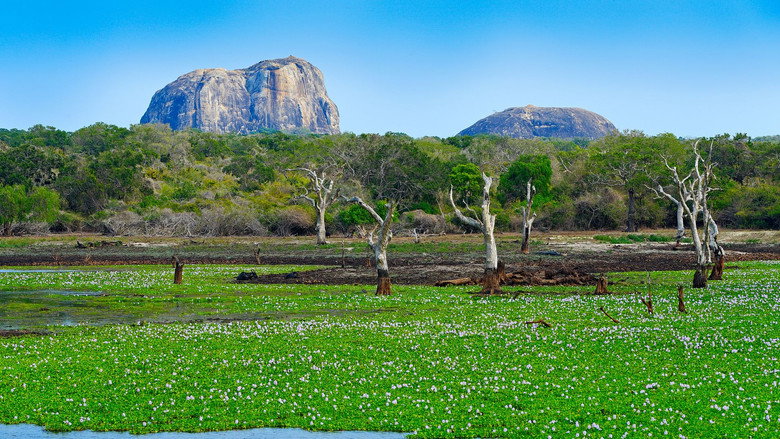
In the south-east of Sri Lanka, in the wildest part as it is the most remote from urban areas, the vast plains planted with trees along the immensity of the beaches of the Indian Ocean are like an Eden preserved from the tumult of civilization.
The present Sri Lanka is an island-country of more than 20 million inhabitants who cohabit with a fauna often endemic, remarkable by its diversity and its abundance. Yala Natural Park extends over nearly 1000 km2. Its green swampy savannahs are sprinkled with astonishing rocky outcrops: promontories 10 to 50 meters high made of metamorphic rocks dating from the quaternary period, which evoke the tectonic conflicts between the continents: the Asian plate and that of the Indian Ocean are in permanent conflict, these rocks are a manifestation of it and it is the same titanic friction that created the vertiginous folding of the Himalayas some 2000 km further north.
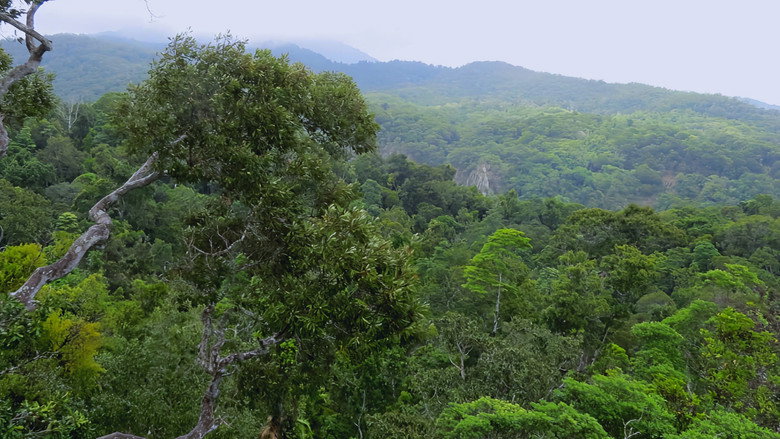
The Daintree Rainforest in Queensland is a vast 300,000 hectare park and is considered to be one of the most beautiful and varied areas on planet Earth. We discover how wildlife survives in this rainforest. Meet unique species, such as the prehistoric southern cassowary or the Lumholtz's Tree-kangaroo, a tree-kangaroo with amazing abilities. Isolated for millions of years, Australia has shaped itself over time. The Queensland region is constantly changing under the influence of the forces of nature, but today, scientists note a degradation of this tropical environment.
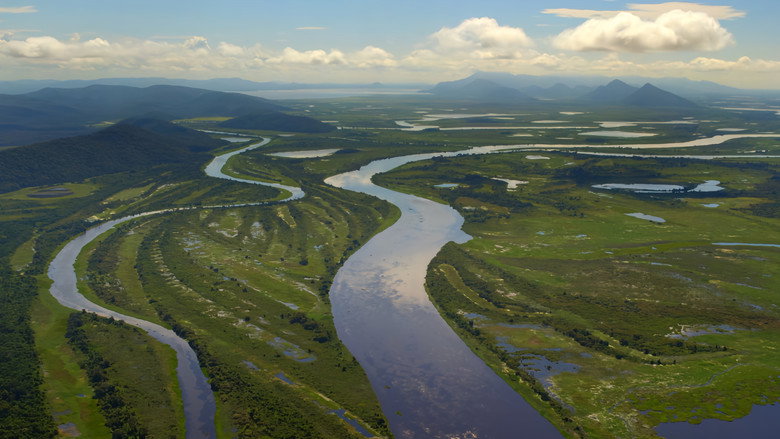
Brazil’s largest wetland has long been a sanctuary for jaguars, reptiles, tapirs and many bird species. Plagued by exceptional drought and wildfires in 2020, it is also suffering from the development of agriculture and livestock farming. To save this unique ecosystem and its iconic species, protected areas are becoming a matter of urgency.
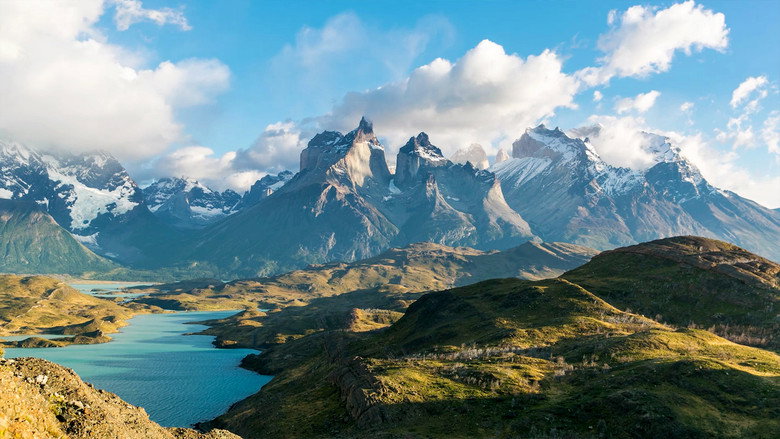
A critical region of Patagonia has been protected since the creation of Torres Del Paine National Park in 1959. The plains and hills bordering the Andes have seen the return of large predators such as pumas, condors and foxes – as well as their prey, such as guanacos. Tourism has increased tenfold in the last 20 years, boosting the local economy; much to the delight of the ranchers who live alongside all this wildlife. But global warming and wildfires pose new threats to this fragile ecosystem.
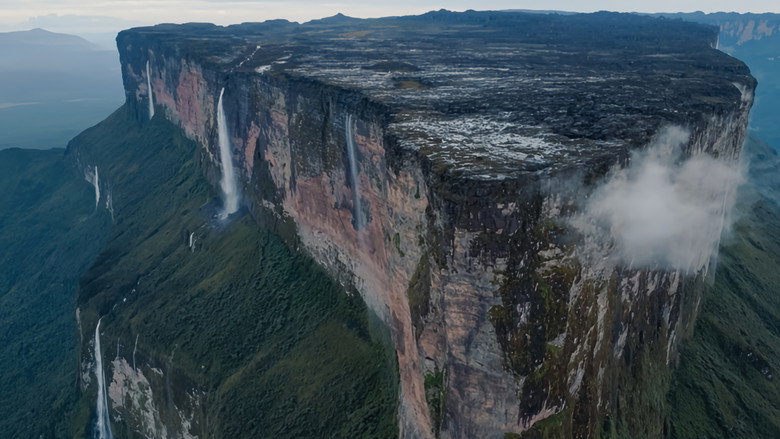
Deep within southeastern Venezuela, Canaima National Park protects a vast tropical zone the size of Belgium. The area is divided between rainforests and two other ecosystems found exclusively on the Guiana plateau: the Gran Sabana and the rocky mesas called “tepuis”. While scientists document the extraordinary specificity of these territories, with their breathtaking panoramas, illegal mining on the park’s outskirts is threatening the fragile balance of the ecosystem.
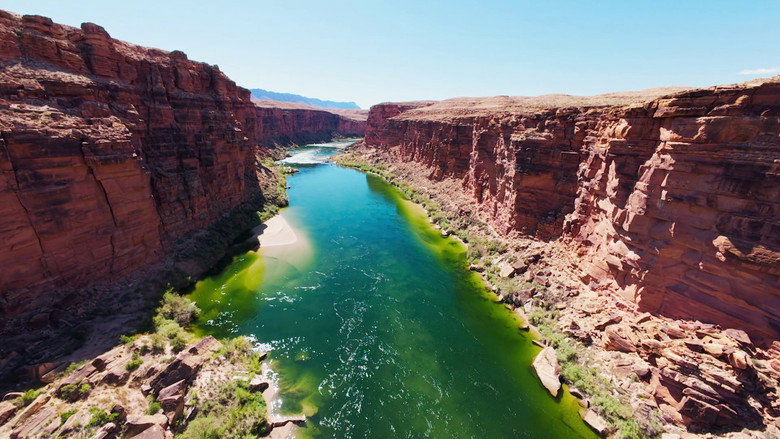
In the American West, the Grand Canyon, carved out by the waters of the Colorado River over 445 kilometers, is one of the most impressive natural sites on the planet. Protected by a national park since 1919, it is home to an astonishing biodiversity living in a mineral environment with inhospitable conditions.
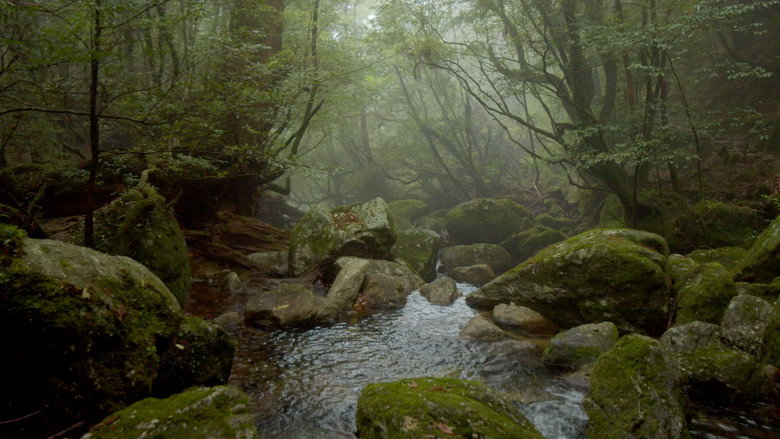
Off southern Japan, Yakushima Island rises from the East China Sea, its peaks nearing 2,000 meters (formed 15 million years ago when magma solidified beneath the ocean). Isolation and a lack of large predators fostered a rare symbiosis between endemic Japanese macaques and sika deer. The island’s highlands hold the world’s last cedar-dominated ecosystem, with some trees dating back to antiquity, surviving centuries of logging. This mystical landscape inspired Hayao Miyazaki’s Princess Mononoke. After years of human exploitation, Yakushima now strives to restore its natural balance.
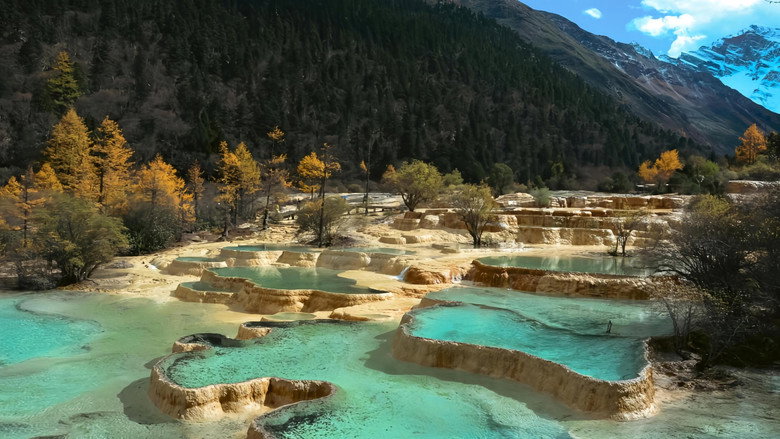
Huanglong, in the northwest part of Sichuan, China, is known for its colorful travertine pools formed by calcite deposits, as well as diverse forest ecosystems, snow-capped peaks, waterfalls and hot springs. Huanglong is also home to many endangered species including the giant panda and the Sichuan golden snub-nosed monkey. Huanglong was declared a World Heritage Site by UNESCO in 1992 because of its outstanding travertine formations, waterfalls and limestone formations as well as its travertine terraces and lakes rating among the three most outstanding examples in the world.