
01. Under Elevated Train Tracks
Spaces under Japan's elevated train tracks are being used in a variety of ways, from restaurants to skate parks. Some towns are utilizing these spaces as part of their regional revitalization efforts.

02. Onigiri
Japan's comfort food, onigiri. We explore new types trending on social media, the latest convenience-store offerings, and an emergency version that can be stored at room temperature for five years.

03. Graves and End-of-Life Planning
End-of-life planning is spreading in Japan. Some people are planning ahead and choosing low-cost shared graves over family graves, while some cities are offering end-of-life planning support.

04. Repair
As the need for circular economies grows, there's an increasing focus on repair. We see broken appliances being rebuilt at the circuit-board level and old clothes being given creative makeovers.

05. Octopuses
Octopuses have been part of the Japanese diet for centuries. Today, some people even keep them as pets. Octopus catches have been decreasing, but efforts to farm them on land are now underway.
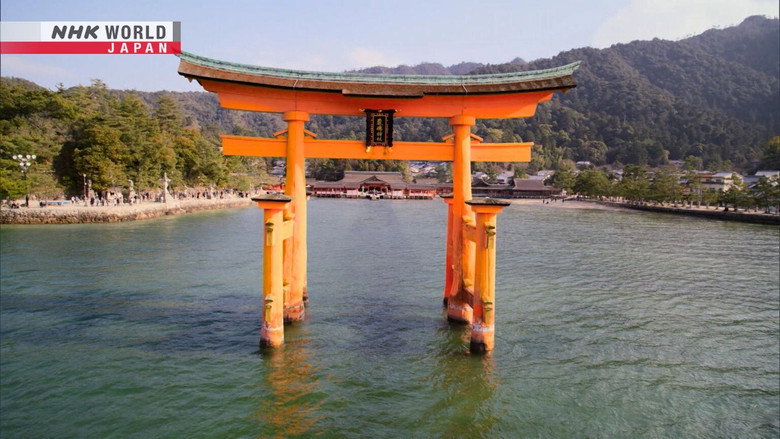
06. Torii
Torii are gateways to Shinto shrines where deities are worshipped. We look at torii around Japan, as well as efforts to rebuild them after a tsunami, and examine their role and what they represent.
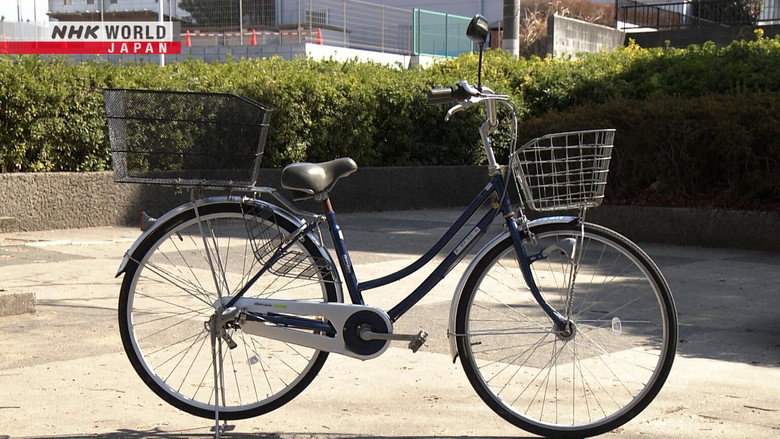
07. Mamachari
About 80 percent of bicycles in Japan are mamachari. Electric models make carrying kids easy, while recycled bikes find new life overseas. We explore why Japan's mamachari are so popular worldwide.
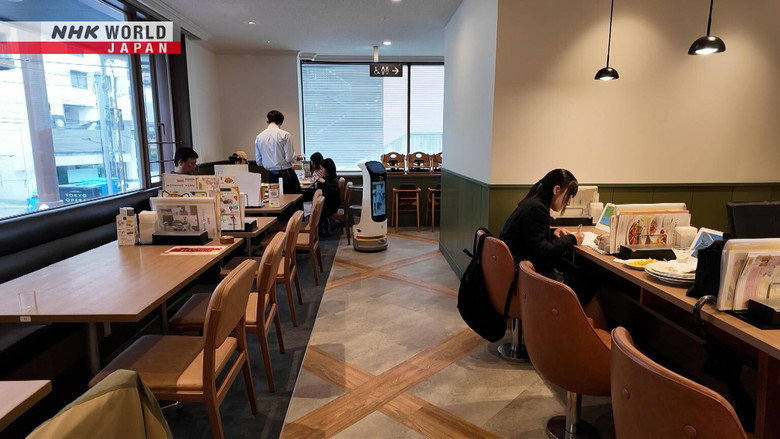
08. Family Restaurants
Family restaurants are uniquely Japanese establishments, popular not only with families but also with solo diners these days. They offer a wide array of creative dishes and a fun dining experience.
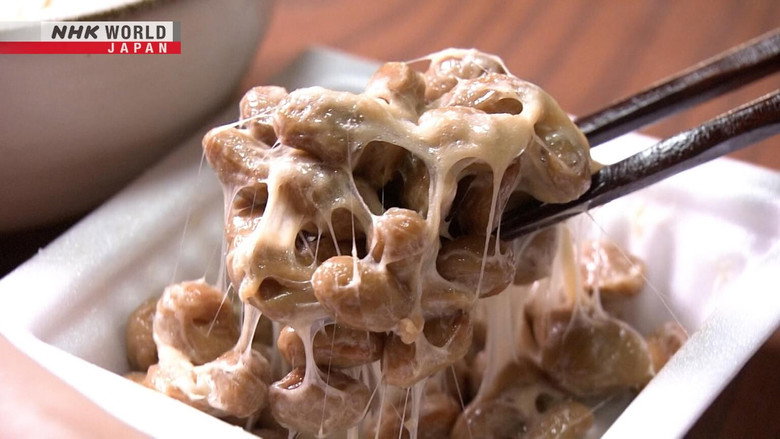
09. Natto
Highly nutritious and increasingly popular overseas, natto is a traditional Japanese food linked to longevity. Now, there are even hopes that it could help solve environmental issues.
10. Sake
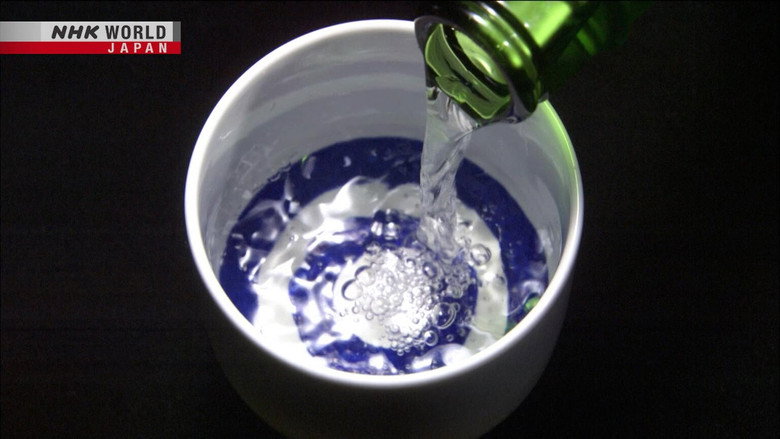
Sake is enjoying a global boom. But as the domestic market shrinks, more and more breweries are turning to overseas markets to survive. We meet artisans striving to preserve its tradition and quality.