01. The world of intelligence: the major players
The Hamas attack against Israel on October 7, 2023, exposed a major flaw in Israeli intelligence services, considered among the best in the world. In a world where warfare is becoming hybrid, the challenges for intelligence services are immense, and their ability to inform, influence, and manipulate is a primary factor in power.
02. Cities: Facing Heatwaves
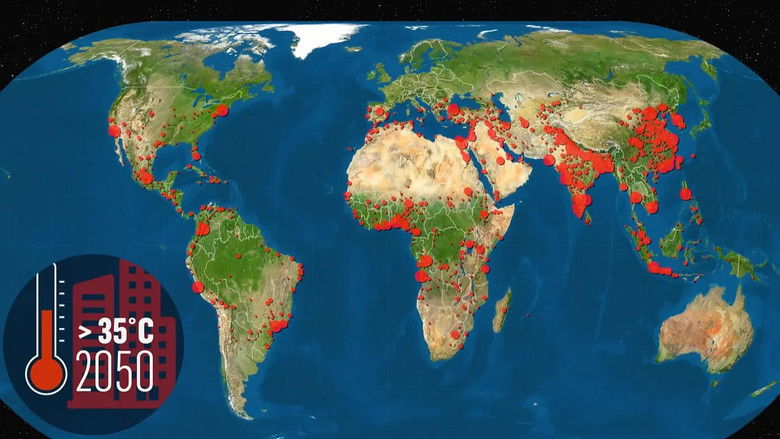
By mid-century, the number of cities exposed to temperatures exceeding 35 degrees Celsius for three consecutive months will have tripled. 1.6 billion city dwellers are said to be threatened by these extreme weather events. Excess mortality, respiratory illnesses, and worsening inequalities in cities worldwide. Faced with this emergency, cities are mobilizing and innovating.
03. Serbia: Between Beijing, Brussels and Moscow
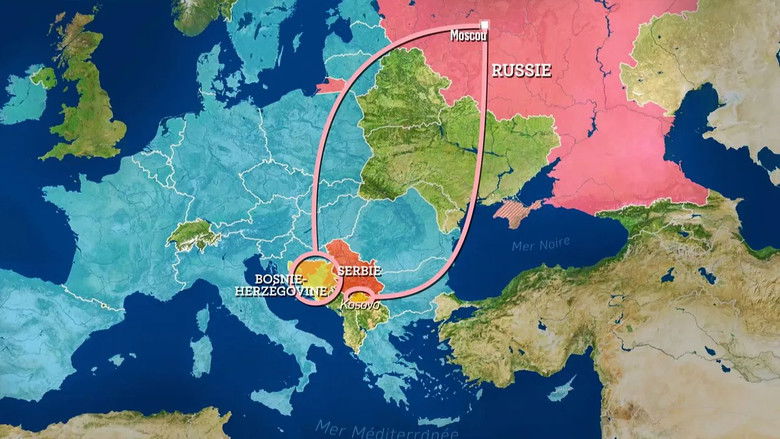
Serbia is a key Balkan country at the crossroads of Europe and Asia, led by President Aleksandar Vučić. An official candidate for EU membership, Serbia has not applied sanctions against Moscow and has a good relationship with Beijing. Where does its future lie?
04. Drones: New Warfare
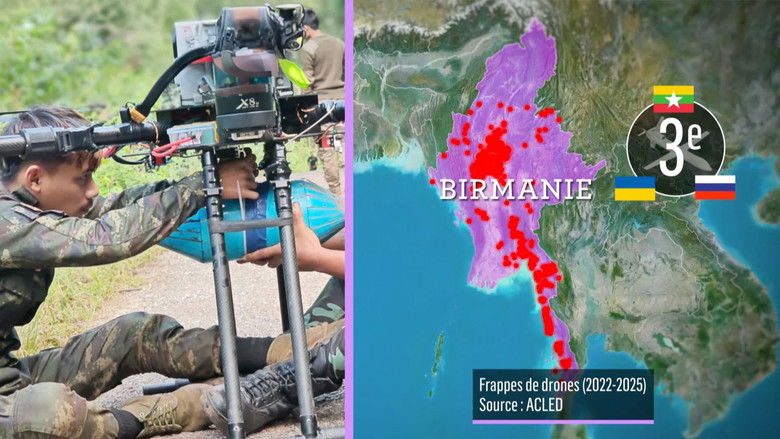
Drones are reshaping modern warfare in conflicts around the world. The technology is cost-effective, can be piloted safely, and can cause devastation. Armies must adapt to this new threat as airspace becomes increasingly militarised.
05. Ukraine: Resilience in Wartime
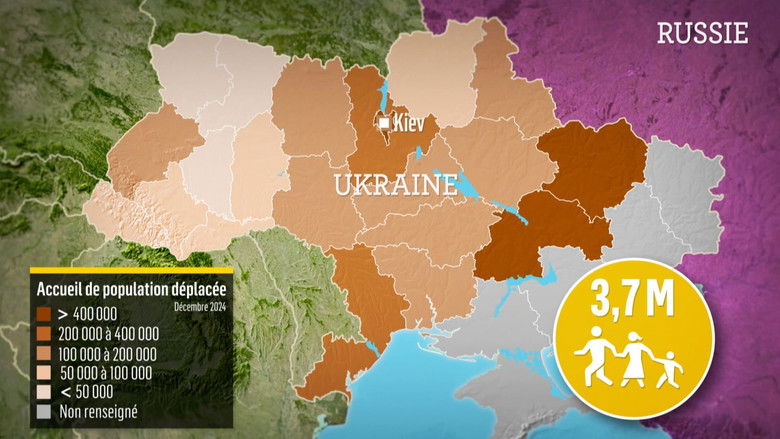
For four years, Russia has struck at Ukraine's vital infrastructure with the aim of demoralising the population. More than 9.5 million people have been forced to leave their homes and find refuge in other regions or abroad. But the Ukrainians have shown great resilience in the face of Russian aggression.
06. Denmark: A Time of Threats
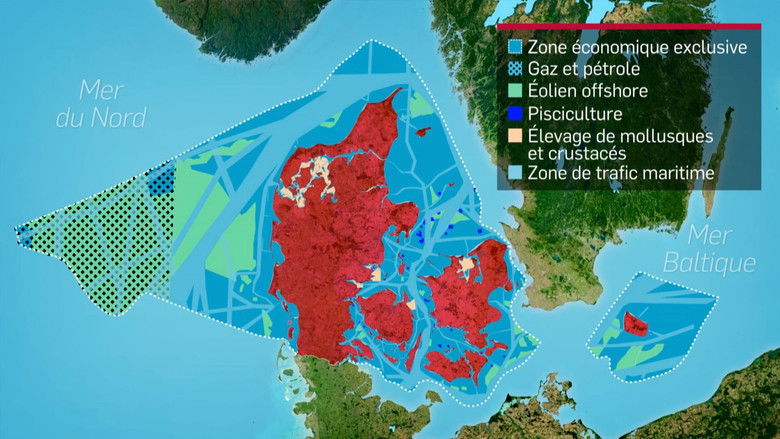
Denmark is widely regarded as an economic, social, and environmental model. Generating more than half of its electricity from wind power, the country has already completed roughly 75 percent of its journey toward climate neutrality. Occupying a strategic position at the interface of the North Sea and the Baltic Sea, Denmark has become a key strategic power. Yet this status also exposes it to new vulnerabilities: beyond the challenges posed by climate change, it must now confront external pressures, including Donald Trump’s predatory ambitions toward Greenland and growing intimidation from Russia.
07. Rare Earths: A Strategic Issue
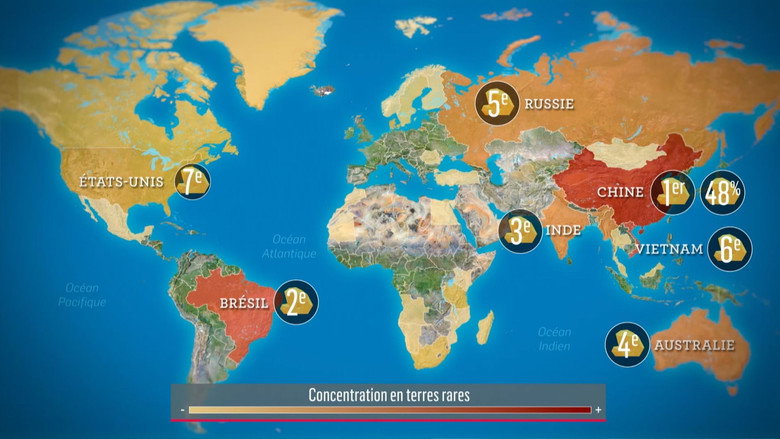
Sought after for their magnetic and luminescent properties, essential for renewable energy and displays, rare earths have become highly strategic resources. China holds nearly half of the world's reserves, followed by Brazil, India, Australia, Russia, Vietnam, the United States, and Myanmar.
08. South Africa: A Regional Power
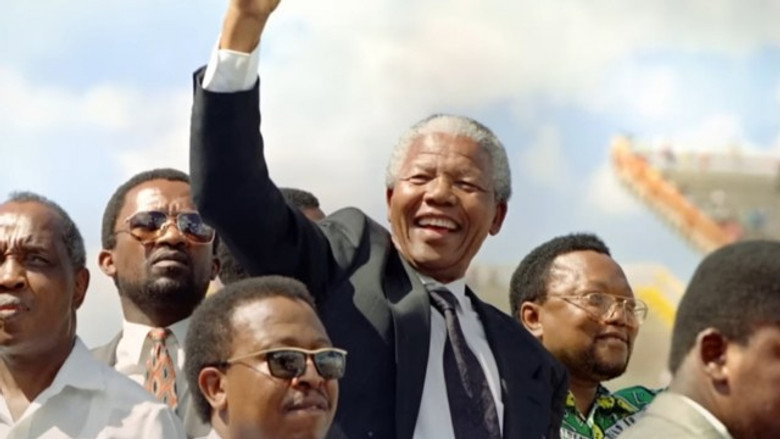
South Africa has established itself as the leading regional power at the southern tip of the African continent. The country enjoys a high degree of political stability and records the highest Human Development Index in sub-Saharan Africa. Other countries in Africa, by contrast, are being shaken by wars, coups and climate change.
09. The soybean, a geopolitical crop
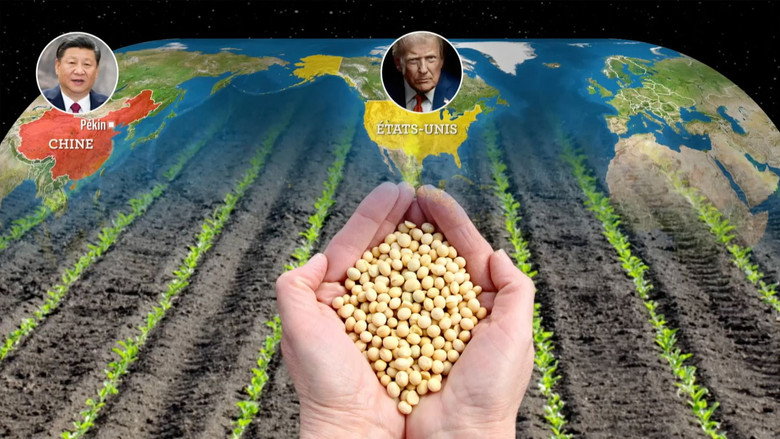
Soy is a key commodity in the global economy. Primarily used as animal feed, the bean is also processed into biodiesel. Trade connects ports in the USA with China and shapes new economic routes. Brazil, the USA, and Argentina dominate the market, but monocultures cause massive environmental damage. Dubbed the "green oil of the 21st century," its trade is reshaping the world map, linking ports in the Americas to terminals in China.
10. United States: The Economy According to Trump
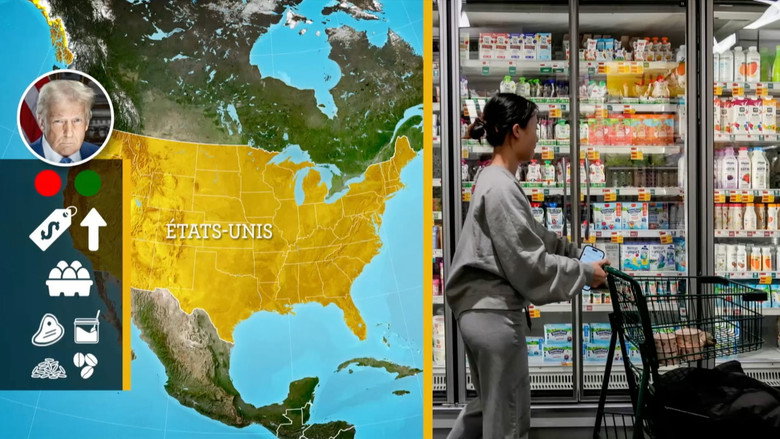
In February 2026, the justices of the US Supreme Court ruled: a president cannot unilaterally impose tariffs. This challenged one of Donald Trump's favorite weapons: increasing import taxes. It provides an opportunity to review the economy according to Trump, particularly in Minneapolis, whose local economy is affected by the climate of fear surrounding ICE.
11. Demographics: A World of Old People?
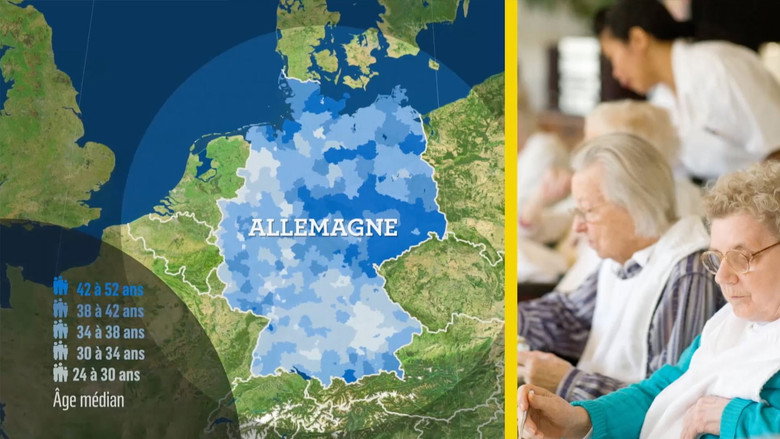
Understanding geopolitics and the world: The connections of globalization explained simply with maps. This issue examines the consequences of China's one-child policy and the demographic trend toward aging societies on almost every continent.
12. EU and India – One friendship among many?
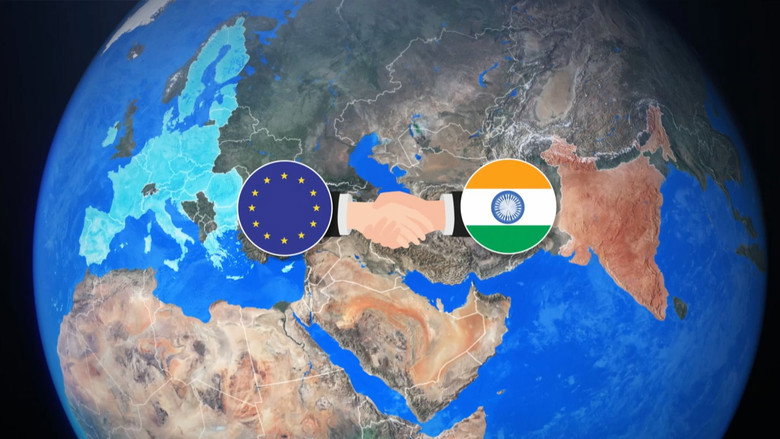
Understanding geopolitics and the world: Globalization's interconnectedness explained simply using maps. This episode explores the relationship between the EU and India against the backdrop of the new geopolitical landscape.
13. Tea, a trendy beverage
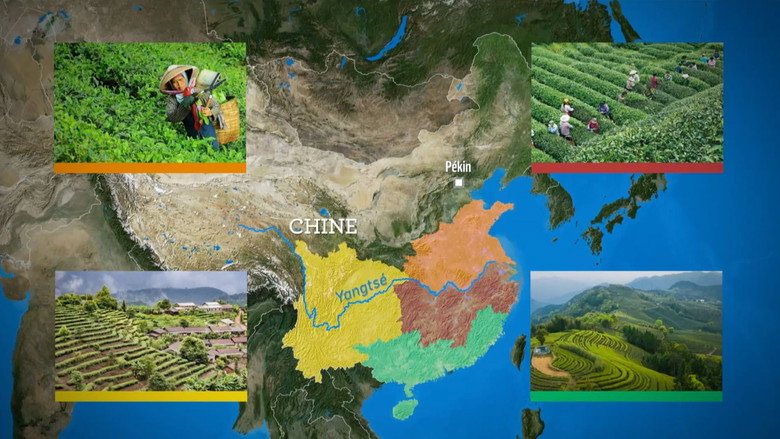
A moment that will never be forgotten: On the occasion of Queen Elizabeth II's Diamond Jubilee, she met Paddington Bear – at a classic tea time in Buckingham Palace. But as much as tea is considered a British cultural treasure, its origins lie far away: in China. "With Open Cards" embarks on a global quest to explore the history and uses of tea.
14. Texas, a state of contrasts
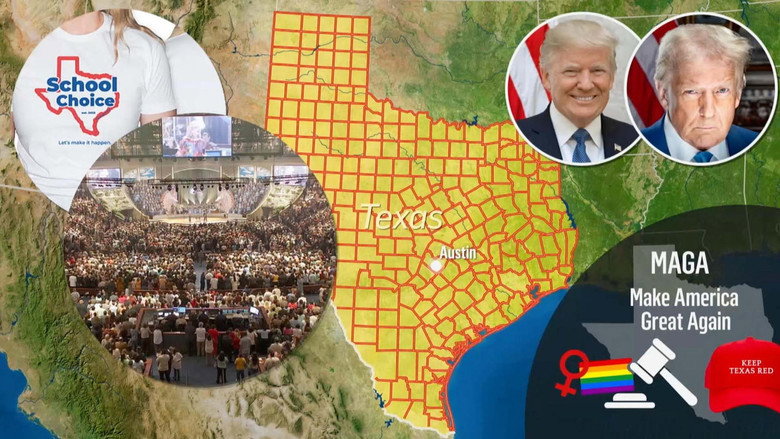
Texas, a historical stronghold of American conservatives, is considered a "laboratory of Trumpism." Once a land of immigration, it is now one of the spearheads of Donald Trump's anti-immigrant policies. Fueled by oil and AI, Texas attracts influential companies, starting with those of Elon Musk, a powerful ally of the American president.
15. DRC: The Never-Ending War?
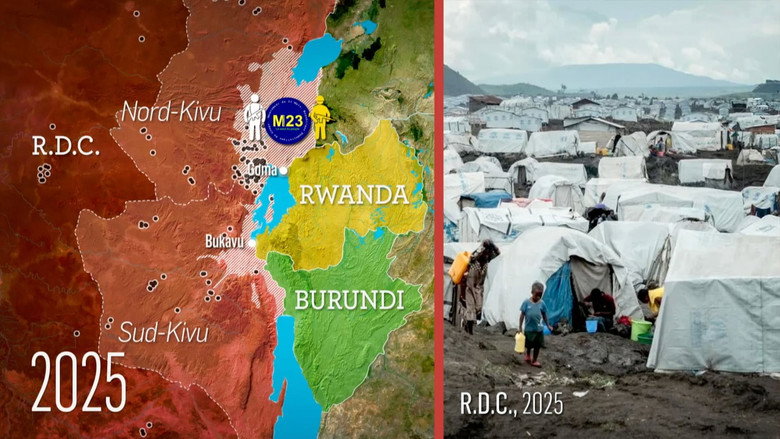
Mapping the World takes us to the African Great Lakes, a region of the continent long plagued with conflict and unrest. More than thirty years after the Rwandan genocide, conflict still affects the DRC, and neighbouring countries such as Uganda, Rwanda and Burundi.
16. From Bolsonaro to Lula: Where is Brazil headed?
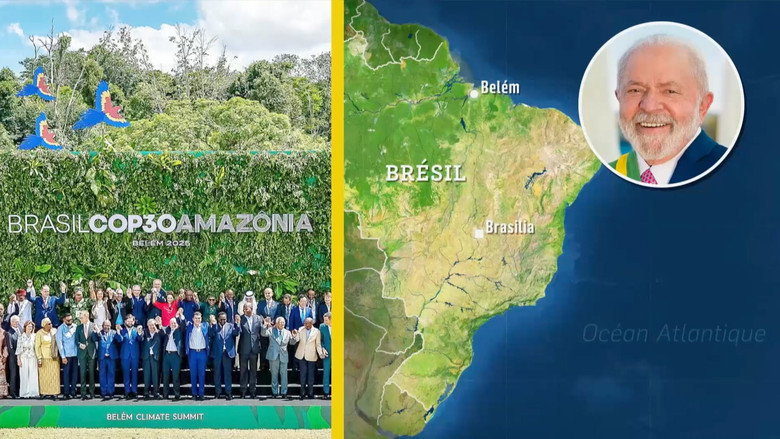
Understanding geopolitics and the world: The connections of globalization explained simply with maps. In this issue of "With Open Maps," Brazil's strengths and weaknesses are examined in light of the presidential elections in October 2026.
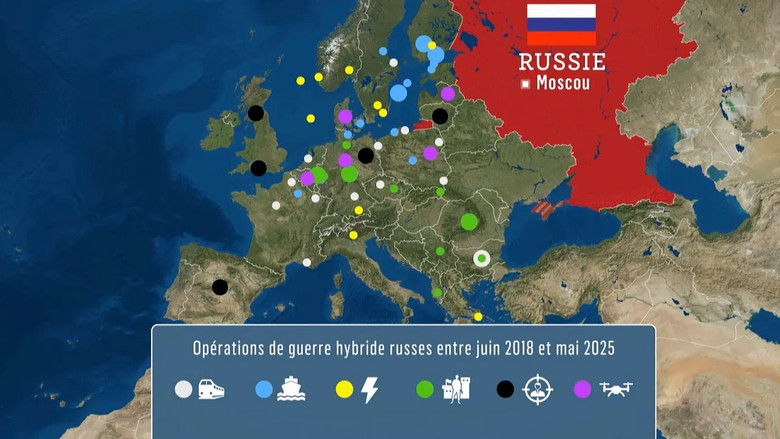
17. Russia-EU: Hybrid Warfare
Hybrid warfare, as opposed to conventional warfare fought on the front line with weapons, is a new form of conflict that the Kremlin has mastered. Even before the full-scale invasion, the Russians targeted Ukraine with hybrid actions and now they are targeting the whole continent.
18. Europe and the US: How Dependent Is Europe?
More than half of the world’s operational satellites are part of Elon Musk’s Starlink network, highlighting Europe’s dependence on the United States. From digital infrastructure and defence to the economy, Europe must rethink its strategic sovereignty.
19. Gold: From Safe Haven to Global Rush
Gold has fascinated people for centuries. In times of geopolitical crisis, it remains a safe haven for states, investors and industries. Today, a new global rush for gold is fuelling environmental pressures, social tensions and illicit trafficking in many parts of the world.
20. Shanghai: A Showcase of China’s Rise
Shanghai, a megacity that has become one of the most striking showcases of China’s rise under Xi Jinping. A symbol of economic progress and global influence, Shanghai also reveals the vulnerabilities of a megacity on the front line of climate change.