Manfred Mann
Manfred Sepse Lubowitz (born 21 October 1940), known professionally as Manfred Mann, is a South African-born musician, residing in the UK since 1961. He is best known as a founding member of the eponymous bands Manfred Mann, Manfred Mann Chapter Three and Manfred Mann's Earth Band.
Lubowitz was raised in a Lithuanian Jewish family in Johannesburg, the son of David Lubowitz and Alma Cohen. He studied music at the University of the Witwatersrand, and worked as a jazz pianist at a number of clubs in Johannesburg.
Strongly opposed to the apartheid system in his native South Africa, Lubowitz moved to the United Kingdom in 1961 and began to write for Jazz News under the pseudonym Manfred Manne (after jazz drummer Shelly Manne), which was soon shortened to Manfred Mann.
In 1962, he met drummer and keyboard player Mike Hugg at Clacton Butlins Holiday Camp; together they formed a large blues-jazz band called the Mann-Hugg Blues Brothers. This eventually evolved into a five-piece group named after him, and they signed a record deal with EMI in 1963, under the His Master's Voice label.
Prominent in the Swinging London scene of the 1960s, the group regularly appeared in the UK Singles Chart. Three of their most successful singles, "Do Wah Diddy Diddy", "Pretty Flamingo", and "Mighty Quinn", topped the UK charts. The band's 1964 hit "5-4-3-2-1" was the theme tune for the ITV pop music show Ready Steady Go!. They were also the first southern-England-based group to top the US Billboard Hot 100 during the British Invasion.
The band split up in 1969.
With Manfred Mann recently broken up, Mann and Mike Hugg created Manfred Mann Chapter Three. The group's debut performance, which was at Newcastle's Mayfair ballroom on 24 October 1969, consisted of Mann and Hugg on keyboards and organ, as well as: Bernie Living (alto sax), Steve York (bass guitar), Craig Collinge (drums).
They were also backed by a five-piece brass group consisting of: Clive Stevens (tenor sax), Carl Griffiths (tenor sax), Dave Coxhill (baritone sax), Gerald Drewett (trombone), Sonny Corbett (trumpet).
They recorded two albums: Manfred Mann Chapter Three, in 1969, and Manfred Mann Chapter Three Volume Two, in 1970. The group were never commercially successful, and split up in late 1970.
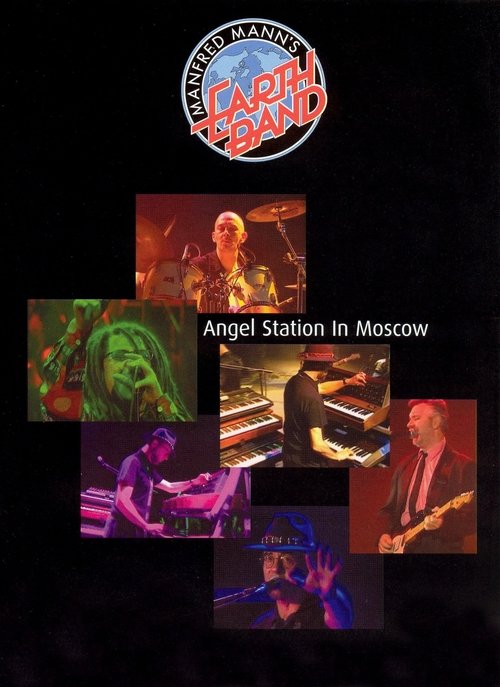
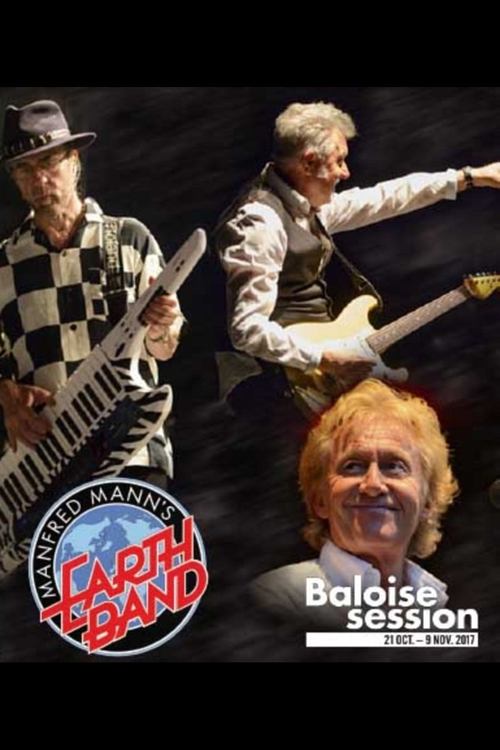
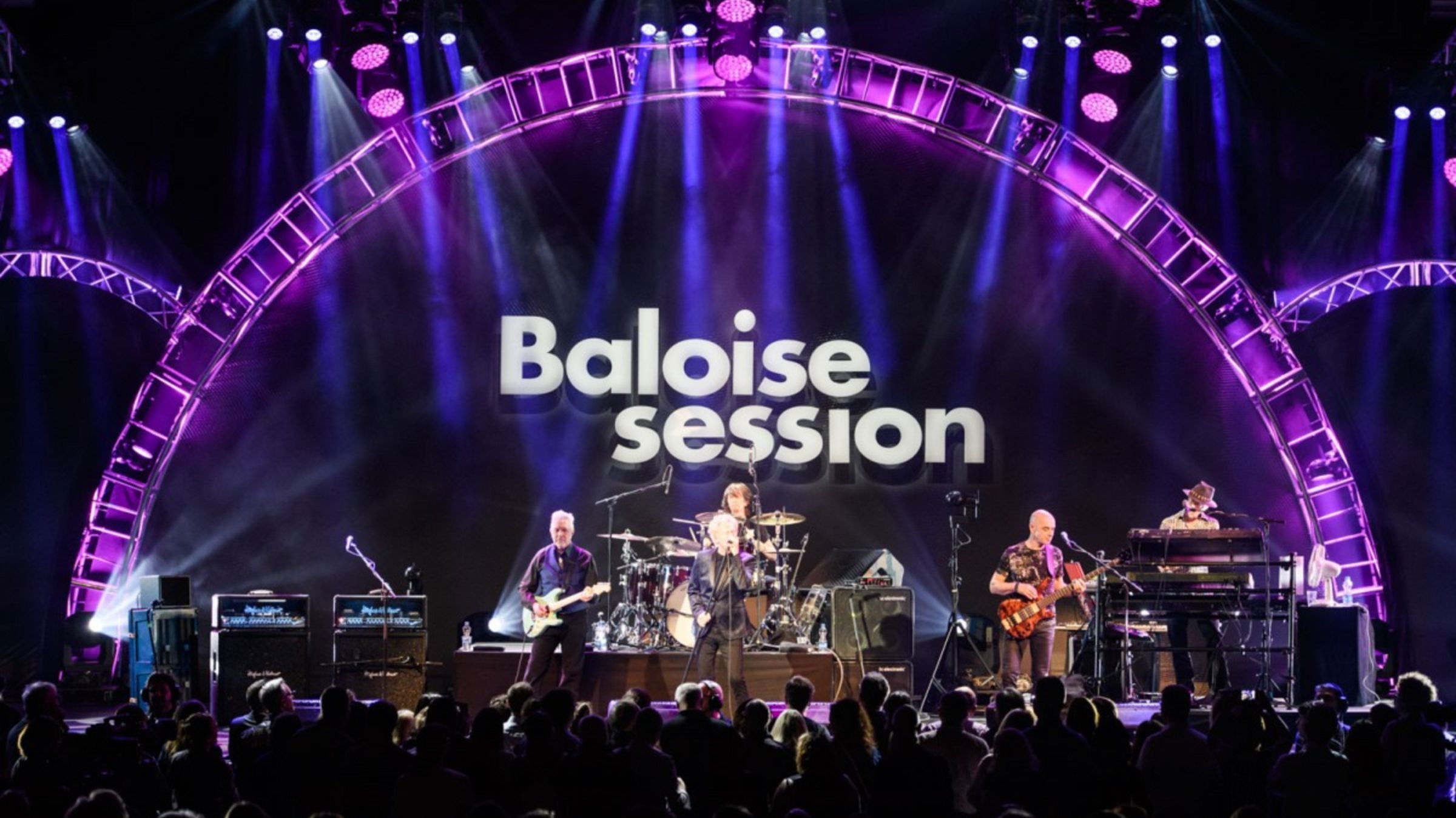
In 1971, Mann formed Manfred Mann's Earth Band. They had a chart topping hit in 1976 with a cover of the 1973 Bruce Springsteen song "Blinded by the Light"; their cover went to number one in Canada and the U.S.
Although the group never had the same success of "Blinded by the Light", as of 2025 the band is still active, and Mann still tours with the group along with founding member Mick Rogers.
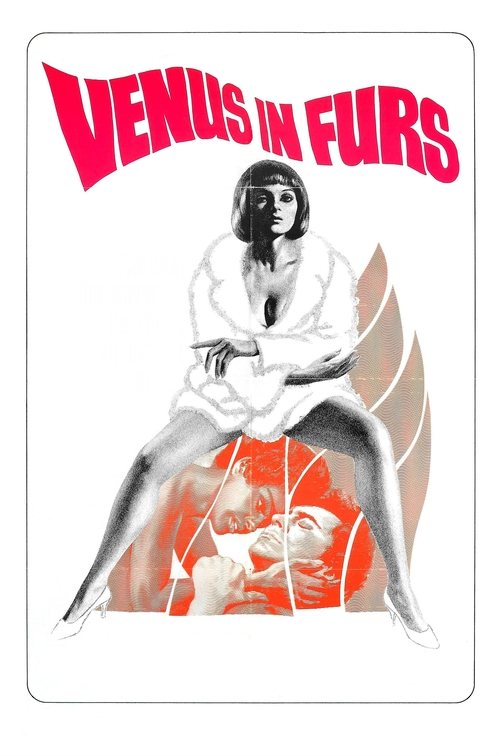
Manfred Mann appeared as a jazz pianist in the 1969 Jesús Franco film Venus in Furs, and performed the score for that film. He also released solo projects under the names Manfred Mann's Plain Music and Manfred Mann '06.
Manfred Mann played a Minimoog solo on the Uriah Heep song "July Morning". He also played keyboards on Trevor Rabin's album Wolf. ...
Source: Article "Manfred Mann (musician)" from Wikipedia in English, licensed under CC-BY-SA.