Secrets of Nature
A series of short educational nature documentaries that were produced from 1919 to 1933 by British Instructional Films.
The Life Story of the Caddis Worm
A precursor short film to the Secrets of Nature shorts.
View DetailsThe Life Story of the Garden Spider
A precursor short film to the Secrets of Nature shorts.
View DetailsInfant Welfare in the Bird World
A Secrets of Nature short depicting methods employed by sea birds to care for and protect their young are contrasted with those used by various land-based birds.
View Details
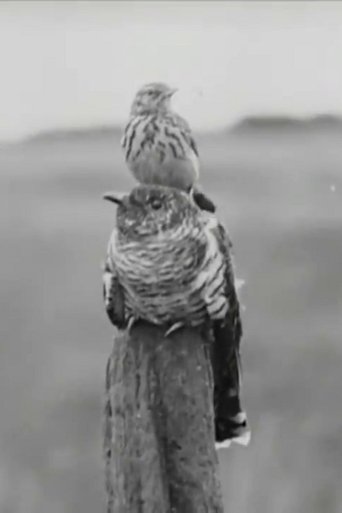
The Cuckoo's Secret
The film shows a cuckoo caught in the act of laying an egg in the nest of two titlarks. The egg is hatched by the foster-mother, and she and her mate feed and tend the young cuckoo, even to the detriment of their own chicks.
View Details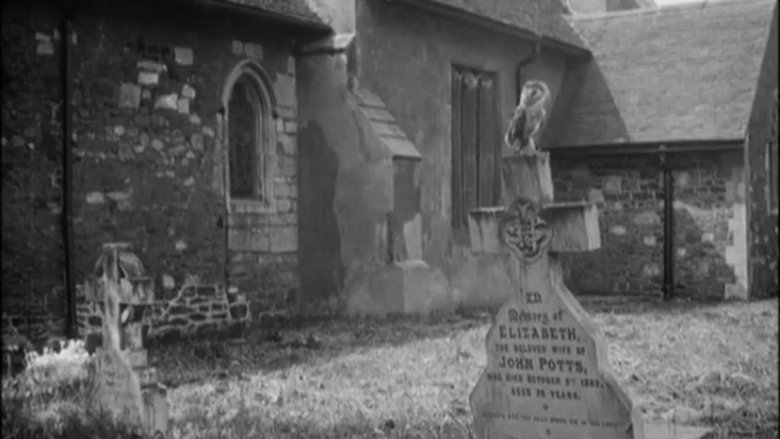
The White Owl
A short black-and-white silent documentary film featuring the life-cycle of the Barn Owl.
View Details

The Battle of the Ants
A short black-and-white silent documentary film featuring the conflict between two colonies of wood ants joined by a piece of tiber laid across a moat at a zoological garden.
View Details
Skilled Insect Artisans
The pictures show how the ailanthus silkmoth and the red admiral spin silk and weave a cocoon, and the way in which the change from caterpillar to moth is affected.
View Details

Fathoms Deep Beneath the Sea
Beneath the waves are mountains, plains and valleys full of life: here the conger, the octopus, and the wrasse hunt for food; shrimps and prawns act as scavengers; sea anemones and starfish decorate the seafloor, and the spider crab assumes protective colouring by covering its back with pebbles.
View DetailsStudies in Animal Motion
Captivating slow-motion and quadrupeds aplenty in this fascinating look at animal movement.
View DetailsThe Comma Butterfly
A study of the insect, from caterpillar to butterfly. Part of the “Secrets of Nature” series.
View Details
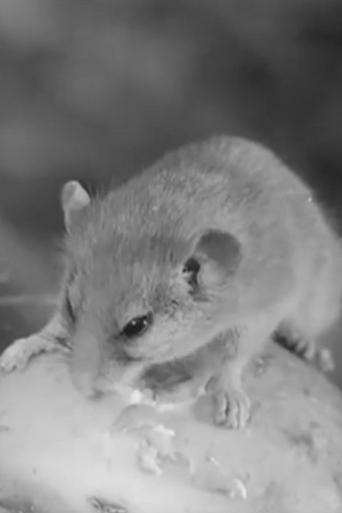
Paws and Claws
Nature adapts the limbs of animals to the works they will be required to do. This principle is illustrated by the Lion, the Tiger, Leopard, Giant Ant-Eater, Armadillo, Camel, Reindeer, Gazelle, Fowl, Chameleon, Otter, Beaver, Penguin, Fruit-Bat, Spider Monkey and Gibbon.
View DetailsSeed Time
High speed photography used to show the seed dispersal methods of various plants.
View Details
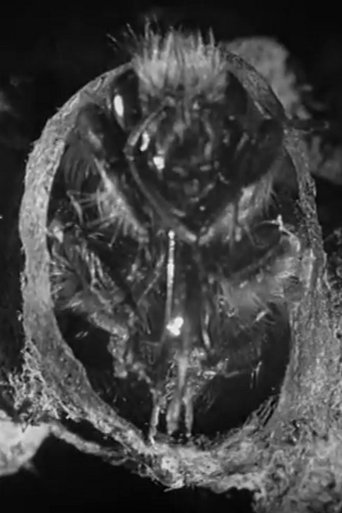
Busy Bees
These pictures show the marvellous industry of the Bee, the ingenuity it exercises in making its home, and the ordered programme of life that it appears to follow.
View Details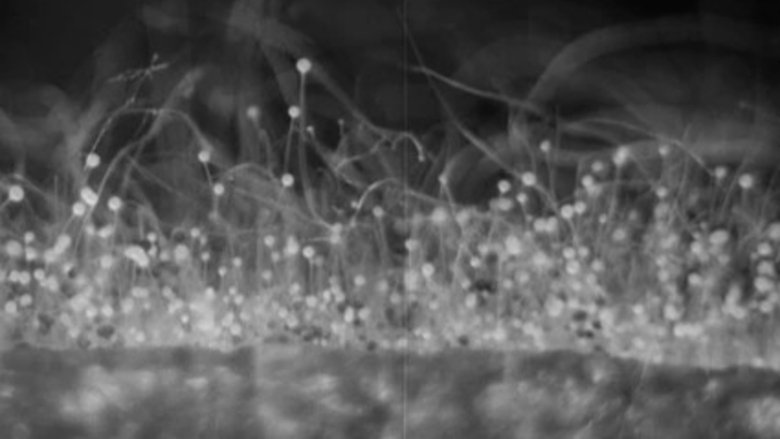

The Plants of the Pantry
Short documentary film using innovative filming techniques to show how moulds grow and germinate.
View DetailsThe Story of a Glass of Water
How science and nature combine to purify water in a reservoir. Micro-cinematography shows the bacteria present in the water.
View DetailsPlant Magic
Micro-cinematography is used to show how plants transform their secretions into other substances.
View Details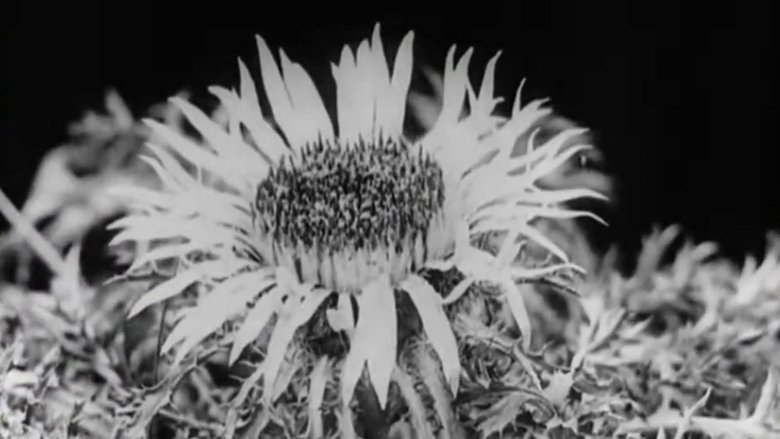

Floral Co-operative Societies
A short black-and-white silent documentary film featuring the sexual elements of pollenation in Dandelion, Globe thistle, Daisy, Cornflower, Carline thistle and Everlastings.
View DetailsThe Frog
A life history of the Frog. Released in a silent (1929) and sound (1930) version.
View Details
Scarlet Runner & Co
Time lapse photography of the broad bean flower unfurling. Released in a silent (1929) and sound (1930) version.
View Details
Plants of the Underworld
The world of fungi captured by micro-cinematography and time-lapse photography.
View Details
Peas and Cues
The film shows the birth, life and reproduction of sweet peas, a familiar and well loved plant of British gardeners.
View Details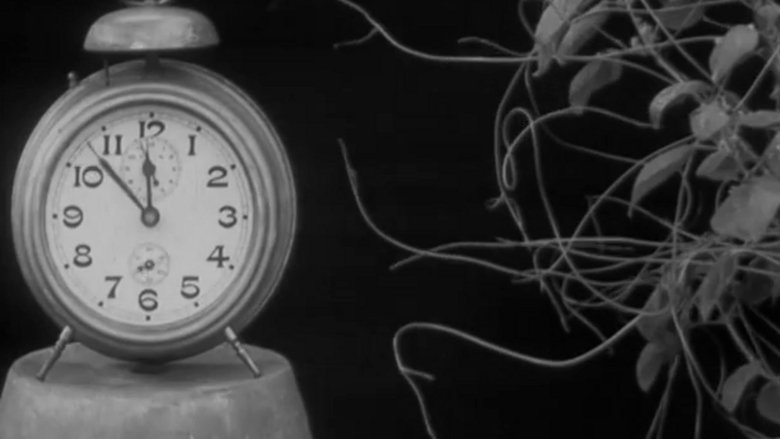

The Strangler
The Strangler shows the life history of dodder, from its earliest stage as a seedling, to its parasitic stage feeding off its host.
View Details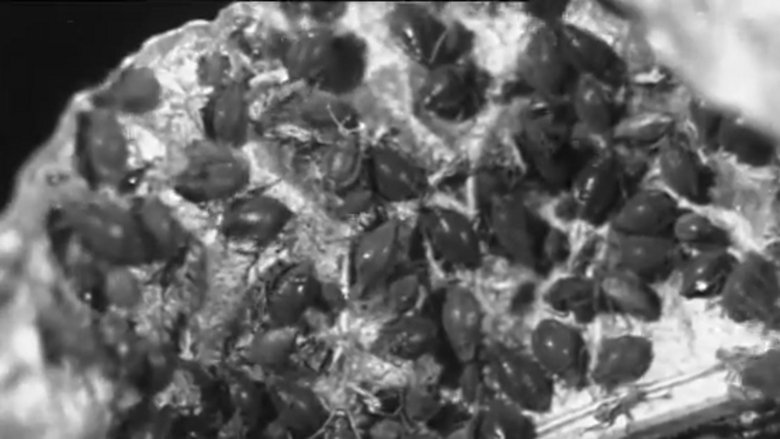


The Bittern
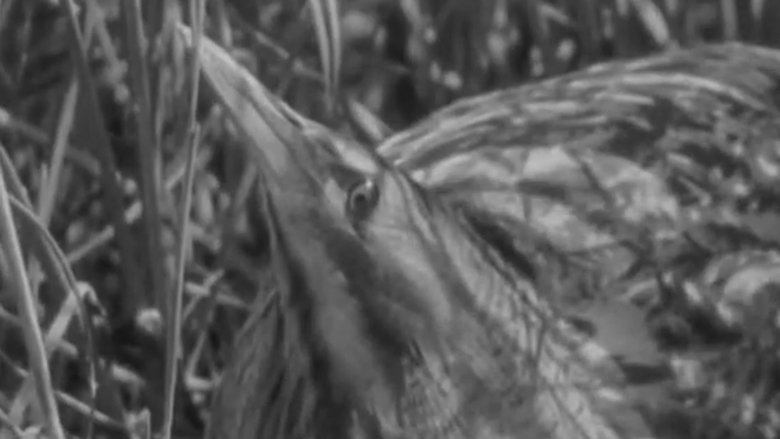
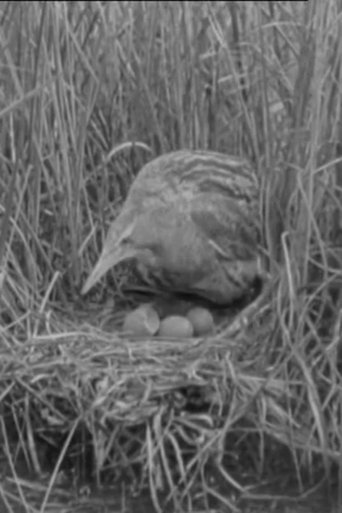
The breeding cycle of the bittern, the cryptically plumaged relative of the herons.
View Details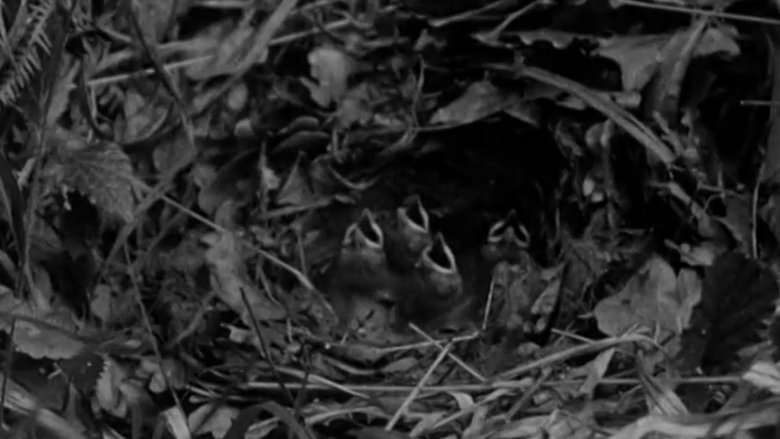
Nature's Double Lifters
Mary Field edits the time-lapse photography of F. Percy Smith to show the life cycle of ferns and related plants.
View Details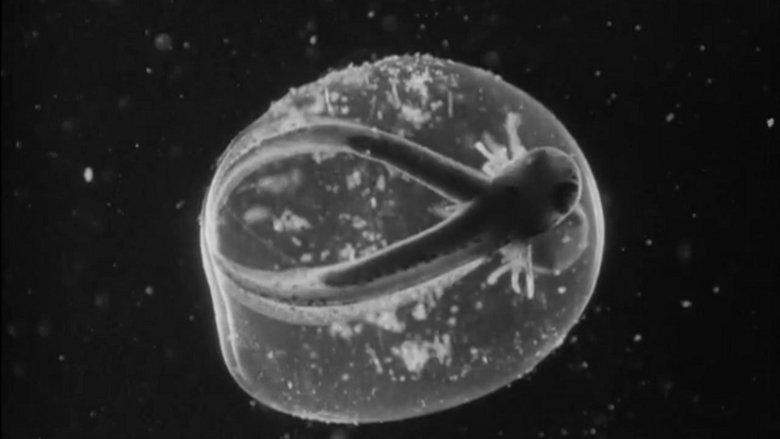

Romance in a Pond
Short, anthropomorphically-inclined documentary showing the life-cycle of the common newt.
View Details
Brewster's Magic
A short documentary study of hops, barley and yeast, and how they interact.
View Details