
北京人艺

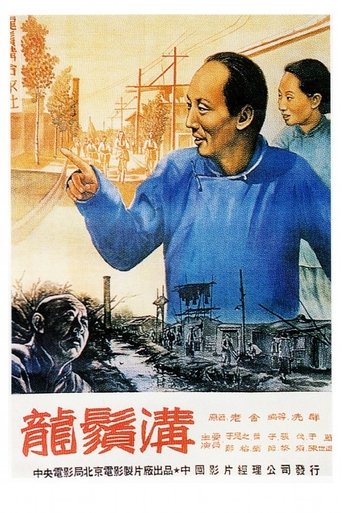
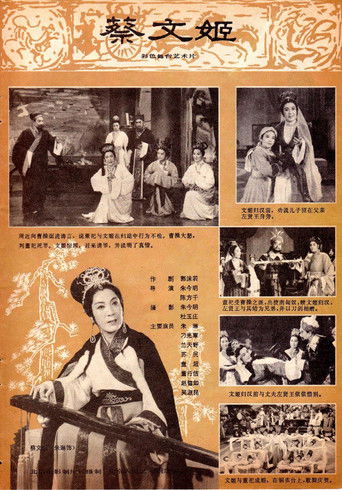
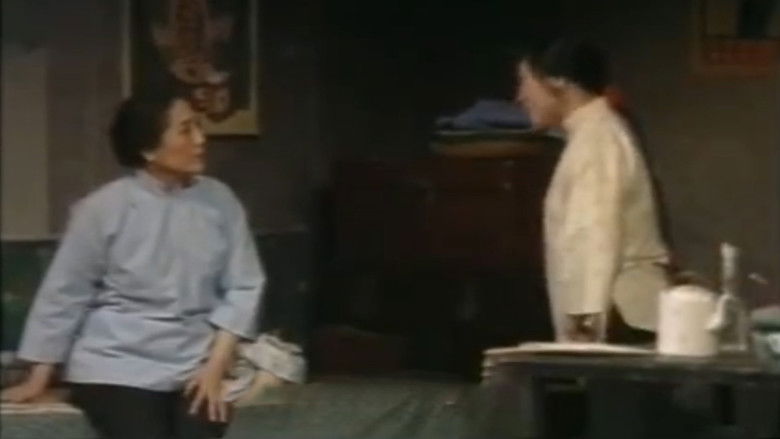

Teahouse
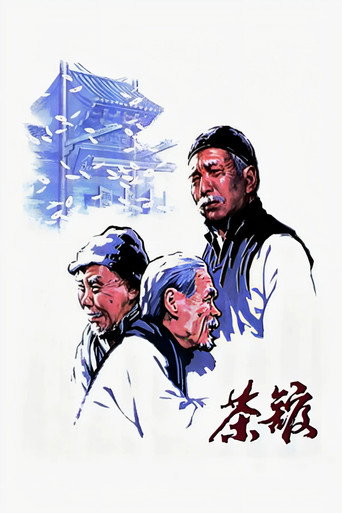
An old teahouse in Beijing serves as the stage for a drama that unfolds over several tumultuous decades of modern Chinese history, from the waning days of the Qing dynasty to the eve of the People's Republic.
View Details






Teahouse
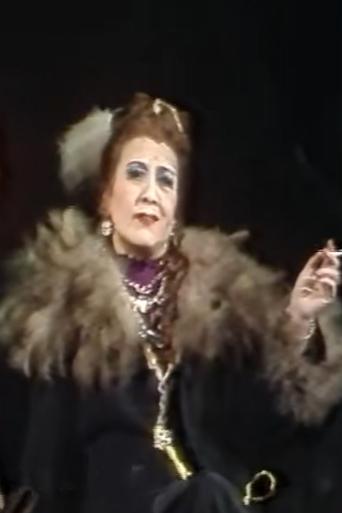
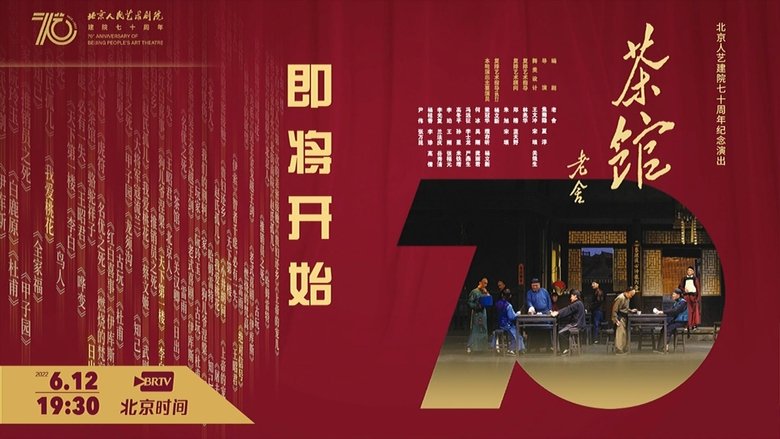
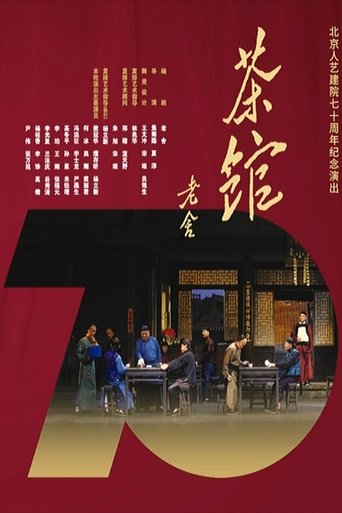
Teahouse, written by Lao She and co-directed by Jiao Juyin and Xia Chun, premiered in 1958 and has been staged more than 700 times at the Beijing People’s Art Theatre to date. It represents the highest achievement of New China’s spoken drama and has become the "treasure of the theatre" for BPAT. Embodying the artistic style of the Beijing People’s Art Theatre, Teahouse not only laid the foundation for its realist creative approach but also pioneered a distinct performing school of BPAT, making it a classic work in the nationalization of Chinese spoken drama.The cinematic theatre production Teahouse is a high-definition filmed version. An all-star cast including Liang Guanhua, Pu Cunxin, Yang Lixin, He Bing, Wu Gang, Gong Lijun and Feng Yuanzheng brings to life the rise and fall of the "Old Yutai Teahouse" over half a century. Retaining the authentic performing style, the film showcases the exquisite acting skills of these performing artists.
View Details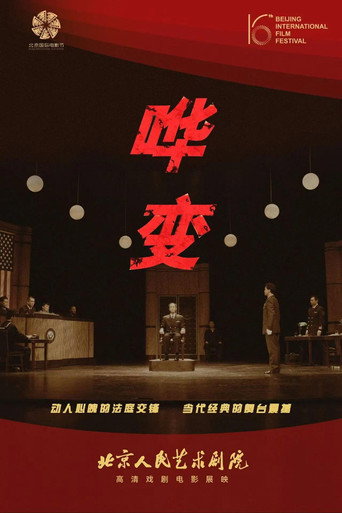
The Caine Mutiny Court-Martial
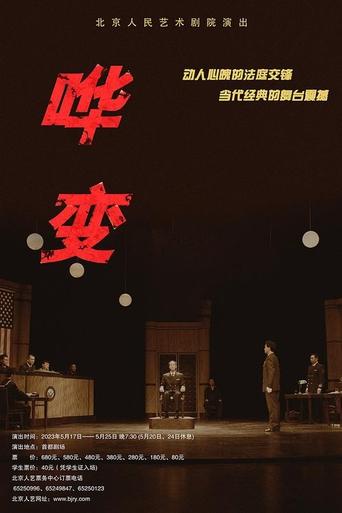
Adapted from the Pulitzer Prize-winning novel of the same name by Herman Wouk, The Caine Mutiny was brought to the stage of the Beijing People's Art Theatre in 1988, translated by Ying Ruocheng and directed by Charlton Heston. A play sustained entirely by dialogue, it is hailed as a model of "drama defined by speech". Powerful actors including Feng Yuanzheng, Wu Gang, Wang Gang and Wang Lei portray the heated verbal battles of the court-martial aboard the USS Caine. The film adaptation leverages the shift from stage space to cinematic perspective to present an intense confrontation waged with language as its weapon. Amid the trial, the complexity of human nature and the limits of truth are gradually laid bare, with a distinctive dramatic tension bursting forth beyond the stage.
View Details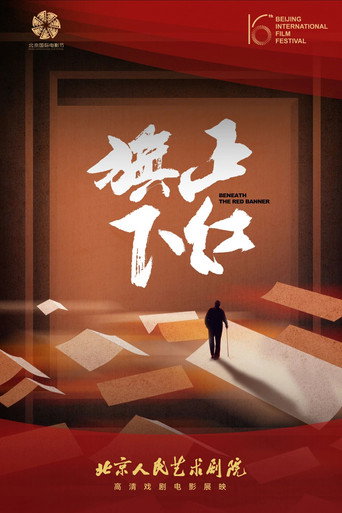
Beneath the Red Banner
As the Year of Gengzi arrives, drastic changes unfold one after another...Within the legacy of the Manchu banners, sheltered by their ancestors, they indulge day after day in bygone glories, helpless and resigned.At the foot of the imperial city, swept along in the torrent of history, they follow hesitantly, struggling to make choices that shape their lives.They embody the blood and tears of a nation’s past; they are the common folk immortalized in the writings of later generations.
View Details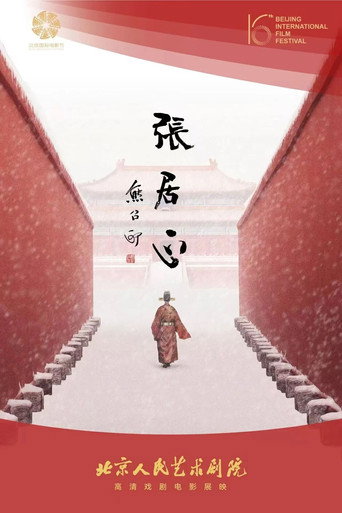
Zhang Juzheng
Zhang Juzheng, a play written by Xiong Zhaozheng, winner of the Mao Dun Literature Prize, and co-directed by Feng Yuanzheng and Yan Rui, adopts an alternating dual narrative of reality and unreality to depict the inner journey of Zhang Juzheng, grand secretary of the Ming Dynasty, during his reforms. From the mortal world to the wider realm, from the rivers and lakes to the imperial court, dramatic conflict runs throughout the work, which, amid echoes of history, inquires into the fate and aspirations of the reformer.On stage, three dragon thrones of different sizes and eight red pillars form a freehand stage design. The cinematic theatre production uses distinctive narrative shots to capture the cast’s delicate and precise performances, fully amplifying the stage audio-visual effects and creating a beauty of oriental artistic conception.
View Details